






Written by:
Last Updated:
January 20th, 2026
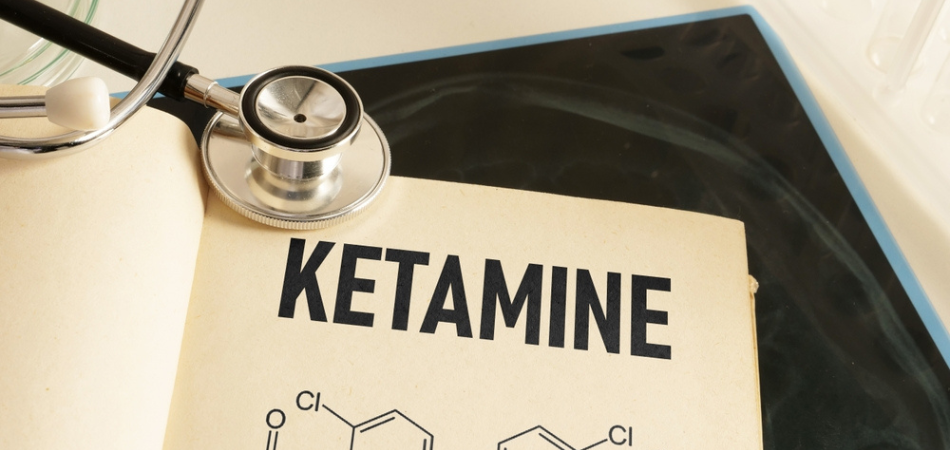
According to GovUK statistics, the number of people entering ketamine rehab treatment is now 8 times higher than it was just one decade ago. This stark increase may be reflecting how deeply the drug is embedding itself into youth culture, as more teenagers find themselves experimenting with it.
We explore what is driving ketamine use among young adults. We’ll highlight what younger people often aren’t told about its risks and how to recognise when recreational ketamine is becoming dangerous.
Why does it feel like ketamine is “everywhere” now?
In the past few years, we’ve seen an increasing amount of coverage on ketamine misuse and addiction. Major health bodies are beginning to sound the alarm on its increasing prevalence among young people, both in the UK and further afield.
A 2025 British Medical Journal report highlighted a noticeable rise in ketamine-related hospital admissions in the UK, describing the drug as an “emerging health concern” among people in their teens and twenties. This increase isn’t tied to just one region either; it’s happening nationwide.
Further research from the University of Hertfordshire paints an even darker picture. Their 2025 analysis found that ketamine-related deaths have increased twentyfold since 2014, with many cases involving people mixing ketamine with other substances. Researchers noted that the rise is steepest among young adults, reflecting broader shifts in recreational drug patterns.
Looking at some of the emerging research, it becomes clearer why ketamine feels so prevalent among younger people. What we may be witnessing is not a passing wave, but a consistently increasing trend among the youth of the country.
Why is ketamine use increasing among younger people specifically?
We can argue for a multitude of reasons why ketamine use has increased among young adults. As with so many trends, cultural and social factors are likely at play. The key reasons may include:
Despite recent large-scale police seizures of ketamine in England, production remains high. A wholesale purchase of a kilogram is believed to have dropped from £8,000 to £5,000. For young adults across the country struggling to earn a substantial income, ketamine becomes an appealing option for a temporary chemical escape.
These perceptions certainly can be misleading. The risks of harm and overdose from ketamine are as real as other drugs that are perceived as “more harmful.” We’re also seeing a clear increase in the number of drug-related deaths involving ketamine in the UK, too, whether that’s from taking large amounts of ketamine alone or polydrug taking.
The view of ketamine as a club drug has certainly shifted for many young people in the country. It could be that younger people are finding themselves with less disposable income, so a night at home taking ketamine is simply more affordable. We could also be seeing a growing number of young people with mental health problems turning to ketamine to escape reality. Either way, the past few years have seen ketamine enter more bedrooms and student halls, rather than the nightclubs of a city centre.
What are the effects of ketamine misuse?
Ketamine may not even require regular use for a person’s mental health and physical health to be impacted. A person could take ketamine once every few months, or once a year, and still feel depressed and dissociated for days after. For longer-term users and people dependent on the drug, ketamine withdrawal symptoms can become incredibly overwhelming.
The effects of ketamine misuse include:
Short-term effects of ketamine
In the short term, ketamine can disrupt the body’s basic regulatory systems, leading to a range of rapid-onset symptoms:
- Sudden rise in body temperature and sweating
- Slowed or shallow breathing
- Hallucinations or a profound experience of dissociation, called a “K-hole”
- Nausea and vomiting
- High blood pressure and an irregular heartbeat
- Tremors and muscle spasms
These symptoms can escalate quickly, especially when higher doses are taken.
Long-term effects
With repeated or heavy use, ketamine is likely to cause lasting damage to both your physical and mental health. These effects include:
- Severe bladder problems, frequent urination and increased risk of infection (ketamine-induced cystitis and ketbladder)
- Ongoing anxiety and recurring panic attacks
- Strain on major organs, including the liver
- Increasing detachment from reality and, in some cases, psychosis
- Depressive episodes and persistent low mood
Risk of overdose
A ketamine overdose can impair vital functions and become life-threatening. Warning signs include:
- Severe numbness or loss of physical control
- A dramatic slowing of movement or a complete inability to respond
- Dangerously slowed breathing
- Blackouts or slipping into a K-hole
- Loss of consciousness or coma
Without immediate medical help, an overdose can lead to permanent harm or even become fatal.
Where can I find help for an addiction in my life?
If you’re worried about how ketamine is affecting your life, please remember that you are not alone. Help may be closer than you think.
At UKAT, we specialise in ketamine addiction support tailored to the unique challenges younger people face today. Our rehab programmes for ketamine use medical detox, evidence-based therapies and ongoing aftercare, all within our comprehensive treatment pathway, to help you stabilise both your physical and mental health.
Here you’ll be met with complete understanding. Our team is ready for your call. Contact us today and take that first step towards the healthier future you deserve, free from the grips of addiction.
(Click here to see works cited)
- “Adult Substance Misuse Treatment Statistics 2023 to 2024: Report.” GOV.UK, www.gov.uk/government/statistics/substance-misuse-treatment-for-adults-statistics-2023-to-2024/adult-substance-misuse-treatment-statistics-2023-to-2024-report.
- Ahmed, Hannah. “Doctors Raise Concern over Rise in Recreational Ketamine Use – BMJ Group.” BMJ Group – Helping Doctors Make Better Decisions, 12 June 2025, bmjgroup.com/doctors-raise-concern-over-rise-in-recreational-ketamine-use/.
- Ketamine Deaths Increase Twenty-Fold since 2014 with Mixing Drugs on the Rise, New Herts Research Shows | about Us | Uni of Herts, www.herts.ac.uk/about-us/news-and-events/news/2025/ketamine-deaths-increase-twenty-fold-since-2014-with-mixing-drugs-on-the-rise,-new-herts-research-shows
- Hamilton, Ian. “Ketamine: What You Need to Know about the UK’s Growing Drug Problem.” The Conversation, 17 Mar. 2025, theconversation.com/ketamine-what-you-need-to-know-about-the-uks-growing-drug-problem-239412.
- “Home.” The Crown Prosecution Service, 24 Oct. 2025, www.cps.gov.uk/mersey-cheshire/news/man-jailed-following-biggest-haul-ketamine-uk.
- Mold A. Just say know: Drug education and its publics in 1980s Britain. Int J Drug Policy. 2021 Feb;88:103029. doi: 10.1016/j.drugpo.2020.103029. Epub 2020 Nov 20. PMID: 33227641; PMCID: PMC7116432.
- Pullen, Jade, et al. “Deaths Following Illicit Ketamine Use in England, Wales and Northern Ireland 1999–2024: An Update Report to Inform the Reclassification Debate.” Deaths Following Illicit Ketamine Use in England, Wales and Northern Ireland 1999–2024: An Update Report to Inform the Reclassification Debate. – Drugs and Alcohol, Sage, 29 Sept. 2025, www.drugsandalcohol.ie/44306/.
- 1 2023-2024 Monitoring Cycle. Trend Focus Ketamine GM Trends, gmtrends.mmu.ac.uk/wp-content/uploads/sites/425/2024/10/GM-TRENDS-2023-24-ketamine.pdf.
- “Mental Health Statistics UK: Young People.” YoungMinds, www.youngminds.org.uk/about-us/media-centre/mental-health-statistics/