






Written by:

Medically Reviewed by:
Last Updated:
July 15th, 2026
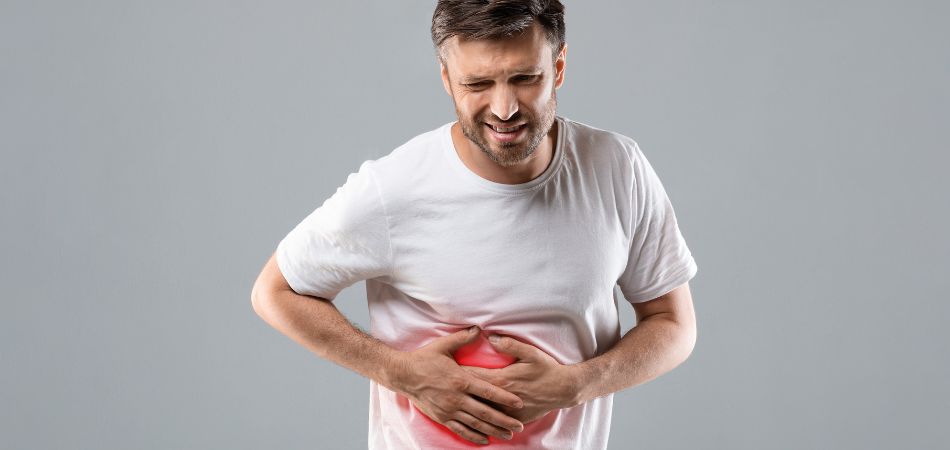
Your liver does more for you than almost any other organ. It filters your blood, breaks down toxins, stores energy, produces proteins that help your blood clot, and processes everything you eat and drink. It is remarkably resilient and can even repair itself after minor injury. But alcohol is one of the few things that can really wear your liver down, particularly when you have been drinking heavily for a long time. Knowing how alcohol harms the liver and how that harm builds up can help you spot the warning signs early and get the help you need.
How alcohol damages the liver
When you drink, your liver treats alcohol as its priority because your body has no way to store it. An enzyme in your liver breaks alcohol down into something called acetaldehyde, and then into acetate, and eventually just water and carbon dioxide. The problem is that acetaldehyde is toxic. Even brief exposure injures liver cells, and the more you drink, the more acetaldehyde builds up before your liver can clear it.
Heavy drinking also sets off another process called oxidative stress. The liver produces harmful molecules as a side effect of breaking down alcohol, and these molecules damage your cells. At the same time, alcohol throws off the balance of fats in the liver and causes inflammation that makes the injury worse. Research has found that oxidative stress and inflammation work together, creating a cycle that keeps damaging the liver even after you stop drinking.
The stages of alcohol-related liver disease
Alcoholic liver disease happens in gradual stages, and the earlier you catch it, the better your chances of recovery.
The first stage is fatty liver, also called steatosis. This happens when fat starts building up in your liver because it cannot process fat properly while it is also dealing with alcohol. Fatty liver affects more than 90% of people who drink heavily, and it usually causes no symptoms at all. In fact, most people have no idea that anything is wrong. The good news is that fatty liver is almost always reversible if you stop drinking, and the liver can usually return to normal within a few weeks.
If heavy drinking continues, some people develop alcoholic hepatitis. This is when your liver gets inflamed, and liver cells start to get damaged and die. Symptoms can be mild or very severe and may include fatigue, loss of appetite, nausea, abdominal pain, and jaundice, which is a yellowing of the skin and eyes. Mild cases can get better if you stop drinking, but severe cases can be life-threatening and may need hospital treatment.
The final stage is cirrhosis. This happens when years of damage leave so much scarring that the healthy liver tissue gets replaced by scar tissue that cannot do the liver’s job. The liver then becomes stiff and shrunken, so blood cannot flow through it properly. Cirrhosis usually takes years or even decades to develop, but once it has set in, the scarring is largely irreversible.
Cirrhosis symptoms and dangers
Cirrhosis fundamentally changes the way your liver works. The scar tissue blocks the normal flow of blood through the organ, causing pressure to build up in the veins that supply it. This is called portal hypertension, and it forces blood to find alternative routes. That can lead to swollen veins in your oesophagus and stomach that are prone to dangerous bleeding.
At the same time, your liver starts losing its ability to do the things it needs to do. It struggles to produce enough proteins to help blood clot properly, so even minor injuries may bleed excessively. Toxins like ammonia can also build up in your blood because the liver has difficulty clearing them, which can affect your brain function. The liver also struggles to regulate fluid balance in your body, which can lead to swelling in your abdomen and legs. Your body also becomes more vulnerable to infections as the liver loses its ability to fight them off.
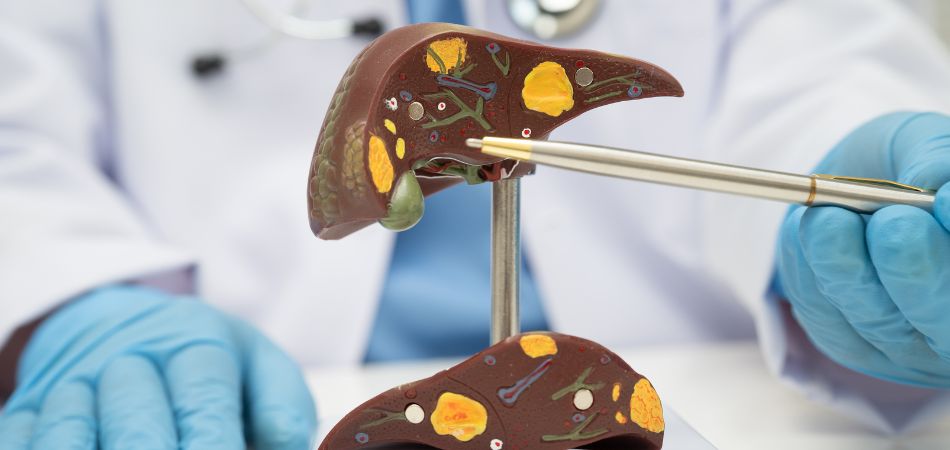
Recognising the signs of liver cirrhosis
Early cirrhosis often causes no obvious symptoms, which is why many people do not realise they have it until it is quite advanced. But as it progresses, cirrhosis symptoms become more noticeable.
Common signs include nausea, itchy skin without a rash, unexplained weight loss, loss of appetite, and constant fatigue that doesn’t get any better when you rest. Your skin and the whites of your eyes may start to have a yellow tinge because of jaundice, your urine may become darker, and your stools may become pale.
As cirrhosis advances, more serious symptoms appear. Fluid can build up in your abdomen and legs, causing swelling and discomfort. Small spider-shaped blood vessels may appear on your skin, particularly on the upper body. In men, breast tissue may enlarge, and testicles may shrink.
In later stages, toxins that the liver can no longer filter may affect your brain, causing confusion, memory problems, difficulty concentrating, and changes in personality. This condition is called hepatic encephalopathy, and it can progress to drowsiness and even a coma if you don’t get treatment.
Why cirrhosis can be life-threatening
Cirrhosis affects the whole body and can lead to several serious complications. Bleeding from swollen veins in the oesophagus or stomach can be sudden and severe. Fluid in the abdomen can become infected, causing a dangerous condition called spontaneous bacterial peritonitis. The kidneys can start to fail because the liver’s problems affect blood flow and pressure throughout the body. And people with cirrhosis are much more likely to develop liver cancer.
The link between alcohol and liver cirrhosis has become a serious public health concern in England, where deaths from alcohol-related liver disease have risen hugely in recent years. Research from 2024 found that cases of alcoholic liver disease in England went up by 65% between 2001 and 2018, and around 43% of people already had cirrhosis by the time doctors found it. There were 9,809 alcohol-specific deaths registered in England and Wales in 2024, many due to liver damage and disease.
Can liver damage be reversed?
The answer depends on how far the disease has progressed. Fatty liver can almost always be reversed if you stop drinking, and the liver can get back to normal fairly quickly. Alcoholic hepatitis can also improve significantly if you stop drinking, though severe cases may leave some lasting harm.
Cirrhosis is different, as the scarring itself is permanent, and the liver cannot regenerate the tissue it has lost. However, stopping drinking can prevent further injury and allow whatever healthy liver tissue remains to function as well as possible. This can reduce the risk of complications.
For people whose cirrhosis keeps getting worse even after they stop drinking, a liver transplant might be the only option. But transplants are not available to everyone, and the waiting lists on the NHS are long. The best approach is to act before cirrhosis develops at all.
Why stopping drinking matters
If you are worried about your drinking or have been told you have early signs of liver disease, the most important thing you can do is stop. The liver has an extraordinary capacity to heal, but only if you give it the chance. UKAT offers medically supervised alcohol detox programmes and ongoing alcohol rehab treatment and support to help you stop drinking safely and stay stopped. If alcohol is affecting your health, or you are worried about alcohol addiction, we can help you take back control before the harm becomes permanent.
(Click here to see works cited)
- Ambade, Aditya, and Pranoti Mandrekar. “Oxidative Stress and Inflammation: Essential Partners in Alcoholic Liver Disease.” International Journal of Hepatology, vol. 2012, 2012, article 853175, doi.org/10.1155/2012/853175.
- Askgaard, Gro, et al. “Population-Based Study of Alcohol-Related Liver Disease in England in 2001–2018: Influence of Socioeconomic Position.” The American Journal of Gastroenterology, vol. 119, no. 7, 2024, pp. 1337–45, doi.org/10.14309/ajg.0000000000002677.
- Osna, Natalia A., et al. “Alcoholic Liver Disease: Pathogenesis and Current Management.” Alcohol Research: Current Reviews, vol. 38, no. 2, 2017, pp. 147–61, doi.org/10.35946/arcr.v38.2.01.