





Written by:

Medically Reviewed by:
Last Updated:
August 11th, 2026
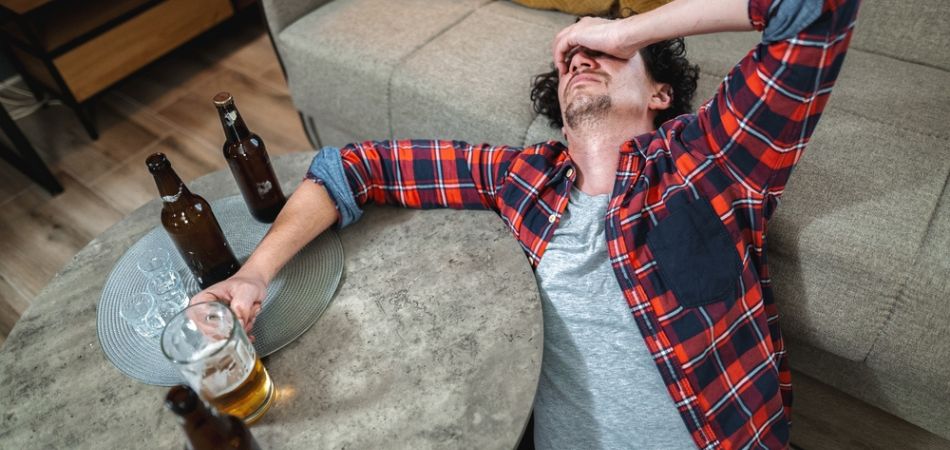
The psychological side of a hangover can be just as awful as the headache and nausea. Some people wake up the morning after drinking with a kind of dread that has no obvious cause, a sense that something is wrong even though nothing specific has happened. This is sometimes called hangxiety, and it can feel far more intense than just worrying about what you did the night before. There is a reason in brain chemistry why alcohol can produce anxiety the following morning, and understanding how it works may change how you think about drinking.
What alcohol does to your brain
Alcohol is a depressant, and it works mainly by boosting GABA, your brain’s main calming chemical. When GABA activity increases, your nervous system slows down, producing the warmth and ease that comes with those first drinks.
At the same time, alcohol dampens glutamate, your brain’s main alertness chemical. Glutamate normally keeps your nervous system active and alert, but dampening it increases alcohol’s sedating effects. This is part of why drinking can make you feel temporarily free from anxiety or social worry.
But your brain reads the extra GABA and the missing glutamate as something wrong and tries to correct it, turning down its sensitivity to GABA and turning up its sensitivity to glutamate. While you are still drinking, these corrections are hidden by the alcohol itself. When the alcohol clears, you are left with a nervous system that is more reactive than usual, more alert to threat, and more prone to anxiety.
This is the brain chemistry behind hangxiety. The calm that alcohol temporarily created has been replaced, through the brain’s own attempt to rebalance, with the exact opposite effects.
How cortisol makes this worse
On top of the GABA and glutamate rebound, your body treats a hangover as a physical stress. Cortisol, the primary stress hormone, rises during a hangover as your body responds to dehydration, disrupted sleep, inflammation, and the work of breaking alcohol down.
When cortisol is high, anxiety and dread follow, even when nothing specific has actually happened. It is an anxiety that feels rooted in your body but hard to pin down mentally. Some people become jumpy or get socially anxious, even though they don’t really have any anxious thoughts.
Why some people experience hangxiety more severely
Hangxiety does not affect everyone equally. A 2019 study found that highly shy people are more likely to experience severe hangxiety the morning after drinking than their less shy counterparts.
Among the 97 social drinkers in that study, alcohol slightly reduced anxiety during the evening for the shy ones, giving them at least a temporary sense of ease. The following morning, those same participants showed a clear increase in anxiety, and this was also linked to higher scores on AUDIT, a test used to spot signs of problem drinking.
The reason is that people who use alcohol specifically to manage social anxiety lean on it harder, so the rebound hits them harder when it wears off. The more the alcohol was doing to suppress anxiety in the evening, the more pronounced the correction in the morning.
People with existing anxiety disorders experience the same thing, but worse. Their nervous systems are already running higher than normal, and the rebound after drinking is made worse by that existing sensitivity. The result can be hangxiety that is incredibly severe rather than just unpleasant. Studies consistently find that between one in five and two in five people with anxiety disorders also have an alcohol use disorder, with the two conditions feeding each other.
Sleep quality can also play a role. Alcohol disrupts REM sleep, the phase that matters most for processing emotions. Poor quality sleep after drinking means you go into the next day without the emotional reset that normally takes the edge off anxiety.
The self-medication trap
For the people most vulnerable to hangxiety, it can be part of a cycle that feeds itself and can drive alcohol dependency and addiction.
The cycle usually works like this. Someone whose anxiety is already high drinks to feel at ease, the alcohol works, the anxiety recedes, and the connection between drinking and feeling better becomes clearly established.
The following morning, hangxiety arrives, and the anxiety is worse than it was before drinking. The fastest apparent relief is another drink, or if not drinking immediately, the knowledge that drinking will help later, and the anticipation of that relief is itself a driver of craving.
The NHS Adult Psychiatric Morbidity Survey 2023/4 found that alcohol problems and mental health conditions, including anxiety, turn up together constantly. What starts as using alcohol to manage anxiety gradually becomes drinking because you have to. As you get more tolerant and more dependent on alcohol, you need more to get the same relief, and the anxiety between drinking sessions gets worse as the brain keeps getting knocked off balance. This is a major stepping stone to alcohol addiction.
Recognising hangxiety
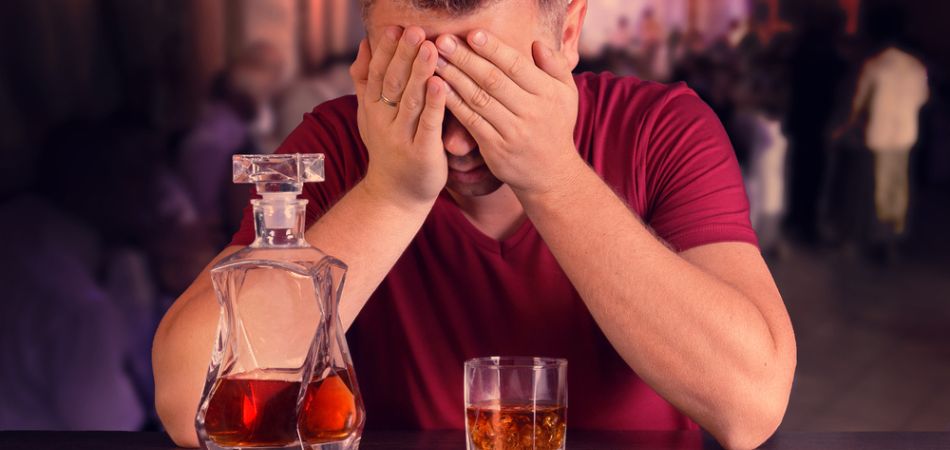
It is important to understand the difference between hangxiety and ordinary morning-after discomfort. A standard hangover is physical, involving headache, nausea, fatigue, and sensitivity to light and sound. Hangxiety is psychological. It tends to involve a pervasive sense of dread, recurring thoughts about the previous evening, exaggerated worry about things said or done, and a feeling that something is wrong even when nothing identifiable is.
This usually starts as alcohol leaves your system and peaks several hours into the hangover. For most people, it resolves within a day. For people with pre-existing anxiety or a pattern of heavy drinking, it can last longer and be more severe.
If you are already in treatment for anxiety and noticing that your symptoms reliably worsen the day after drinking, it is worth raising with whoever is supporting you.
Making more informed choices about drinking
Knowing why hangxiety happens gives you more practical tools and decisions than simply being told to drink less.
Eating before and during drinking slows how quickly alcohol gets into your bloodstream and reduces how high your blood alcohol goes, which is what your brain has to correct for. A lower peak means a softer landing the next morning, and the difference between drinking on an empty stomach and drinking with food can be significant.
Pacing matters for the same reason. Drinking quickly disrupts your brain chemistry more sharply than the same quantity consumed gradually. Matching each alcoholic drink with a glass of water reduces dehydration, which pushes cortisol up the following morning on its own.
Spirits produce hangxiety more reliably than lower-strength drinks for the same amount of alcohol, partly because of congeners, byproducts of fermentation that build up more in darker spirits and that intensify hangover symptoms in general.
If you already have an anxiety disorder, drinking when your anxiety is already elevated is likely to worsen hangxiety the following day. Alcohol may feel like the most accessible solution in that moment, but the cost comes the next morning.
What the pattern tells you about your drinking
Occasional hangxiety after a heavy night is common and does not usually mean anything is wrong. But the pattern that should be a concern is drinking regularly to manage anxiety, needing more to achieve the same effect, and finding that your anxiety on days when you have not drunk has got worse than when drinking began.
If drinking has become entangled with managing your mental health, or if the anxiety you are experiencing is affecting your daily life, UKAT offers advice, support, and treatment for alcohol addiction. Our alcohol detox and rehab programmes can help you quit drinking safely, can have major benefits for anxiety symptoms, and can help you cope with co-occurring mental health difficulties. You can contact us at any time to talk through your situation.
(Click here to see works cited)
- Castillo-Carniglia, Alvaro, et al. “Psychiatric Comorbidities in Alcohol Use Disorder.” The Lancet Psychiatry, vol. 6, no. 12, 2019, pp. 1068–1080. https://doi.org/10.1016/S2215-0366(19)30222-6.
- Marsh, Beth, et al. “Shyness, Alcohol Use Disorders and ‘Hangxiety’: A Naturalistic Study of Social Drinkers.” Personality and Individual Differences, vol. 139, 2019, pp. 13–18. https://doi.org/10.1016/j.paid.2018.10.034.
- Morris, Sarah, et al., editors. Adult Psychiatric Morbidity Survey: Survey of Mental Health and Wellbeing, England, 2023/4. NHS England, 2025. https://digital.nhs.uk/data-and-information/publications/statistical/adult-psychiatric-morbidity-survey/survey-of-mental-health-and-wellbeing-england-2023-24.