





Last Updated:
February 16th, 2026

A crush, a breakup or a falling-out with a friend may seem minor to those on the outside. Yet the silent, internal damage we feel can be seismic. It could be the catalyst for turning towards unhealthy coping mechanisms, especially when the emotions are new.
If your mental health is struggling after the end of a friendship or relationship, we’re here to help you make sense of what you’re feeling, so you can regain control and clarity.
How relationships drive our emotions
The people we feel closest to often have the greatest influence over the way we feel. Our pathos, or our emotions, are often driven through the landscape of those we have a connection to.
That could be a crush on someone who isn’t aware of our feelings or a person we have mutually and deeply committed to for years. It even extends to long-standing and platonic friendships. Our connections to these people can become wellsprings of healing, or they can unsettle us when the relationship is damaged.
Our relationships tap into the core human needs of belonging, safety and acceptance. Understanding how relationships shape our emotional world is an important part of maintaining young adult mental wellbeing, especially during periods of rapid change or uncertainty.
Emotions from severed friendships
When we’re going through tough times, and the whole world feels like it’s caving in, our friendships and platonic relationships can stand as the emotional architecture that keeps us safe. Friends bring us the essential need for social connection. A good friend makes you feel understood to the point of not even having to fully explain yourself. They just get us.
Modern research is helping us understand how losing a close friend actually has chemical effects on the brain. Fascinating psychological studies show how the emotional pain of a broken friendship triggers the same areas active during actual, physical injury, which are the anterior insula and the anterior cingulate cortex. These regions can be activated when people are rejected by their social circle or lose very close friends.
In further research, it has been found that losing a friend can lead to something called ambiguous grief, which is the sadness of losing someone who’s still alive, but no longer emotionally present. This kind of friendship drama stress can quietly erode emotional stability, leaving many people unsure how to process their pain or rebuild trust.
Emotions from romantic relationships
Separately from platonic relationships, our romantic relationships are key drivers of our emotions. The link between crushes and mental health can activate some of the most powerful emotional systems of the brain.
Your mind can actually feel threatened when breaking up with a romantic partner, so your brain responds by activating strong threat-detection systems quickly. Because romantic partners have been our long-standing, primary source of validation and safety, tensions within the relationship can hurt us in multiple ways. It could destabilise our mood, disrupt sleep, intensify overthinking and shake our sense of self-worth.
Our romantic bonds deepen our emotional world, but as the peaks grow higher, so do the plummeting lows, whenever we head there. It is sometimes the case that younger people who haven’t been through many relationships find new emotions overwhelming. These emotional peaks and troughs make teenage mental health support one of the most important services for younger people. Breakups can be painful enough to drive young people to drug experimentation and eventually drug addiction, even when they are otherwise resilient young adults.
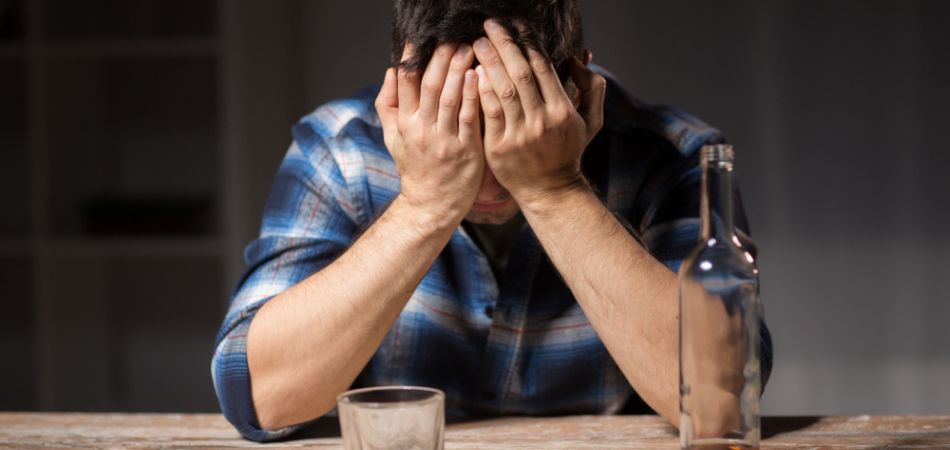
How do these intense emotions bleed into mental health?
When crushes, conflict or heartbreak unsettle us, we feel the emotions spilling into our overall wellbeing. Relationship problems are an often-overlooked driver of mental health and addiction problems. Some of the most common ways intense relationship stress begins to shape mental health are:
- Anxiety and overthinking loops: Ruminating over what someone meant, replaying conversations and imagining worst-case scenarios can trap the mind in constant hypervigilance.
- Exhaustion from mood swings: High emotional peaks followed by sudden lows strain the nervous system, leaving you feeling unfocused and emotionally drained.
- Eroded self-esteem and negative self-talk: Rejection or conflict can activate deep insecurities, shifting your inner voice towards criticism, self-blame or feelings of inadequacy.
- Physical symptoms in the body: As you go through a breakup or friendship loss, physical symptoms can form in the body. Stress hormones will rise, which can lead to headaches, loss of appetite, disrupted sleep and difficulty concentrating.
When emotional pain leads to risky coping mechanisms
When emotions become overpowering, it is almost second nature for us to reach for something, anything, that promises quick relief. Doing so can feel soothing in the moment, but more often than not, it eventually causes deeper emotional and physical harm. Common risky coping mechanisms include:
- Using alcohol to numb distress
- Escaping through binge-eating or restrictive eating patterns
- Compulsive scrolling, gaming or other forms of online escapism
- Rebound relationships or unsafe sexual behaviour
- Overworking leading to burnout
- Self-harm
If you notice your distress is building and you don’t have a healthy outlet, it’s important to take proactive measures that support your well-being. With healthier coping tools and the right support, you can break away from the destructive behaviours keeping you stuck in a cycle of pain.
How can I cope when my feelings become overwhelming?
When emotions reach a boiling point, you might feel as though you’re losing control of your own mind and body. Remember that you are only human, and this isn’t a personal failure. Coping with breakups in relationships or friendships is never easy. Try some of the following steps if you’re going through a difficult time after a relationship has ended:
Where can I get help with addiction and mental health?
If overwhelming emotions are pushing you towards harmful coping mechanisms, you don’t have to go through it alone. Heartbreak, friendship loss and emotional upheaval can shake the strongest person, but the right support can steady the ground beneath you again.
At UKAT, we provide compassionate, evidence-based treatment for both addiction and mental health struggles. You might be turning to substances to numb the pain or finding it hard to cope day to day. Our therapists and medical teams are here to guide you back to better days.
Please reach out to us. A single conversation could be the first step toward feeling safe, supported and back in control of your life.
(Click here to see works cited)
- “Emotional and Physical Pain Activate Similar Brain Regions.” Psychology Today, Sussex Publishers, www.psychologytoday.com/us/blog/body-sense/201204/emotional-and-physical-pain-activate-similar-brain-regions.
- “What Is Ambiguous Grief and How to Begin Healing.” Psychology Today, Sussex Publishers, www.psychologytoday.com/us/blog/soulbroken/202305/what-is-ambiguous-grief-and-how-to-begin-healing
- Peter Grinspoon, MD. “How to Recognize and Tame Your Cognitive Distortions.” Harvard Health, 4 May 2022, www.health.harvard.edu/blog/how-to-recognize-and-tame-your-cognitive-distortions-202205042738.
- “Rejection Sensitivity.” Psychology Today, Sussex Publishers, www.psychologytoday.com/us/basics/rejection-sensitivity