




Last Updated:
August 31st, 2026
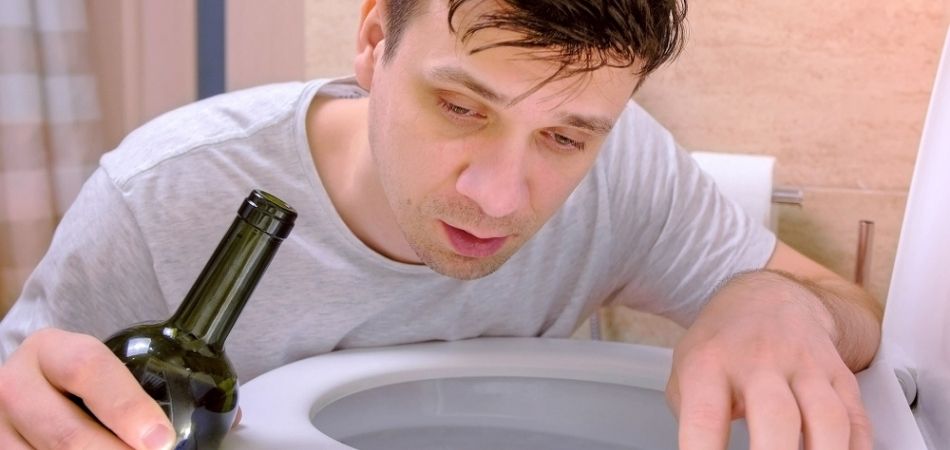
In 2023, more than 5,500 people in England and Wales died from drug poisoning, the highest number since records began. Behind each of those figures is a moment where things tipped from use into emergency, faster than anyone expected and somewhere help could have arrived in time.
That speed is the reason this page exists as an overdose can move from the first warning sign to something life-threatening in minutes. Knowing what to look for and what to do can be the difference between death and a recovery.
What an overdose actually is
An overdose happens when the amount of a substance in the body overwhelms what it can safely handle. The body’s systems, especially the ones controlling breathing and heart rate, stop working as they should.
It doesn’t always take a large amount and it doesn’t always involve a single drug. Many overdoses happen when substances are combined, because the effects stack in ways the body can’t cope with. Mixing drugs with alcohol or prescription medication is a common factor and so is a change in tolerance, where the amount someone once handled is no longer safe for them.
That last point catches a lot of people out and it’s worth understanding properly.
Why tolerance is the hidden danger
Tolerance is the body’s adaptation to a substance and if you use something regularly, the body adjusts, needing more to reach the same effect. The risk comes when that tolerance drops and after a period of not using, the tolerance falls quickly. The danger is that someone returning to use reaches for the dose they took before, the one their body was used to. That amount can now be far more than their reduced tolerance can handle.
This is why overdose risk is at its highest in the period just after attempted recovery. It’s a cruel feature of addiction that the point of trying to stop can become one of the most dangerous moments of all and it’s a major reason relapse needs to be taken so seriously.
The substances most commonly involved
Different substances cause an overdose in different ways and knowing which is which helps you understand what you’re seeing.
What raises the risk of an overdose?
Some circumstances make an overdose far more likely and recognising them is part of staying safe.
- A drop in tolerance
As covered above, the period after detox, a prison release or any spell of reduced use is the highest-risk window there is.
- Unpredictable purity
Street drugs vary enormously in strength and there’s no way to know the potency of a given batch. A dose that was survivable last time can be far stronger this time.
- Mixing substances
Combining drugs or taking them with alcohol or medication, raises the risk sharply and unpredictably.
- Using alone
Using alone is a serious risk factor. If something goes wrong and no one is there, there’s no one to call for help or to act while it still matters. Many overdose deaths happen not because nothing could be done but because no one was present to do it.
The warning signs of an overdose
Knowing what an overdose looks like means you can act fast. The signs vary by substance but the ones below are the ones to act on immediately:
- Slow or stopped breathing
- Unconsciousness
- Blue or pale lips or skin
- Deep confusion
- Seizures
If you see any of these, call 999 straight away and ask for an ambulance. Don’t wait to see if things improve on their own and don’t assume sleeping it off is safe. Tell the call handler what’s been taken if you know, stay with the person and follow the instructions you’re given until help arrives.
How overdoses can be prevented
An overdose is not an inevitable outcome of substance use and a lot can be done to reduce the risk.
In the UK it’s available without a prescription through drug services and it can be carried by anyone likely to witness an overdose. Its effect is short-lived, so calling 999 remains essential even after it’s given.
A professional drug or alcohol detox in particular means the dangerous post-abstinence window is managed by people who understand it, rather than faced alone.
Where you can get help
If you’re worried about your own use or someone else’s, the most useful thing you can do is talk to someone who can help you understand the options.
Your GP can be a starting point and local drug services can be approached directly. If you’d prefer to talk through structured treatment, including a safe, supported way through the risky period after stopping, you can speak to us directly.
How UKAT can help
If anything on this page has worried you, whether about yourself or someone you care about, UKAT can help.
We provide treatment for drug addictions and alcohol rehab programmes across the UK, including detox and the structured support that makes the period after stopping safer rather than more dangerous. Therapy and aftercare are built in, because lasting recovery is what removes the risk at its source.
You don’t need to have anything worked out before you get in touch. Contact UKAT today for a confidential conversation, with no pressure and no obligation.
(Click here to see works cited)
- ONS. (2025, October 16). Deaths related to drug poisoning in England and Wales. Ons.gov.uk; Office for National Statistics. https://www.ons.gov.uk/peoplepopulationandcommunity/birthsdeathsandmarriages/deaths/bulletins/deathsrelatedtodrugpoisoninginenglandandwales/2024registrations
- Department of Health and Social Care. (2025, April 23). Supplying take home naloxone without a prescription. GOV.UK. https://www.gov.uk/guidance/supplying-take-home-naloxone-without-a-prescription