






Written by:

Medically Reviewed by:
Last Updated:
July 15th, 2026
What is mirtazapine?
Mirtazapine is a potentially addictive antidepressant prescribed to treat moderate to severe depression. It belongs to a class of medications called NaSSAs (noradrenergic and specific serotonergic antidepressants), which work by increasing the levels of serotonin and noradrenaline in the brain.
What sets mirtazapine apart from other antidepressants is its sedative and appetite-stimulating effects. It blocks histamine receptors in the brain, which produces a calming, drowsy effect that can be genuinely helpful for people who can’t sleep or have lost interest in eating. Because of this, it’s sometimes prescribed off-label for insomnia and anxiety, even in people who don’t have a formal depression diagnosis.
That sedative profile is important to understand, because it’s the foundation of why mixing mirtazapine with alcohol becomes a problem.
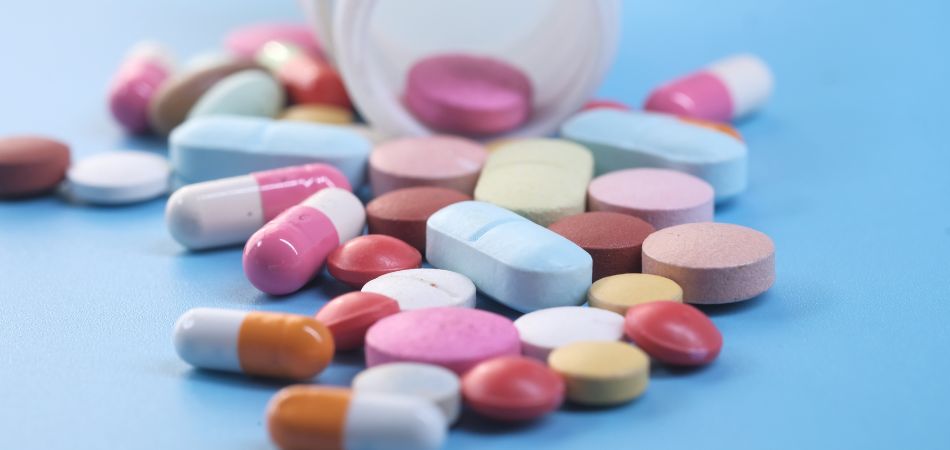
Why mixing mirtazapine and alcohol is dangerous
Mirtazapine slows down activity in the central nervous system, while alcohol does the same thing. When you combine the two, those effects compound each other, producing a level of sedation that can be stronger than either substance would cause on its own.
This is why the NHS advises caution with alcohol while taking any antidepressant but mirtazapine specifically carries a risk because of how sedating it already is. Even small amounts of alcohol can amplify the drowsiness, leaving you feeling heavily sedated or dizzy.
The combination can also affect your breathing because both substances relax the muscles and slow respiratory function. While this is unlikely to be dangerous at low doses in an otherwise healthy person, it becomes a real concern if you drink heavily or have any pre-existing breathing condition.
Beyond the immediate physical risks, there’s a more fundamental problem in that alcohol works directly against what mirtazapine is trying to do. You’ve been prescribed this medication to stabilise your mood, help you sleep or both and alcohol undermines that on every level.
How alcohol affects mirtazapine and your mental health
Alcohol might feel like it takes the edge off a bad day but what it actually does is suppress your central nervous system in a way that mimics relief without providing any. The relaxation you feel while drinking is temporary and what follows is a neurochemical low that can leave you feeling worse than you did before you picked up the glass.
For someone already dealing with depression, adding alcohol into your day-to-day isn’t something you want to be doing. The low mood that follows drinking can feel like the depression worsening, which might lead you to lean harder on your medication or drink more to compensate. Neither response addresses the underlying problem and together they can stall the progress that mirtazapine is designed to support.
It’s also worth noting how alcohol affects sleeping. Drinking alcohol disrupts REM sleep and fragments the second half of the night, meaning even though you might fall asleep faster, the quality of that sleep is poor. If mirtazapine has been prescribed partly for its sleep benefits, drinking alongside it effectively cancels out one of the key reasons you’re taking it.
Why people mix mirtazapine and alcohol
Before we start, it’s important to know that this section isn’t meant to be finger-wagging, telling you how bad people are who mix the two. In fact, a lot of people who end up mixing mirtazapine and alcohol aren’t doing it recklessly by any means.
Below, we discuss some of the real reasons as to why it happens:
- Social life: Turning down a drink at a work event or a family gathering can feel awkward, especially if you’d rather not explain why. It can feel easier to have one or two and hope for the best than to have a conversation about your medication.
- Unclear medical advice: The mixing sometimes happens because the risks weren’t clearly explained when the medication was prescribed. A brief mention of “be careful with alcohol” during a ten-minute GP appointment doesn’t always land the way it needs to. If you’ve been told to be cautious but not told exactly why, it’s easy to assume that occasional drinking is probably fine.
- Emotional self-medication: If you’re taking mirtazapine for depression and you’re still struggling, alcohol can feel like the fastest way to deal with that difficulty. That instinct makes complete sense, even if the outcome works against you. Self-medicating with alcohol when you’re already on an antidepressant is more common than most people realise and it doesn’t mean you’ve done anything wrong. It means the support you’re getting might need to be broader than medication alone.
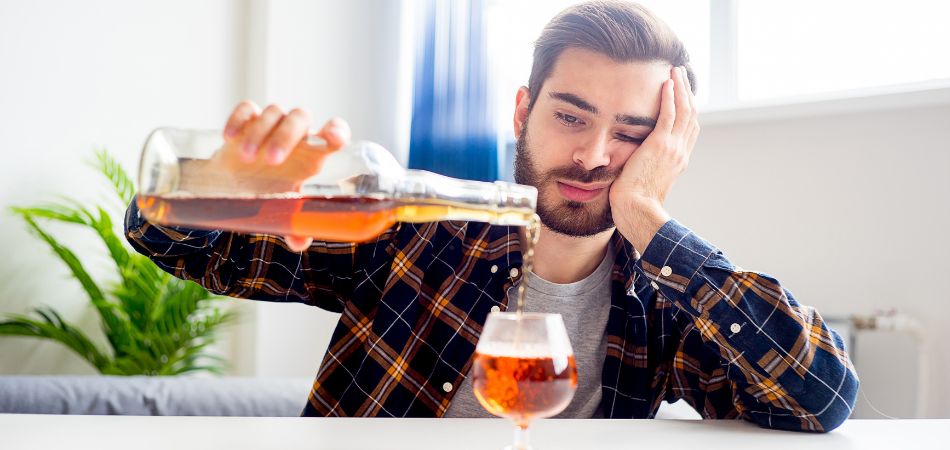
What to do if you’ve mixed mirtazapine and alcohol
If you’ve already had a drink while taking mirtazapine, the most important thing is to stay calm. At prescribed doses with moderate alcohol intake, the effects are unlikely to be life-threatening but they can be uncomfortable and you’ll want to manage them sensibly.
Here are some points to take on board if you’ve mixed the two:
- Stop drinking straight away and switch to water.
- Sit or lie down somewhere safe, particularly if you’re feeling dizzy or unsteady.
- Don’t drive, don’t operate anything that requires concentration
- Let someone nearby know what’s happened so they can keep an eye on you.
- Watch for anything that feels more severe than standard drowsiness.
If you experience difficulty breathing, extreme confusion, a rapid heartbeat or you can’t stay awake, contact NHS 111 for guidance or call 999 if the symptoms feel serious.
These situations are rare at normal doses but they’re worth being aware of.
When drinking becomes part of the problem
If this isn’t the first time you’ve mixed mirtazapine and alcohol and particularly if you’ve done it knowing the risks, it’s worth asking yourself what’s driving the pattern. Occasional misjudgement is one thing but repeated drinking despite knowing it’s interfering with your medication and your mental health is something different.
You might have noticed that alcohol has started to feel less like a choice and more like a default. Perhaps it’s the case that you reach for it on difficult evenings without really deciding to or the idea of going without it for a sustained period feels harder than it should. None of this means you’ve reached a crisis point but it does suggest that your relationship with alcohol might deserve more attention than it’s currently getting.
If alcohol has become tangled up with how you manage your mood, your sleep or your stress, addressing that alongside your mental health treatment is likely to produce better outcomes than trying to manage one without looking at the other.
How UKAT can help
At UKAT, we work with people who are dealing with alcohol abuse alongside mental health conditions like depression. We understand that the two are connected and that treating one without acknowledging the other rarely leads to lasting progress.
Our programmes include alcohol detox to manage withdrawal safely, followed by structured therapy that addresses both the drinking and the emotional patterns underneath it. Once treatment ends, our aftercare programme provides ongoing support as you adjust to life without alcohol as a coping mechanism.
If you’re concerned about your drinking and you’re taking mirtazapine or any other medication for your mental health, contact UKAT for a confidential conversation. We can help you work out what your next step should be.
(Click here to see works cited)
- NHS. About mirtazapine. https://www.nhs.uk/medicines/mirtazapine/about-mirtazapine/
- Jilani, T. N., et al. (2024). Mirtazapine. In: StatPearls. StatPearls Publishing. https://www.ncbi.nlm.nih.gov/books/NBK519059/
- NHS. Cautions — Antidepressants. https://www.nhs.uk/mental-health/talking-therapies-medicine-treatments/medicines-and-psychiatry/antidepressants/considerations/
- Colrain, I. M., Nicholas, C. L., & Baker, F. C. (2014). Alcohol and the sleeping brain. Handbook of Clinical Neurology, 125, 415–431. https://pmc.ncbi.nlm.nih.gov/articles/PMC5821259/
- NHS. Side effects of mirtazapine. https://www.nhs.uk/medicines/mirtazapine/side-effects-of-mirtazapine/