






Written by:
Last Updated:
March 2nd, 2026
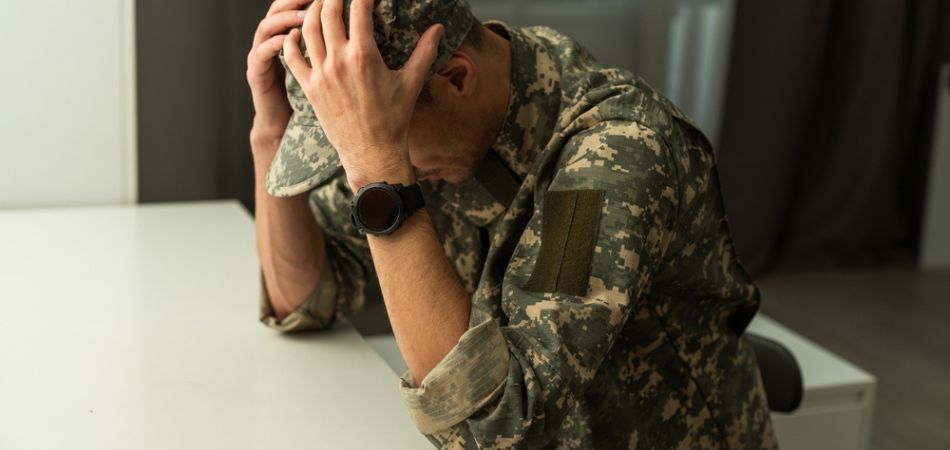
When soldiers returned from the First World War trenches, constantly trembling and unable to speak, doctors called it shell shock. The nightmares and anxiety among Second World War troops were called combat fatigue. When veterans of the American war in Vietnam struggled with flashbacks and nightmares, their stories helped give the condition a name that finally stuck: post-traumatic stress disorder.
But while we have always associated psychological trauma with combat, PTSD affects far more people than those who have seen a battlefield. Around 4–6% of the general adult population will experience PTSD at some point, and without proper treatment and support, it can ruin lives.
What is PTSD?
Post-traumatic stress disorder is a mental health condition that can develop after experiencing or witnessing something terrifying or life-threatening. In early cases of what we now understand to be PTSD, soldiers in the First World War who were overwhelmed by symptoms were sometimes accused of cowardice. But PTSD is not about being weak or scared.
When something traumatic happens, the brain’s alarm system activates to help you survive. For most people, this system gradually calms down once the danger has passed. But for some, the alarm keeps sounding, and the brain continues to react as if the threat is still there, even months or years later.
Not everyone who experiences trauma develops PTSD. Research suggests that while over 60% of adults will experience at least one traumatic event in their lifetime, only a fraction go on to develop the disorder.
Why the military connection exists
Combat is one of the most extreme forms of trauma a person can experience, and military research drove much of our early understanding of the condition. Over 250,000 British soldiers alone were affected by ‘shell shock’ after the First World War, and some were even executed for supposed cowardice.
These misconceptions continued over the following decades, leaving many ex-servicemen and women without the help needed. However, the brave advocacy of American veterans returning from the Vietnam War played a significant role in PTSD being officially added to the Diagnostic and Statistical Manual of Mental Disorders in 1980.
Studies now suggest that between 7% and 29% of US veterans experience PTSD in their lifetime, with particularly high rates seen among those who served in Iraq and Afghanistan. In the UK, research published in the British Journal of Psychiatry estimates the rate among veterans of all conflicts to be around 7.4%, compared to 4% in the general population.
However, this visibility of PTSD in military veterans has potentially created an unintended side effect. People who have not served often fail to recognise their own symptoms as PTSD because they haven’t experienced something as seemingly dramatic as war. What matters is how the experience affected you, not how it compares to anyone else’s.
The causes beyond combat
PTSD can develop from many different experiences, which can affect people in profound but often hidden ways. Some of the biggest causes of PTSD beyond combat include:
- Childhood abuse or neglect
- Domestic violence
- Sexual assault
- Serious accidents
- Sudden bereavement
- Medical trauma
- Witnessing violence or death
Research consistently shows that sexual violence carries some of the highest risks for developing PTSD. One large review of research found that 75% of survivors of sexual assault experienced PTSD in the first month, and approximately 40% were still experiencing symptoms a year later.
Recently, there have been numerous accounts of people becoming traumatised by content they have seen online. In 2020, Facebook paid $52 million to settle claims from content moderators who developed PTSD after reviewing graphic material for the platform.
The common thread of PTSD is not the specific event, but how overwhelming it felt at the time and whether the brain could process it afterwards. That is why someone who survived a car crash can have the same condition as someone who survived a warzone.
Recognising PTSD symptoms
PTSD symptoms generally fall into four categories, though everyone may experience them a little differently:
Why PTSD can be hard to recognise
There are several reasons why people sometimes fail to connect their current struggles with PTSD.
Symptoms can appear months or even years after the trauma, and some people fail to connect their current struggles with something that happened long ago. This is often seen with people whose trauma happened in childhood. They may have lived with symptoms for so long that they seem like personality traits rather than treatable conditions.
Minimising the situation is another factor. If you haven’t been in a war or feel that others have been through worse than you, it can feel like your experiences don’t qualify as PTSD.
It is also easy to mistake PTSD for depression or anxiety. The overlap between PTSD and these other mental health conditions is substantial, and without proper assessment, the underlying trauma can go unaddressed.
When trauma and addiction overlap
Many people with undiagnosed PTSD turn to alcohol or drugs to manage symptoms they do not fully understand. Research estimates that between 20% and 40% of people with PTSD also have an addiction, and around 30–60% of people seeking treatment for addiction have experienced significant trauma.
This makes sense when you think about what PTSD actually feels like. Substances can temporarily quiet hypervigilance, numb intrusive memories, or help with the sleep problems that plague so many trauma survivors. At UKAT, we recognise that abusing alcohol or abusing drugs in this way is not weakness or moral failure, but an understandable attempt to cope.
But self-medicating creates its own problems. Substances may provide short-term relief, but they interfere with the brain’s ability to process trauma properly. They can also worsen symptoms the longer it goes on, creating a cycle that becomes increasingly difficult to break out of.
Treating addiction without addressing underlying trauma often leads to relapse. This is why effective recovery means treating the addiction and the wounds underneath it.
How to find support
PTSD is treatable, and we now have a far better understanding of how to support people. It can be successfully treated many years after the traumatic event, which means it is never too late to seek help.
Therapy approaches like EMDR (eye movement desensitisation and reprocessing) and trauma-focused cognitive behavioural therapy have strong evidence behind them, and many people experience real improvement with the right support.
Crucially, you don’t need to have a dramatic story or a formal diagnosis to seek help. If past experiences are affecting your present, that is enough. If you find yourself avoiding certain places, struggling with nightmares, feeling constantly on edge, or using substances to manage difficult feelings, it is worth talking to someone who understands trauma.
If you’re also struggling with alcohol or drugs, look for support that understands how trauma and addiction connect. UKAT has experience in treating dual diagnoses, and we have helped countless people living with co-occurring PTSD and substance use issues. Contact us today, and we can help you work through your past and build a healthier future.
(Click here to see works cited)
- National Center for PTSD. “Epidemiology and Impact of PTSD.” U.S. Department of Veterans Affairs. https://www.ptsd.va.gov/professional/treat/essentials/epidemiology.asp
- National Center for PTSD. “How Common is PTSD in Veterans?” U.S. Department of Veterans Affairs. https://www.ptsd.va.gov/understand/common/common_veterans.asp
- Dworkin, E.R., et al. “PTSD in the year following sexual assault: A meta-analysis of prospective studies.” Trauma, Violence, & Abuse, 2023. https://pmc.ncbi.nlm.nih.gov/articles/PMC8766599/
- Back, S.E., et al. “Posttraumatic Stress Disorder and Co-Occurring Substance Use Disorders: Advances in Assessment and Treatment.” Clinical Psychology, 2012. https://pmc.ncbi.nlm.nih.gov/articles/PMC3811127/
- PTSD UK. “Causes of PTSD: Military personnel and Veterans.” https://www.ptsduk.org/ptsd-military-personnel/
- The National Archives. “War Office Report on ‘Shell Shock’.” https://www.nationalarchives.gov.uk/education/resources/medicine-on-the-western-front-part-two/war-office-report-on-shell-shock/
- Newton, C. “Facebook will pay $52 million in settlement with moderators who developed PTSD on the job.” The Verge, 2020. https://www.theverge.com/2020/5/12/21255870/facebook-content-moderator-settlement-scola-ptsd-mental-health