






Written by:

Medically Reviewed by:
Last Updated:
March 24th, 2026
Most people know that mixing medication with alcohol is rarely a good idea, but in many cases, the advice is simply precautionary. With some medications, though, the warning comes from far more serious roots. Metronidazole is one of them. This antibiotic is widely prescribed and highly effective for treating certain infections, but when alcohol is introduced into the equation, the body can react in a way that is extremely unpleasant.
Understanding why this happens can help you avoid unnecessary discomfort and make sure your treatment works as intended.
What is metronidazole?
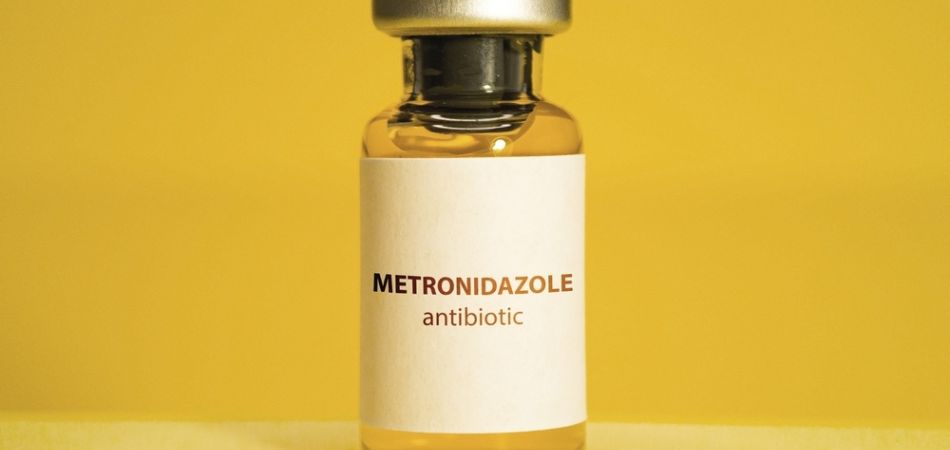
Metronidazole is an antibiotic used to treat infections caused by certain bacteria and parasites. Doctors commonly prescribe it for conditions such as bacterial vaginosis, trichomoniasis, dental infections, intestinal infections and some skin conditions.
What makes metronidazole particularly useful is its ability to target anaerobic bacteria. These are bacteria that thrive in environments with very little oxygen, which means they usually live deeper inside the body, such as in the digestive tract or reproductive system.
The medication works by disrupting the DNA inside bacterial cells, which means the bacteria can no longer grow or reproduce, allowing the infection to gradually clear from the body.
Because of this mechanism, metronidazole has become one of the more commonly prescribed antibiotics. Like many medications, though, it comes with specific instructions. One of the most important is the clear advice to avoid alcohol during treatment.
To understand why that warning exists, we first need to look at how the body normally processes alcohol.
How does alcohol react with metronidazole?
When you drink alcohol, your body breaks it down in different stages, rather than all at once. The liver first converts alcohol into a toxic chemical called acetaldehyde, which then can be further broken down into another chemical called acetate.
If metronidazole is in your system, it can disrupt the enzyme responsible for breaking down acetaldehyde. As a result, acetaldehyde begins to build up in the bloodstream instead of being cleared away.
This build-up triggers what doctors call a disulfiram-like reaction. Disulfiram is a medication sometimes used to treat alcohol dependence by causing unpleasant symptoms if alcohol is consumed. The reaction caused by metronidazole works in a very similar way and even a small amount of alcohol can lead to this response.
As acetaldehyde levels rise, the body reacts quickly, producing a range of uncomfortable symptoms that can last for several hours.
For many people, the experience is severe enough that they remember it clearly and avoid repeating it.
Symptoms of mixing alcohol and metronidazole
When alcohol and metronidazole are present in the body at the same time, the build-up of acetaldehyde can trigger a sudden and very uncomfortable reaction. These symptoms usually appear quickly, sometimes within minutes of drinking alcohol.
These symptoms may include:
- Severe nausea or vomiting
- Headaches
- Flushing of the face and skin
- Rapid heartbeat
- Dizziness
- Stomach cramps or digestive discomfort
- Shortness of breath
In most cases, these symptoms pass once the body has processed the alcohol and the acetaldehyde levels fall again. However, the experience can still be very unpleasant and distressing while it is happening.
Because even small amounts of alcohol can trigger this reaction, healthcare professionals strongly recommend avoiding alcohol entirely while taking metronidazole.

What happens if you accidentally drink while taking metronidazole?
If you accidentally drink alcohol while taking metronidazole, the first thing to know is that the reaction, while uncomfortable, is usually not life-threatening. Most people recover within several hours as the body gradually clears the alcohol.
The best immediate response is to give your body time to process what has happened. Resting in a comfortable position and staying hydrated can help reduce some of the discomfort while the reaction passes.
You may find it helpful to:
- Drink water to stay hydrated
- Sit or lie down if you feel dizzy
- Avoid sudden movements until symptoms settle
- Ask someone nearby to keep an eye on you if you feel particularly unwell
That said, there are situations where medical attention may be necessary. If symptoms become severe or unusual, it is important to seek professional help.
You should contact emergency medical services if you experience:
- Persistent vomiting
- Severe dehydration
- Chest pain
- Irregular heart rhythms
- Difficulty breathing
- Fainting or loss of consciousness
While these reactions are rare, they require immediate medical attention.
Another important point to remember is that metronidazole can remain in the body for around 48 hours after the last dose. Because of this, alcohol should still be avoided for at least two days after finishing the medication to reduce the risk of a delayed reaction.
Why do people still mix metronidazole and alcohol?
With the risks clearly explained in medical guidance, it might seem surprising that people still end up drinking alcohol while taking metronidazole. In many cases, though, it happens unintentionally.
One common reason is simply a lack of awareness, as not every patient receives a detailed explanation about the interaction between alcohol and this medication. Most would assume that drinking a small drink will not make a difference.
Another possibility is forgetting that the medication is still in the system. Because metronidazole is sometimes a prescribed drug for infections that do not cause obvious symptoms, a person may start feeling normal again and overlook the fact that they are still taking antibiotics.
There’s also the idea that alcohol is a part of many people’s lives and even routines. If you enjoy a glass of wine or beer after a stressful day, it can be easy to forget that you’re not supposed to drink during this time.
In some cases, however, the situation can point toward a more complicated relationship with alcohol.
I’m finding it difficult to stop drinking – What can I do?
If avoiding alcohol for a short course of medication feels unusually difficult, it may be worth taking a moment to reflect on why.
For many people, stepping away from alcohol for a few days is relatively straightforward. But if the urge to drink becomes strong enough to ignore medical advice or delay treatment, it could indicate that alcohol is playing a larger role in daily life.
Answering a few honest questions can sometimes provide useful insight:
- Do you continue drinking alcohol even when you know it could make you feel unwell while taking medication?
- Have you skipped a dose of medication so you could drink alcohol?
- Do you feel restless when you cannot drink for a short period?
- Do most of your social activities involve alcohol?
- Have friends or family said they are worried about your drinking?
Answering “yes” to several of these questions does not automatically mean you have an alcohol addiction, as they’re not classed as a diagnostic tool. However, it can be a helpful signal that it may be worth taking a closer look at your relationship with alcohol.
If alcohol is beginning to affect decisions about your health, alcohol rehab treatment may help you regain control.
UKAT: Expert providers of alcohol addiction treatment programmes
If you’ve found it difficult to stop drinking, even for something as important as your health, it may be a sign that some support could help. At UKAT, our team is here to listen and guide you through the next steps at a pace that feels right for you. Reaching out doesn’t commit you to anything; it simply opens the door to a supportive conversation about your options. Contact us today.
(Click here to see works cited)
- Weir, C. B., & Le, J. K. (2023). Metronidazole. Nih.gov; StatPearls Publishing. https://www.ncbi.nlm.nih.gov/books/NBK539728/
- Justesen, T., & Justesen, U. S. (2013). A simple and sensitive quality control method of the anaerobic atmosphere for identification and antimicrobial susceptibility testing of anaerobic bacteria. Diagnostic Microbiology and Infectious Disease, 76(2), 138–140. https://doi.org/10.1016/j.diagmicrobio.2013.02.014
- Patient. (2026, January 25). Can I take Metronidazole and Alcohol together? Patient.info. https://patient.info/medication-interactions/metronidazole-and-alcohol-interaction
- NHS. (2021, December 14). Common questions about metronidazole. Nhs.uk. https://www.nhs.uk/medicines/metronidazole/common-questions-about-metronidazole/