



Spotlight on Crack Cocaine: Insight, Statistics and Guidance
The Christmas season often brings parties, nightlife, and social gatherings; times to relax, celebrate, and unwind. For some, these events can involve substances like crack cocaine, a highly addictive stimulant known for its intense and short-lived effects. While crack is sometimes glamorised in media or social circles, the reality is far more dangerous.
This Christmas, we are shining a spotlight on crack cocaine, offering a wealth of insights, from expert perspectives and statistics to cost comparisons and key signs of addiction.
Understanding Crack Cocaine and Its Effects
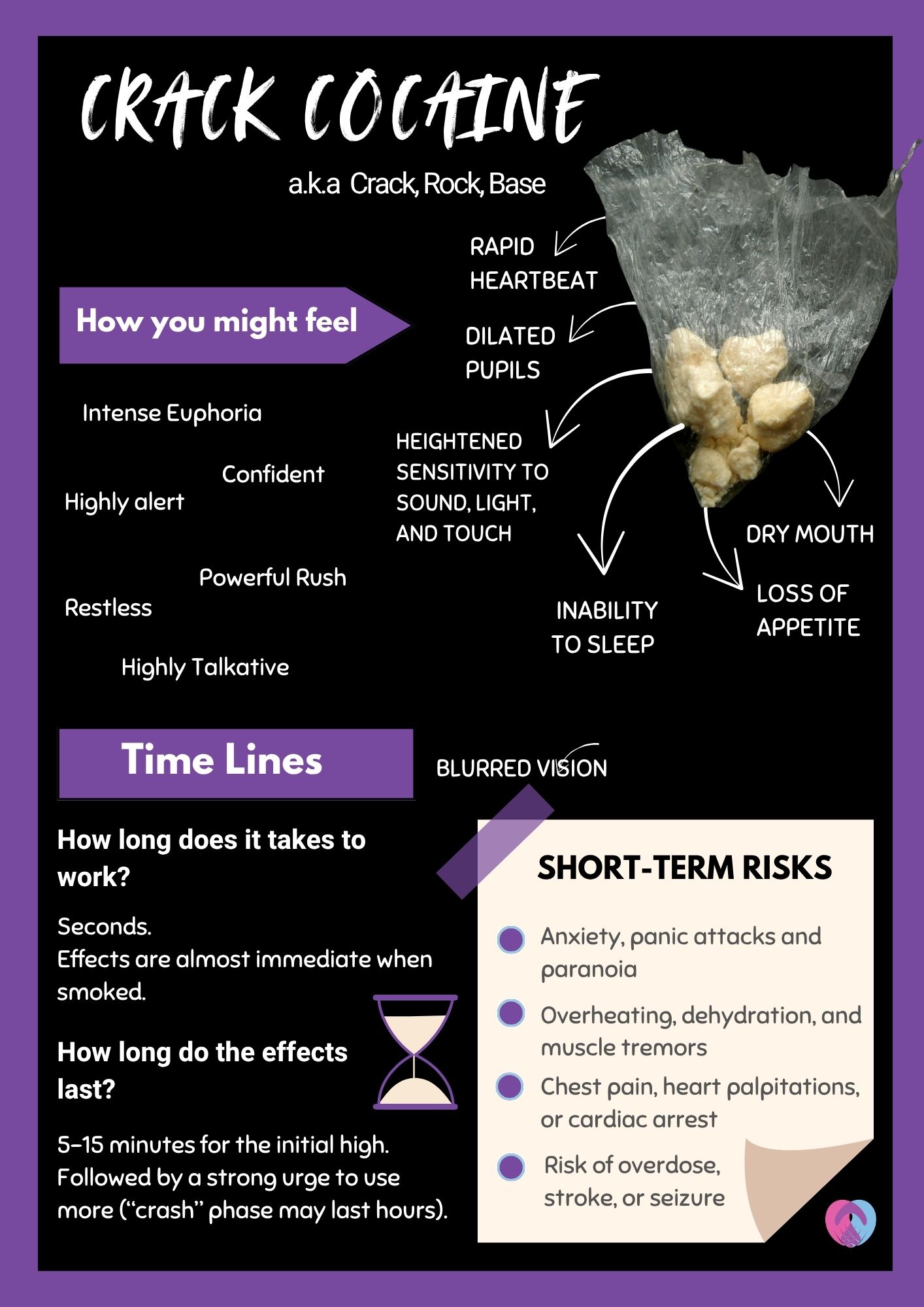
Crack cocaine is a form of cocaine processed with baking soda or ammonia to create small, hard “rocks” that can be smoked. Smoking crack delivers the drug rapidly to the brain, producing an intense but brief high, followed by a steep comedown.
Crack affects the brain’s dopamine system, producing feelings of euphoria, energy, and confidence. However, the drug also significantly increases heart rate, blood pressure, and risk-taking behaviours.
Common effects include:
- Intense, short-lived euphoria (“rush”)
- Heightened alertness and energy
- Increased heart rate and blood pressure
- Reduced appetite and sleep disruption
- Anxiety, irritability, and paranoia
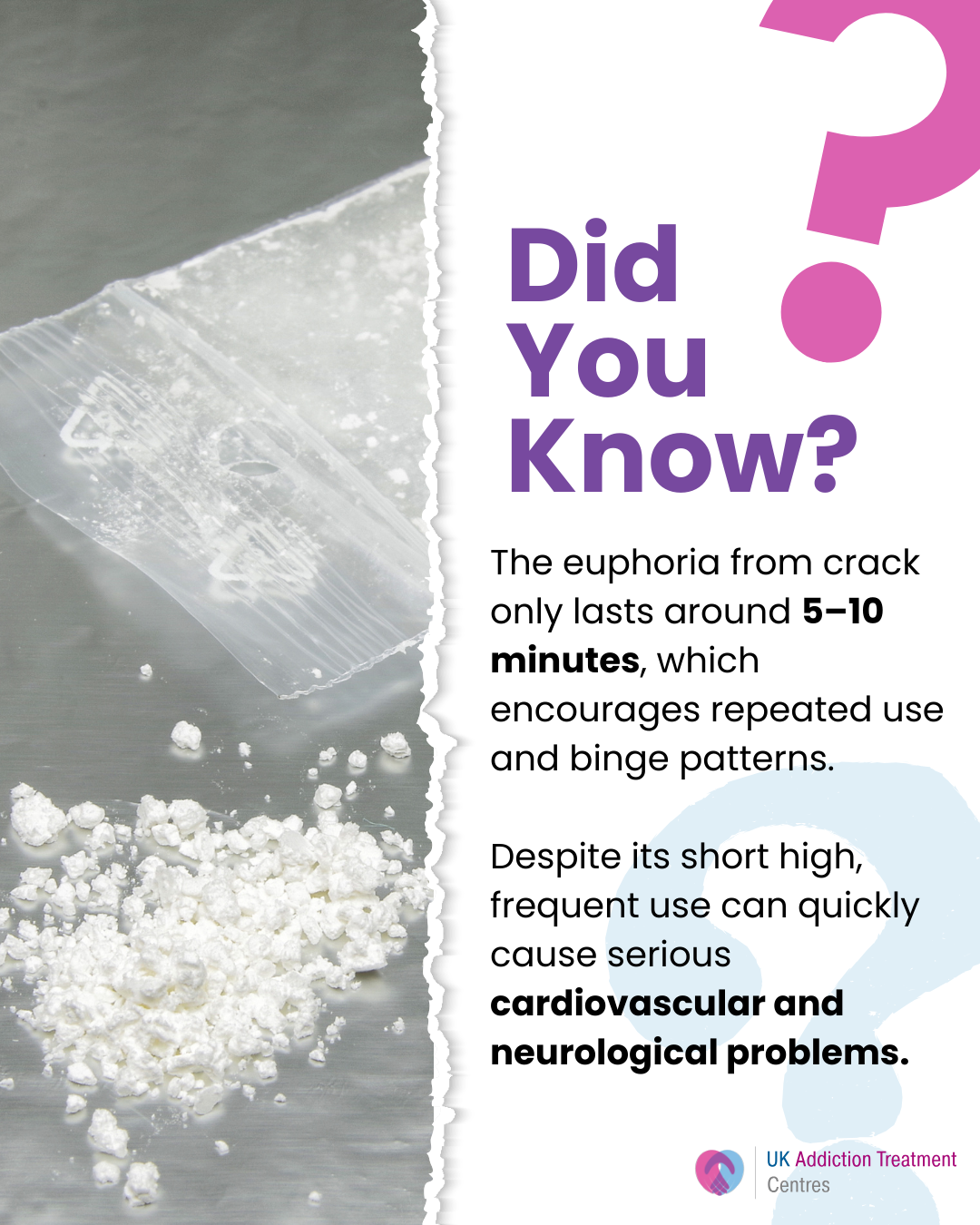
The initial high is fleeting, often lasting only 5–10 minutes, which encourages repeated use and rapidly escalates the risk of dependence.
Did You Know This About Crack Cocaine?
The Financial and Emotional Cost of Crack Use
Crack cocaine is notoriously addictive, both physically and psychologically. Even occasional use can spiral into frequent, compulsive consumption with severe consequences.
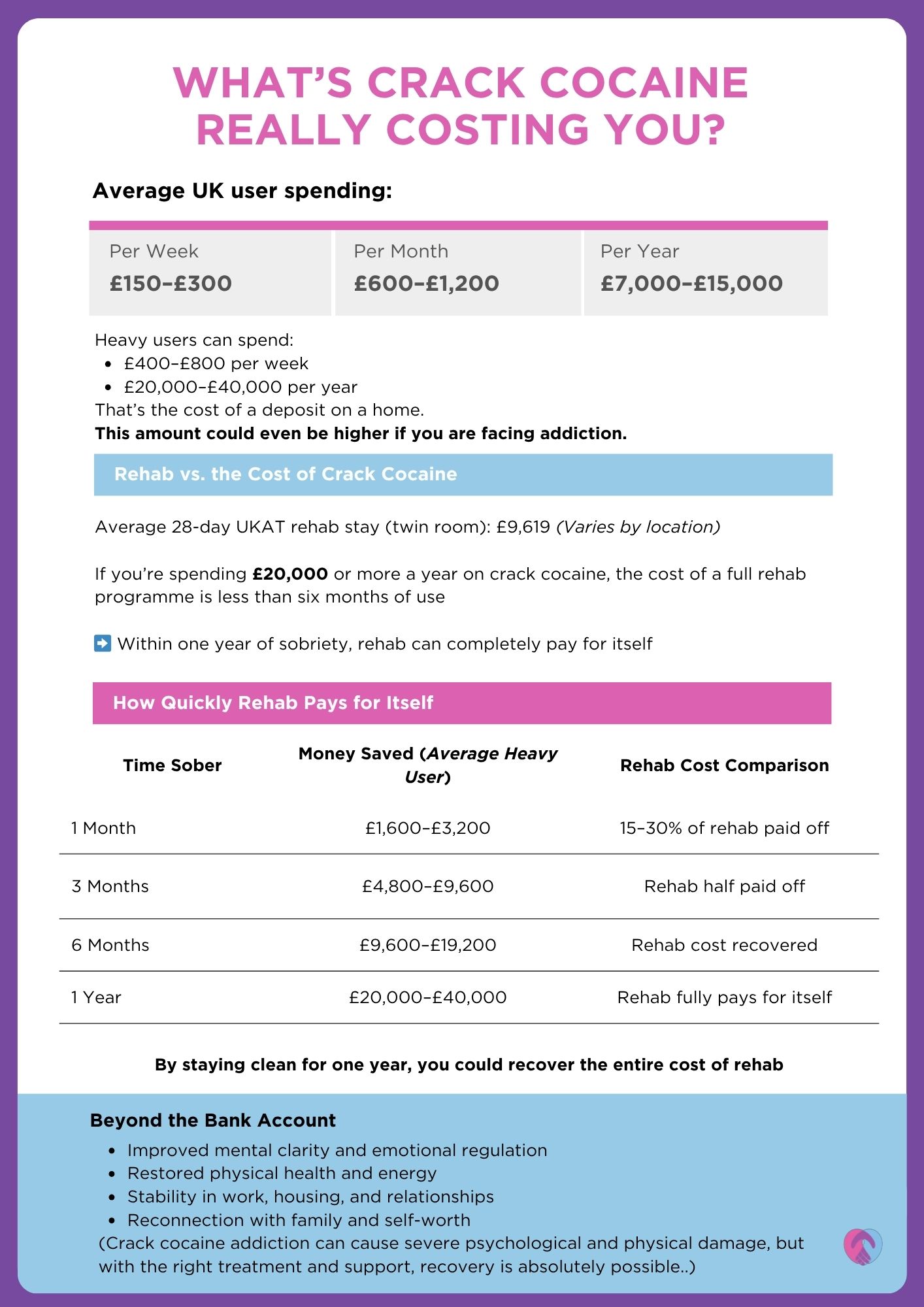
- Financial Costs: Maintaining a crack habit can be extremely expensive, leading to debt, crime, or unstable housing.
- Emotional Impact: Use can damage relationships, increase anxiety or paranoia, and isolate individuals from family, friends, and work.
- Physical Health Risks: Smoking crack can harm the lungs, heart, and blood vessels. Long-term use increases the risk of heart attack, stroke, and seizures.
- Mental Health Risks: Crack use is closely linked to depression, anxiety, aggression, and in severe cases, psychosis.
Despite its short-term euphoric effects, crack cocaine often worsens the very stress, emotional pain, or boredom it is used to escape.
What is the True Cost of Crack Cocaine?
Why Christmas Can Be a Risk Period for Crack Cocaine Abuse
The festive season can heighten both temptation and vulnerability. Factors that increase risk include:
- Social Pressure: Parties, clubs, or gatherings may normalise use or make it harder to say no.
- Emotional Strain: Stress, loneliness, or family tensions can trigger cravings.
- Availability: Old connections or familiar social scenes may provide access.
- Disruption to Routine: Time off work or recovery programmes can reduce structure, making relapse more likely.
Being aware of triggers and planning ahead is critical to maintaining control and wellbeing.
Crack Cocaine Facts
Crack Cocaine Statistics

Recognising the Signs of Crack Dependence
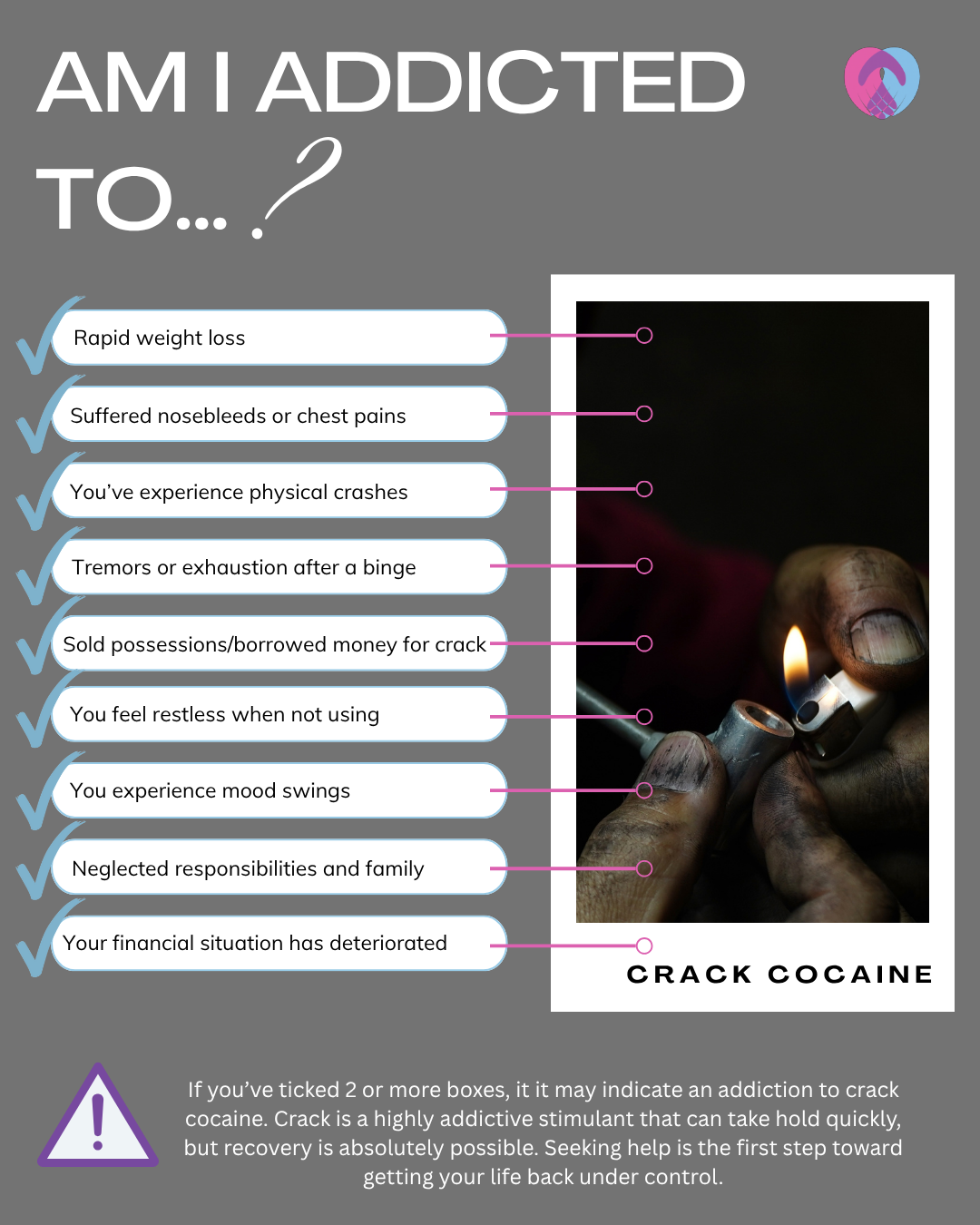
Crack addiction often develops quickly, due to the drug’s intense highs and rapid comedowns. Recognising warning signs early is essential.
Physical Signs
- Dilated pupils, nosebleeds, or respiratory issues from smoking
- Weight loss, insomnia, or physical agitation
- Rapid heartbeat or tremors
Behavioural Signs
- Spending large amounts of time and money on the drug
- Neglecting responsibilities or personal hygiene
- Risk-taking behaviour or criminal activity
- Intense cravings and irritability when unable to use
Psychological Signs
- Anxiety, paranoia, or mood swings
- Obsessive thoughts about obtaining or using crack
If these patterns appear in yourself or someone you care about, seeking professional support is vital, crack withdrawal can be physically and mentally challenging without support.
How UKAT Can Help With Crack Cocaine Dependence
At UKAT, we provide expert, compassionate care for individuals struggling with crack cocaine dependence. Our programmes combine medical supervision, psychological therapy, and holistic support to address the full scope of addiction.
Our complete treatment pathway includes:
- Medical Crack Detox: Safe, monitored withdrawal to manage cravings and physical symptoms.
- Inpatient Rehab: Structured care in both our primary and secondary care options, with 24-hour support to stabilise and begin recovery.
- Therapeutic Support: CBT, trauma therapy, and group therapy to tackle the psychological drivers of addiction.
- Holistic Recovery: Mindfulness, exercise, nutrition, and creative therapies to rebuild emotional balance.
- Aftercare and Alumni Network: Continued guidance and peer support to prevent relapse and sustain recovery.
Recovery from crack cocaine is challenging, but with the right support and commitment, long-term sobriety is possible.
Practical Tips for a Safer Festive Season
Whether you’re in recovery or trying to reduce risk, the following steps can help you stay safe and maintain control:
- Plan Ahead: Know your triggers and have strategies to manage cravings.
- Avoid High-Risk Environments: Parties, clubs, or old social circles may increase temptation.
- Reach Out for Support: Connect with therapists, sponsors, or trusted friends.
- Prioritise Health: Sleep, nutrition, and exercise support both body and mind.
- Stay Accountable: Regular check-ins with recovery groups or support networks reduce risk.
Even small actions can protect your progress and help you enjoy the season without relapse.
Crack Cocaine Addiction Symptoms
Be Aware of the Dangers of Crack Cocaine This Christmas
Crack cocaine is one of the most addictive and destructive substances, capable of rapidly consuming both health and life. Yet recovery is achievable, no matter how long or intensely someone has been using.
This Christmas, awareness, preparation, and support are key. UKAT offers expert, confidential care to help individuals reclaim control, rebuild confidence, and navigate recovery safely.
Use this page to explore facts, expert insights, statistics, and guidance. And remember, seeking help is always an option. One conversation, one appointment, or one small change can make a lasting difference.