


Spotlight on Heroin: Insight, Statistics and Guidance
For many, the festive season represents comfort, family, and celebration, a time to reconnect and reflect. But for others, it can be a period shadowed by pain, isolation, or relapse. Among the most dangerous substances linked to that struggle is heroin, a drug that continues to devastate lives across the UK despite growing awareness of its risks.
This Christmas, we are shining a spotlight on heroin, offering a wealth of insights, from expert perspectives and statistics to cost comparisons and key signs of addiction.
Understanding Heroin and Its Effects
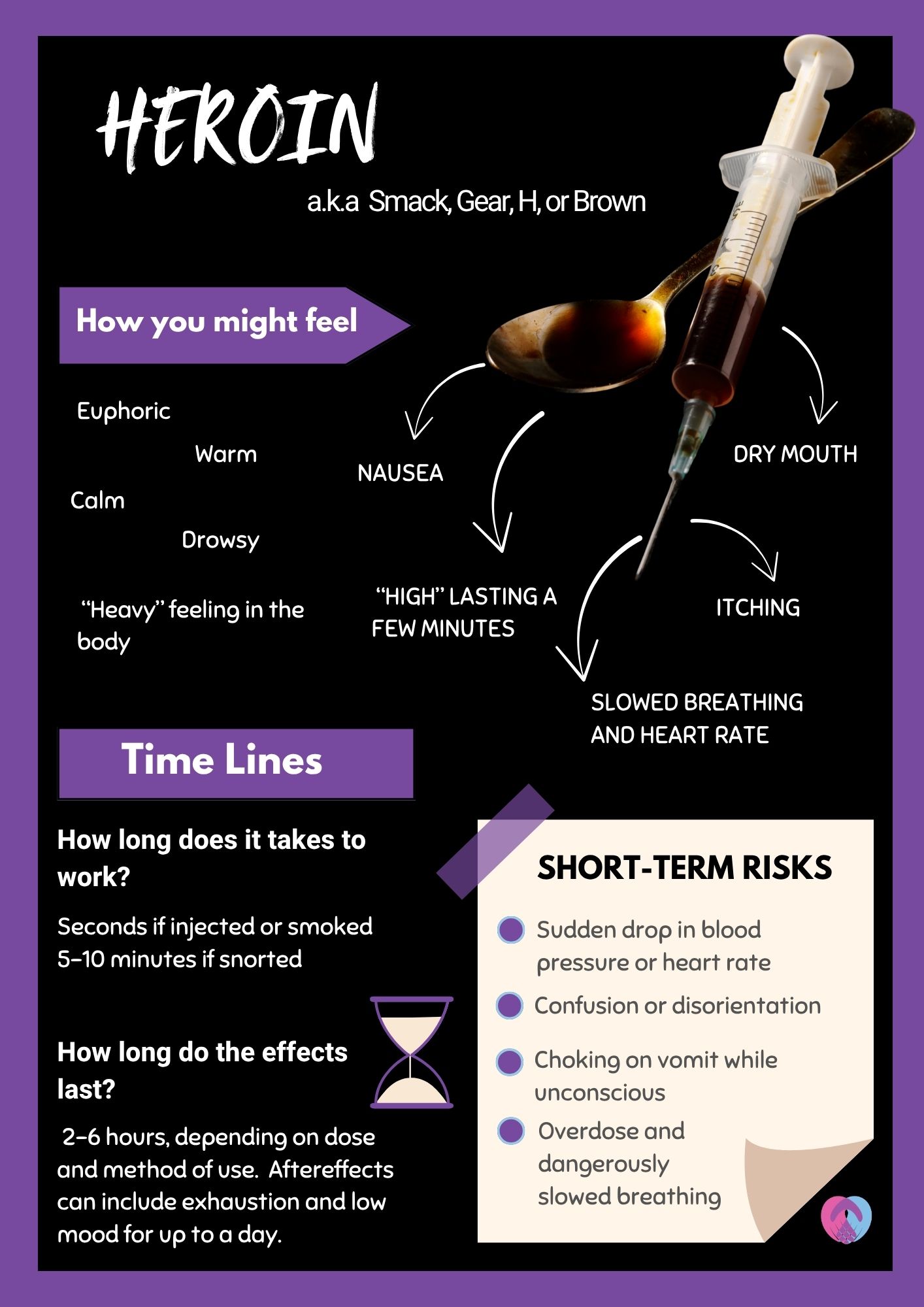
Heroin is a powerful opioid derived from morphine, a naturally occurring substance extracted from the opium poppy. It can appear as a white or brown powder or a sticky, tar-like substance (“black tar heroin”). It’s usually injected, smoked, or snorted, methods that allow it to reach the brain rapidly and create intense effects.
Once in the brain, heroin binds to opioid receptors that control pain and pleasure, flooding the user with a sense of warmth, relaxation, and euphoria. But this brief relief comes at an immense cost: physical dependence, psychological withdrawal, and a rapid decline in health and wellbeing.
Common effects include:
- A rush of euphoria followed by drowsiness or sedation
- Slowed breathing and heart rate
- Constricted pupils
- Nausea and vomiting
- Itching or flushed skin
- Clouded mental function and poor coordination
While the short-term effects may feel calming, the long-term damage can be catastrophic. Repeated use alters brain chemistry, leading to tolerance, addiction, and withdrawal symptoms so severe that continuing to use often feels like the only option.
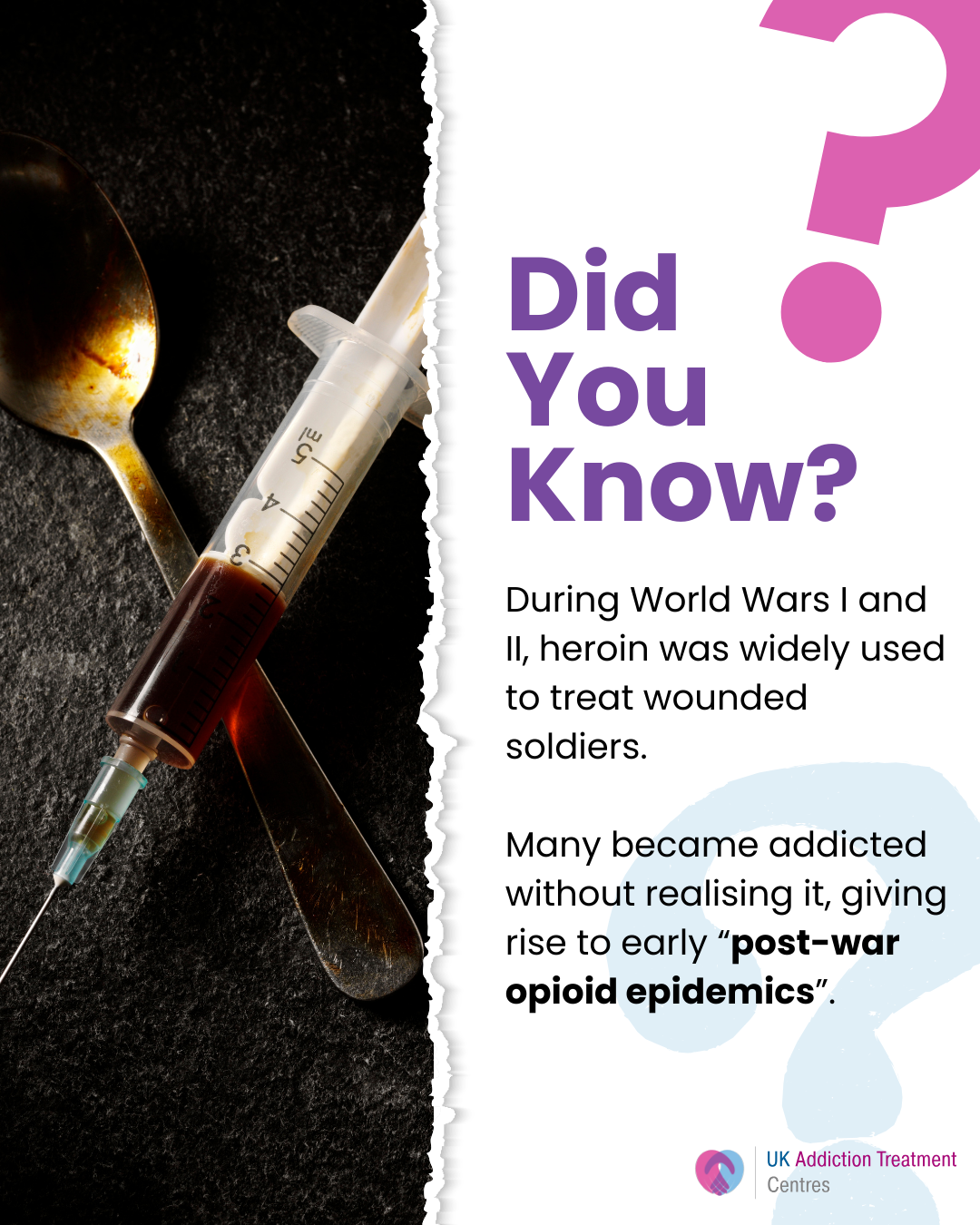
Did You Know This About Heroin?
The Financial and Emotional Cost of Heroin Use
Heroin addiction doesn’t just destroy the body, it consumes time, money, and relationships. What often begins as an attempt to escape pain or trauma can spiral into an all-encompassing dependency.
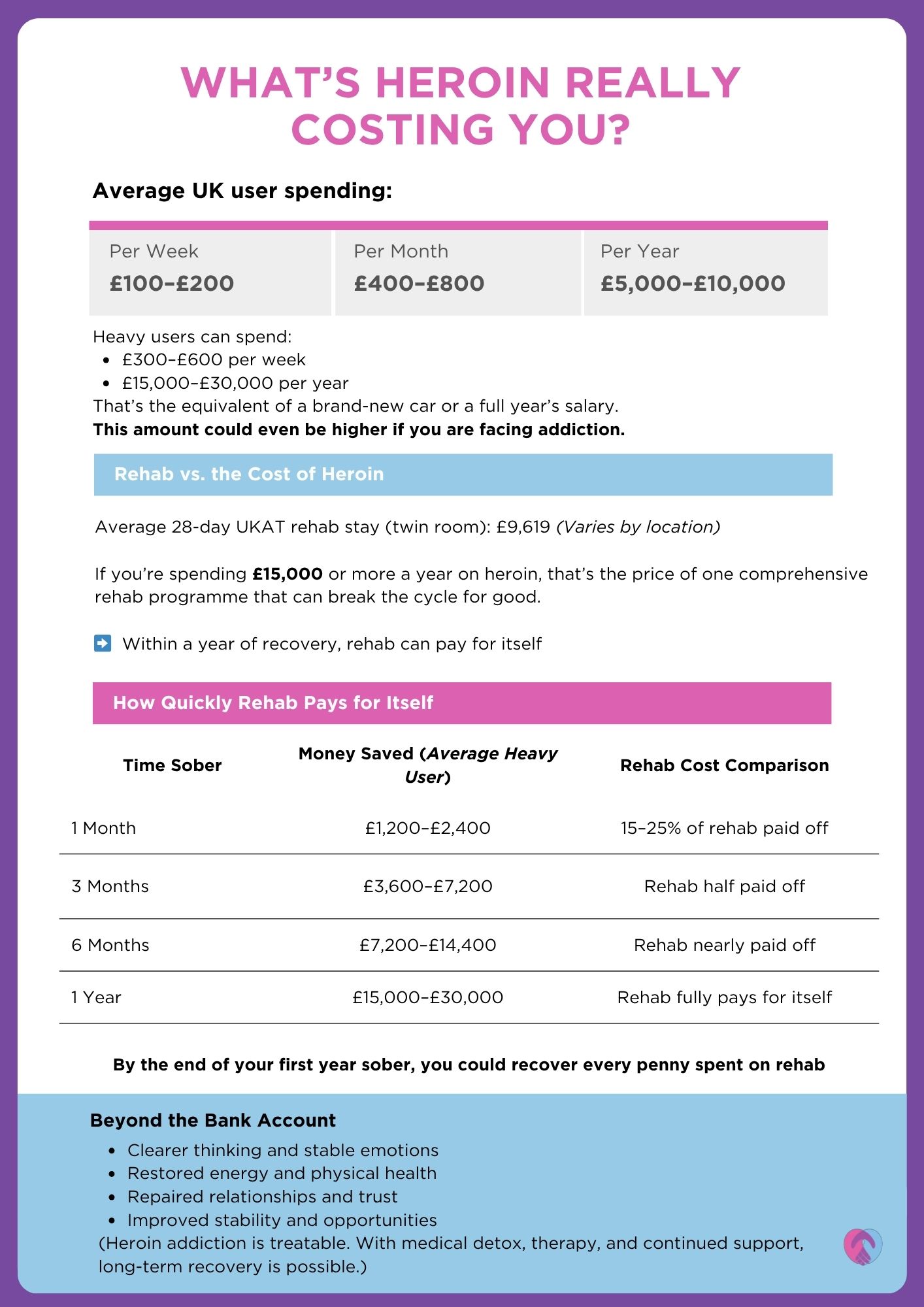
- Financial Costs: Maintaining a heroin habit can cost thousands of pounds each month, driving individuals into debt, crime, or dangerous situations.
- Emotional Impact: Addiction isolates people from family, friends, and responsibilities, leading to shame, secrecy, and loss of identity.
- Physical Consequences: Long-term use can result in collapsed veins, liver and kidney disease, infections, and overdose, which remains one of the leading causes of drug-related deaths in the UK.
- Mental Health Risks: Heroin dependence is closely linked to depression, anxiety, and suicidal thoughts. The temporary “relief” it provides quickly gives way to deeper emotional pain.
Heroin doesn’t just numb feelings, it erases them, taking with it the capacity for joy, motivation, and connection.
What is the True Cost of Heroin?
Why Christmas Can Be a Risk Period for Heroin Use
The festive season can heighten both the desire to use and the risk of relapse. For those in recovery or struggling with dependence, the pressures of the holidays can be overwhelming.
- Emotional Triggers: Loneliness, grief, or strained family relationships can resurface, prompting old coping mechanisms.
- Stress and Expectation: The financial and social pressures of the season can drive individuals toward substances as a form of relief.
- Availability: Parties, gatherings, and old connections may reintroduce opportunities to use.
- Disruption to Routine: The holidays can interrupt support systems, therapy sessions, or recovery structures that help maintain sobriety.
Awareness and preparation are crucial. Understanding your triggers, and knowing who to reach out to, can make all the difference.
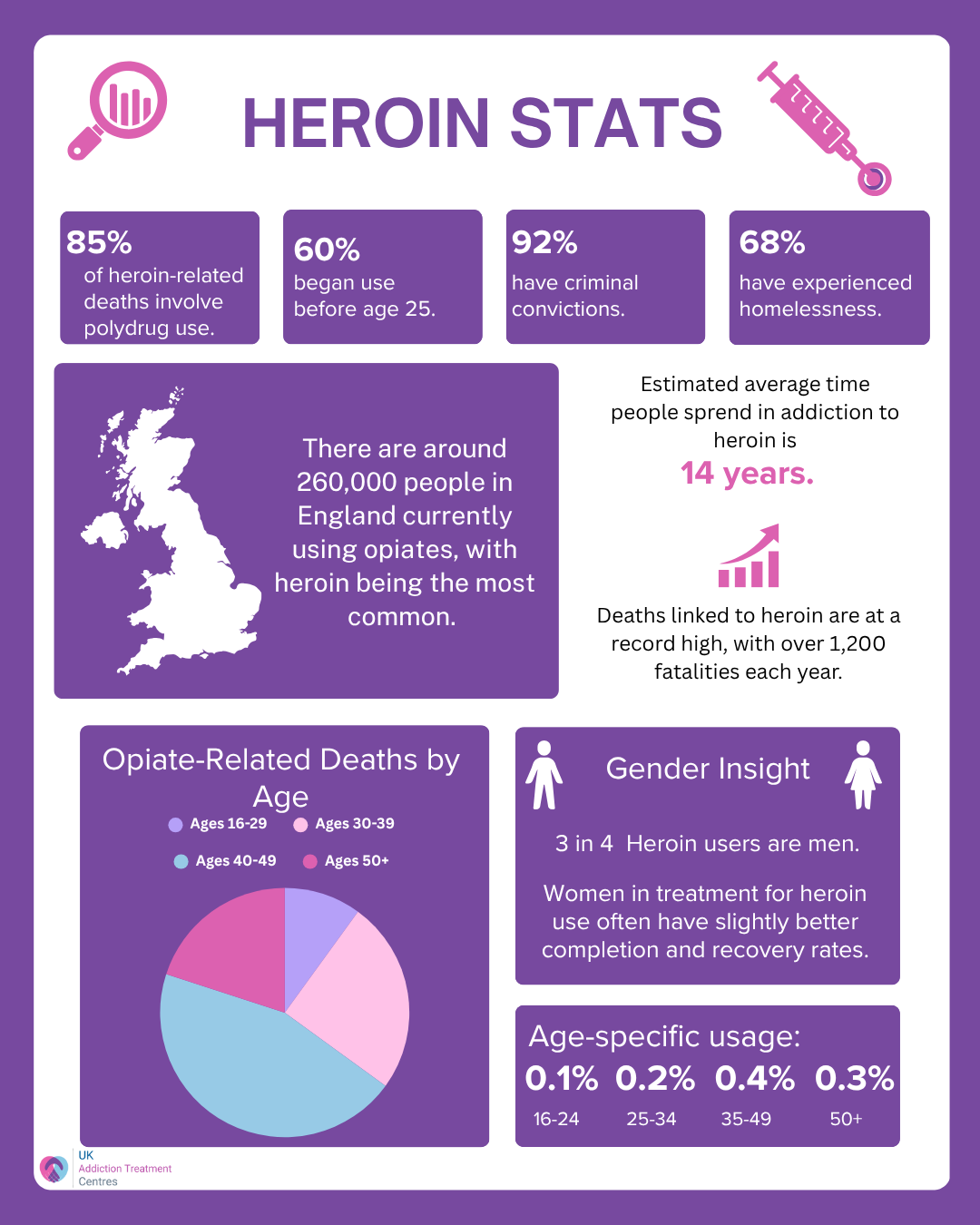
Heroin Facts
Heroin Statistics
Recognising the Signs of Heroin Dependence
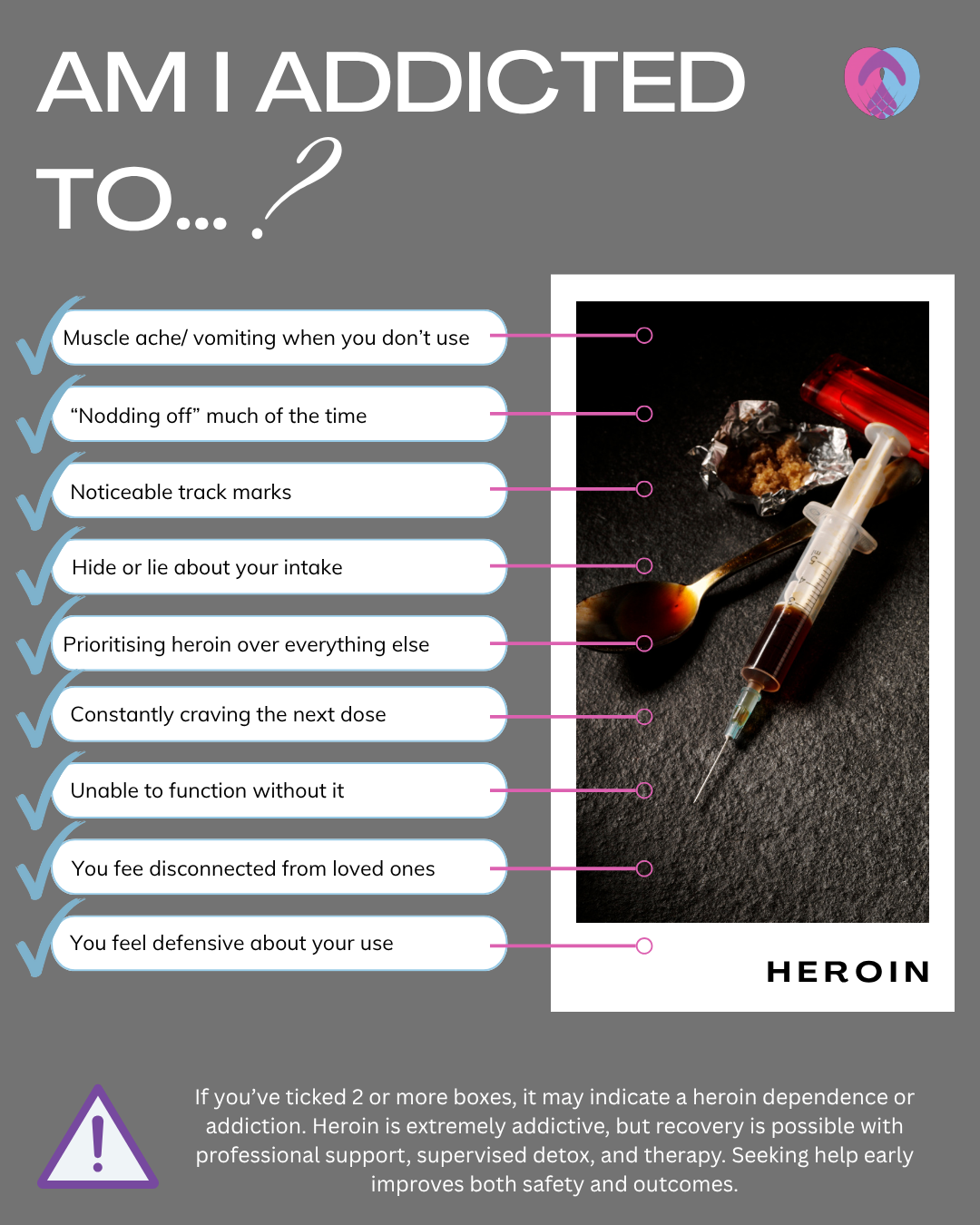
Heroin addiction can progress quickly, often before the user realises how dependent they’ve become. Recognising the signs early can be the first step toward recovery.
Physical Signs:
- Needle marks (“track marks”) on arms or other body parts
- Sudden weight loss and persistent drowsiness
- Frequent flu-like symptoms, itching, or nausea
Constricted pupils and slowed breathing
Behavioural Signs:
- Secretive or withdrawn behaviour
- Neglect of personal hygiene or responsibilities
- Financial difficulties or stealing to fund use
- Intense cravings and anxiety when unable to use
Withdrawal Symptoms:
- Muscle aches, sweating, and chills
- Nausea, vomiting, and diarrhoea
- Insomnia and agitation
- Severe anxiety or depression
If you recognise these signs in yourself or someone else, it’s vital to seek professional help, heroin withdrawal should never be attempted alone.
How UKAT Can Help With Heroin Addiction
At UKAT, we’ve helped thousands of individuals rebuild their lives after heroin addiction. Our medically supported detox and holistic rehab programmes provide a safe, structured environment for recovery, addressing both the physical and psychological roots of dependence.
Our treatment pathway for heroin rehab includes:
- Medical Heroin Detox: Monitored withdrawal in a secure clinical setting to manage symptoms safely and comfortably.
- Inpatient Rehab: Structured primary care treatment with 24-hour support, ensuring stability and accountability, as well as secondary care options.
- Therapeutic Programmes: Evidence-based therapies such as CBT, DBT, and trauma therapy to tackle the causes of addiction.
- Holistic Recovery: Activities like yoga, art therapy, and mindfulness to rebuild self-esteem and emotional balance.
- Aftercare and Alumni Network: Continued guidance and community support to prevent relapse and sustain recovery.
Heroin addiction can feel like an unbreakable cycle, but with the right help, that cycle can be broken.
Practical Tips for Staying Safe and Supported This Festive Season
Whether you’re in recovery or supporting someone who is, the following steps can help you navigate the holidays with strength and stability:
- Stick to Structure: Keep to daily routines, including sleep, meals, and recovery meetings.
- Reach Out for Support: Stay connected to therapists, sponsors, or trusted friends.
- Avoid Risky Environments: Decline invitations or situations where triggers may arise.
- Plan for Cravings: Have coping strategies ready, such as exercise, journaling, or grounding techniques.
- Don’t Isolate: If loneliness hits, connect with others in recovery or attend community meetings.
Small, intentional actions can safeguard your progress and remind you how far you’ve come.
Heroin Addiction Symptoms
Be Aware of the Dangers of Heroin This Christmas
Heroin is one of the most addictive and destructive substances known, but recovery is always possible, no matter how long you’ve been using or how hopeless it feels. This Christmas, give yourself or a loved one the gift of a new beginning.
If you or someone you know is struggling with heroin dependence, UKAT offers confidential, compassionate care designed to heal both body and mind. With expert support, a structured plan, and a community that understands, life beyond heroin isn’t just possible, it’s waiting.
Use this page to explore facts, expert insights, statistics, and guidance. And remember, seeking help is always an option. One conversation, one appointment, or one small change can make a lasting difference.