


Spotlight on Stimulants: Insight, Statistics and Guidance
The festive season often brings high energy, socialising, and excitement, moments when people may feel tempted to use substances to enhance alertness, focus, or mood. Stimulants, including substances like cocaine, amphetamines, and prescription ADHD medications, are often viewed as a “performance boost” or recreational enhancement. Yet the reality is far more complex, with serious physical, mental, and emotional risks.
This Christmas, we are shining a spotlight on stimulants, offering a wealth of insights, from expert perspectives and statistics to cost comparisons and key signs of addiction.
Understanding Stimulants and Their Effects
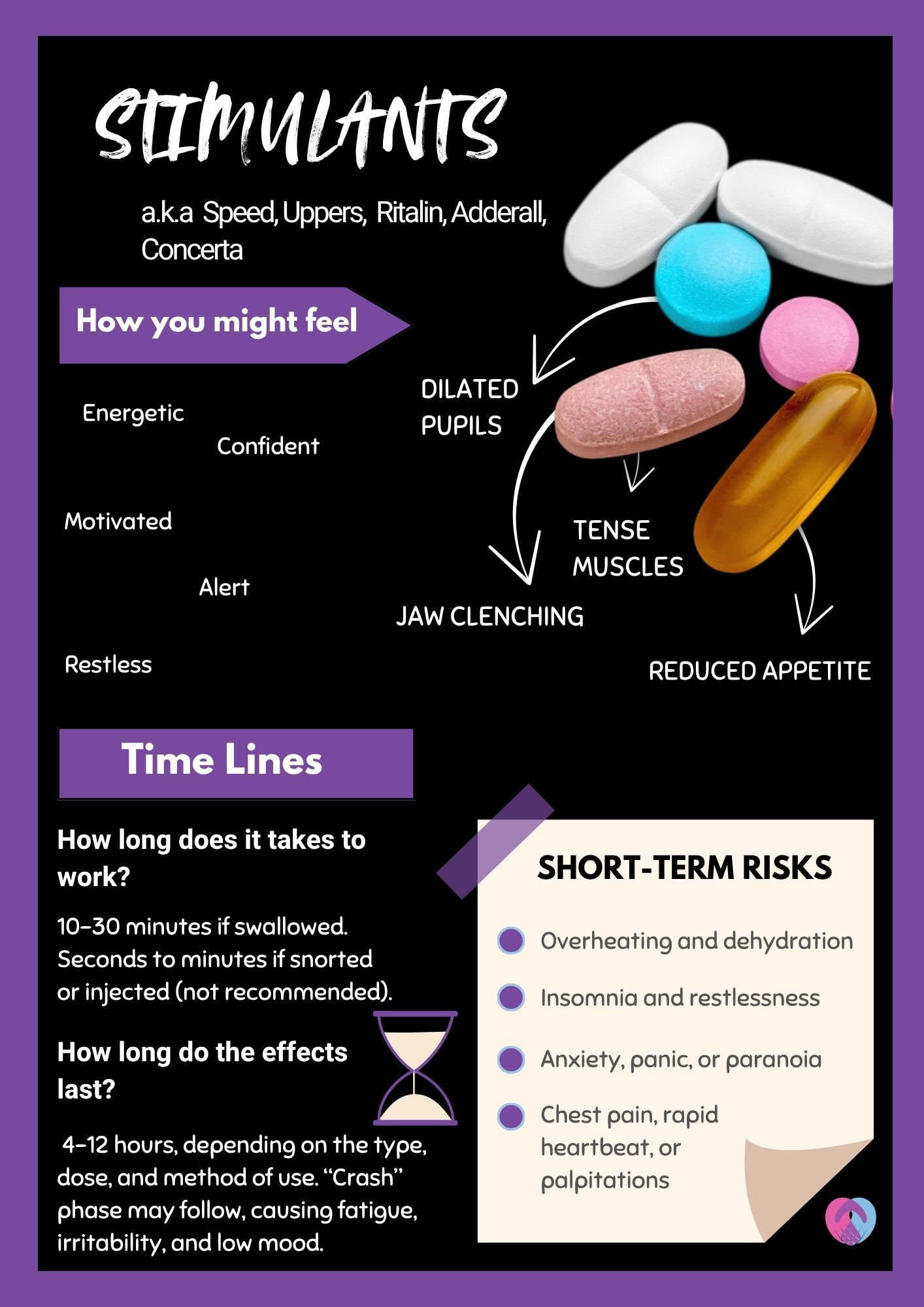
Stimulants are drugs that increase activity in the central nervous system, boosting alertness, energy, and heart rate. Common examples include:
- Cocaine
- Amphetamines (including methamphetamine)
- Prescription medications such as Adderall or Ritalin when misused
While these substances can create heightened focus, euphoria, or confidence, they also place intense strain on the body and brain.
Common effects include:
- Increased energy and alertness
- Heightened confidence or talkativeness
- Reduced appetite and sleep disruption
- Elevated heart rate, blood pressure, and body temperature
- Anxiety, irritability, or paranoia
Even occasional use can trigger intense cravings, and repeated use rapidly increases the risk of dependence and mental health problems.
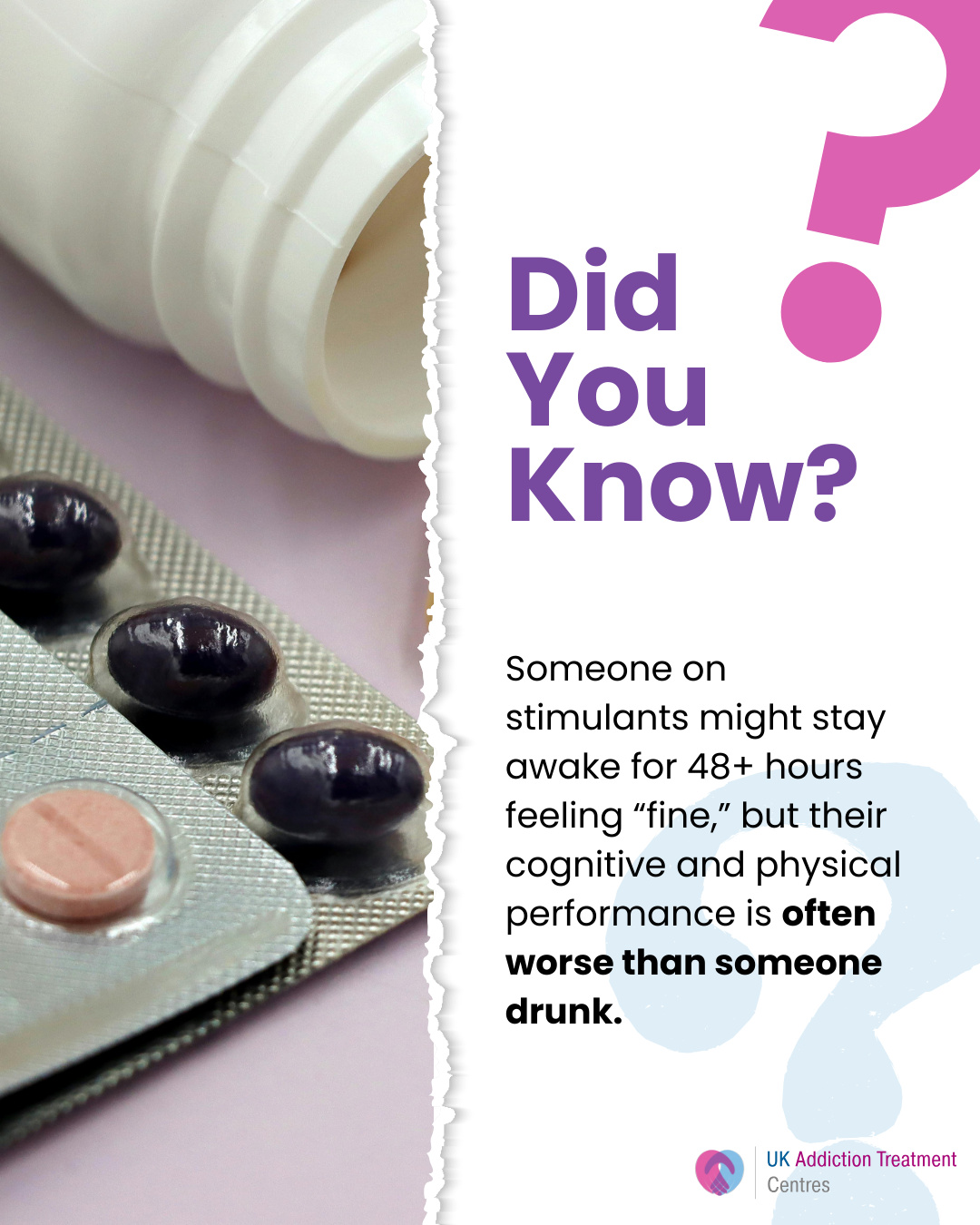
Did You Know This About Stimulants?
The Financial and Emotional Cost of Stimulant Use
Stimulants may feel like a quick fix, but the toll they take, physically, mentally, and financially, can be severe.
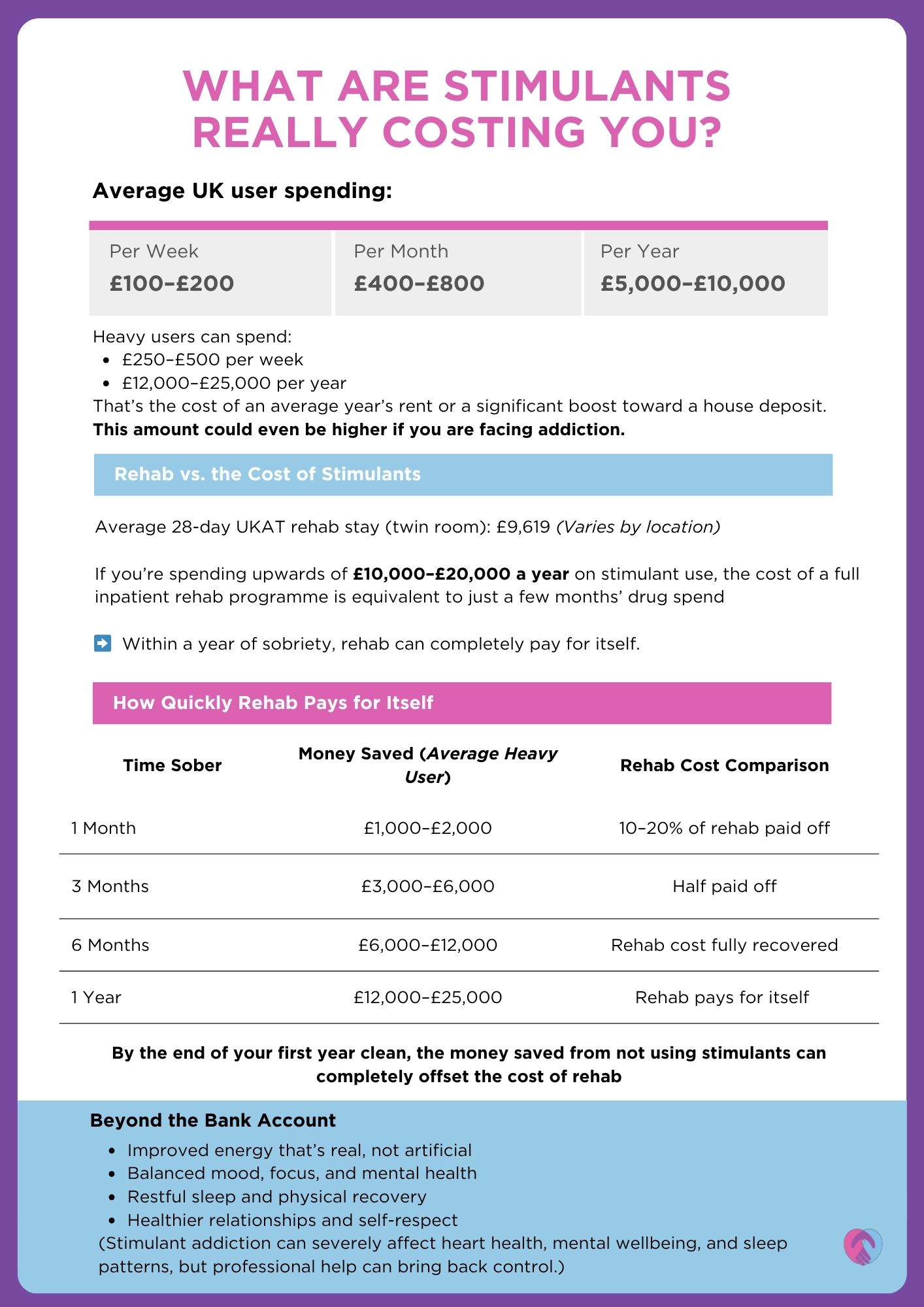
- Financial Costs: Recreational use can become expensive, especially with substances like cocaine or amphetamines.
- Emotional Impact: Dependency can lead to mood swings, anxiety, and social withdrawal.
- Physical Health Risks: Long-term use strains the cardiovascular system, increases risk of stroke, and can damage organs.
- Mental Health Risks: Anxiety, depression, paranoia, and in severe cases psychosis can develop with chronic use.
The cycle of high-energy highs and intense comedowns often leads to emotional instability and impaired judgement, creating a dangerous pattern over time.
What is the True Cost of Stimulants?
Why Christmas Can Be a Risk Period for Stimulant Abuse
The festive season can amplify the risks associated with stimulant use:
- Social Pressure: Parties, nightlife, and celebrations may normalise stimulant use or make it hard to refuse.
- Stress and Fatigue: Holiday pressures, financial strain, or emotional stress can prompt overuse.
- Disrupted Routines: Sleep patterns and regular support structures may be interrupted.
- Mixing Substances: Combining stimulants with alcohol or other drugs increases health risks and unpredictability.
Being aware of these triggers is key to avoiding dependence or harmful consequences.
Stimulant Facts
Stimulant Statistics
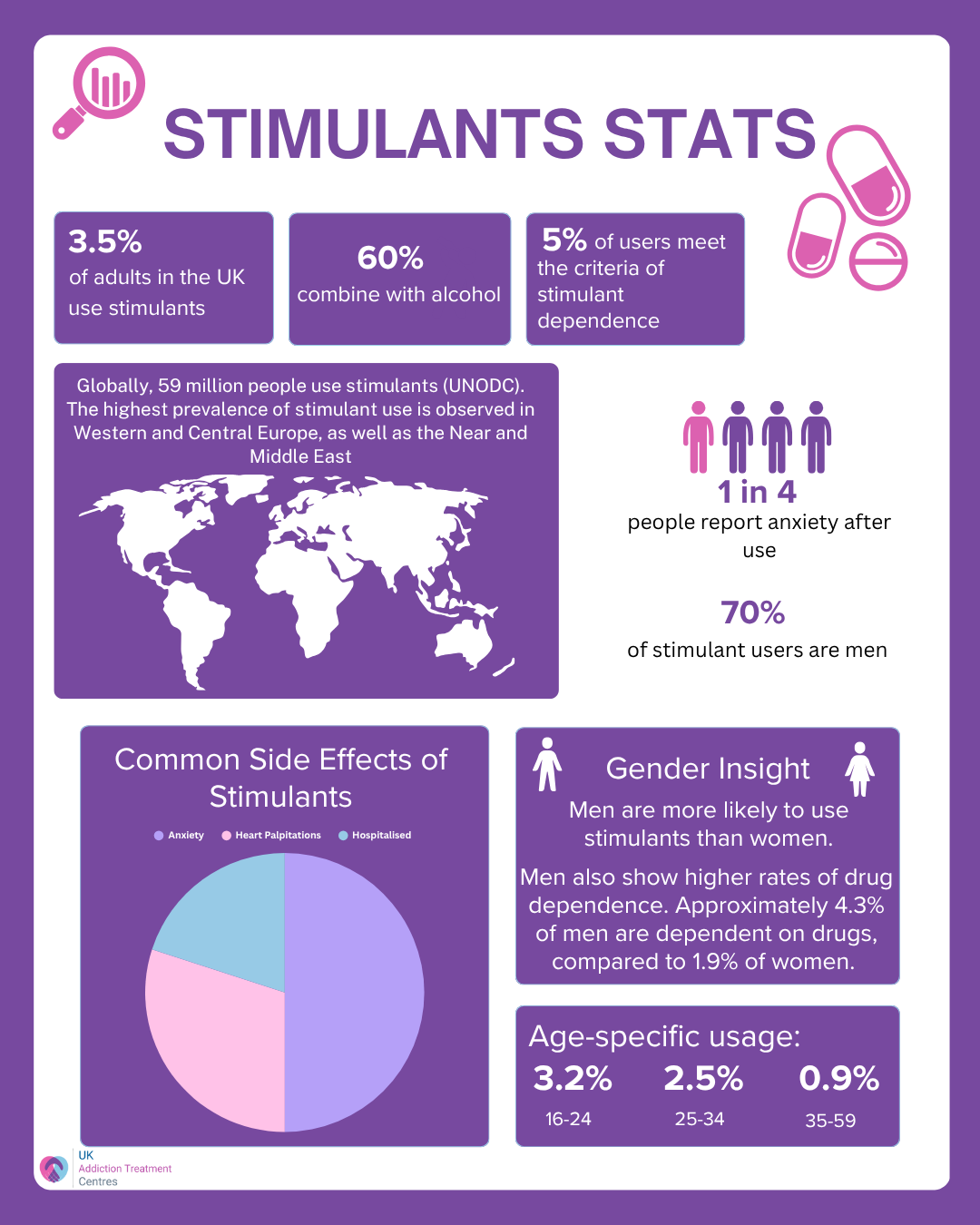
Recognising Stimulant Dependence
Dependence on stimulants can develop quickly, often before the user realises the severity of their behaviour.
Physical Signs:
- Rapid heartbeat, high blood pressure, and irregular sleep
- Weight loss or poor nutrition
- Tremors, headaches, or fatigue after use
Behavioural Signs:
- Spending increasing time or money acquiring stimulants
- Neglecting responsibilities, work, or relationships
- Using stimulants to cope with stress or emotional challenges
Psychological Signs:
- Intense cravings or irritability when not using
- Anxiety, paranoia, or depression between doses
Early recognition of these patterns is critical to seeking help and avoiding long-term harm.
How UKAT Can Help With Stimulant Dependence
At UKAT, we provide expert care for individuals struggling with stimulant misuse or dependence. Our holistic approach addresses both the physical and psychological aspects of use, supporting recovery and long-term wellbeing.
Our treatment pathway includes:
- Medical Stimulant Detox: Monitored withdrawal to manage symptoms safely and comfortably.
- Inpatient Rehab: Structured care with 24-hour support to stabilise routines and rebuild life.
- Therapeutic Support: CBT, mindfulness, and group therapy to tackle underlying causes of stimulant use.
- Holistic Recovery: Nutrition, exercise, and relaxation therapies to restore balance and resilience.
- Aftercare and Alumni Network: Ongoing support to maintain sobriety and prevent relapse.
Recovery from stimulant misuse is possible, with the right guidance, commitment, and support.
Practical Tips Around Avoiding Stimulant Abuse for a Safer Festive Season
Even occasional use can pose risks, but awareness and preparation can reduce harm:
- Plan Ahead: Know your triggers and set boundaries around substance use.
- Avoid Risky Environments: Parties or nightlife may encourage impulsive decisions.
- Prioritise Health: Sleep, nutrition, and exercise support both body and mind.
- Stay Connected: Reach out to trusted friends, family, or recovery groups if cravings or stress increase.
- Seek Professional Guidance: Early support can prevent escalation and long-term dependence.
Small, intentional actions can protect wellbeing and ensure the holidays are safe and enjoyable.
Stimulant Addiction Symptoms
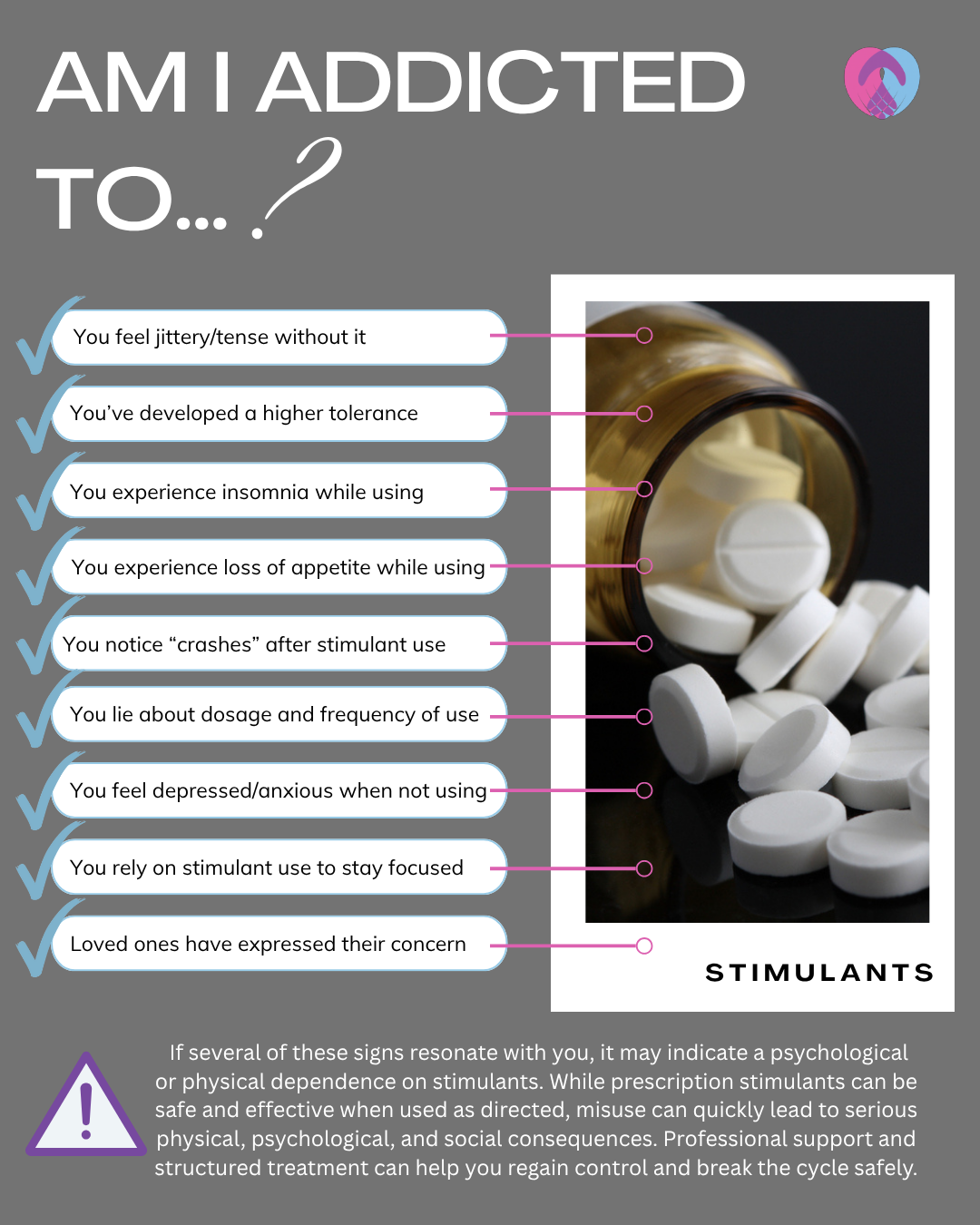
Be Aware of the Dangers of Stimulants This Christmas
Stimulants may offer temporary energy, focus, or euphoria, but they come with serious physical, emotional, and mental health risks. Awareness, moderation, and professional support are key to maintaining control.
This festive season, UKAT provides expert, confidential care for anyone struggling with stimulant misuse or dependence. Recovery is possible, and with guidance, structure, and support, you can enjoy the holidays with balance, clarity, and confidence.
Use this page to explore facts, expert insights, statistics, and guidance. And remember, seeking help is always an option. One conversation, one appointment, or one small change can make a lasting difference.