



Spotlight on Alcohol: Insight, Statistics and Guidance
Christmas is a time of celebration, family gatherings, and festive cheer, but for many, it’s also a period when alcohol consumption increases, sometimes without people even realising the impact it has on their health, relationships, and wellbeing. While enjoying a drink over the holidays is a tradition for some, it’s important to take a moment to understand the bigger picture. How much are we drinking? What are the risks? Or even, do I have an addiction problem?
This Christmas, we are shining a spotlight on alcohol, offering a wealth of insights, from expert perspectives and statistics to cost comparisons and key signs of addiction.
Understanding Alcohol and Its Impact
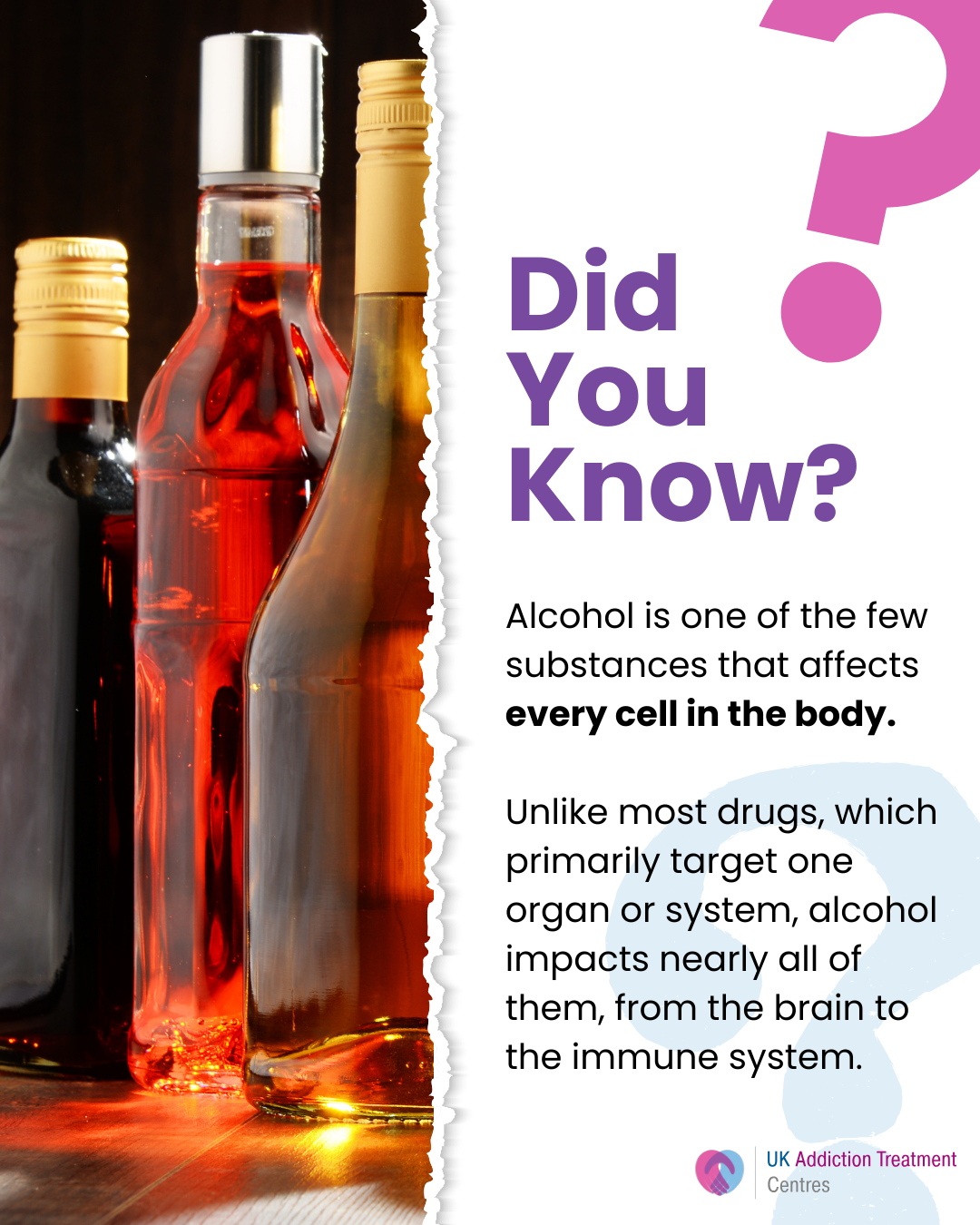
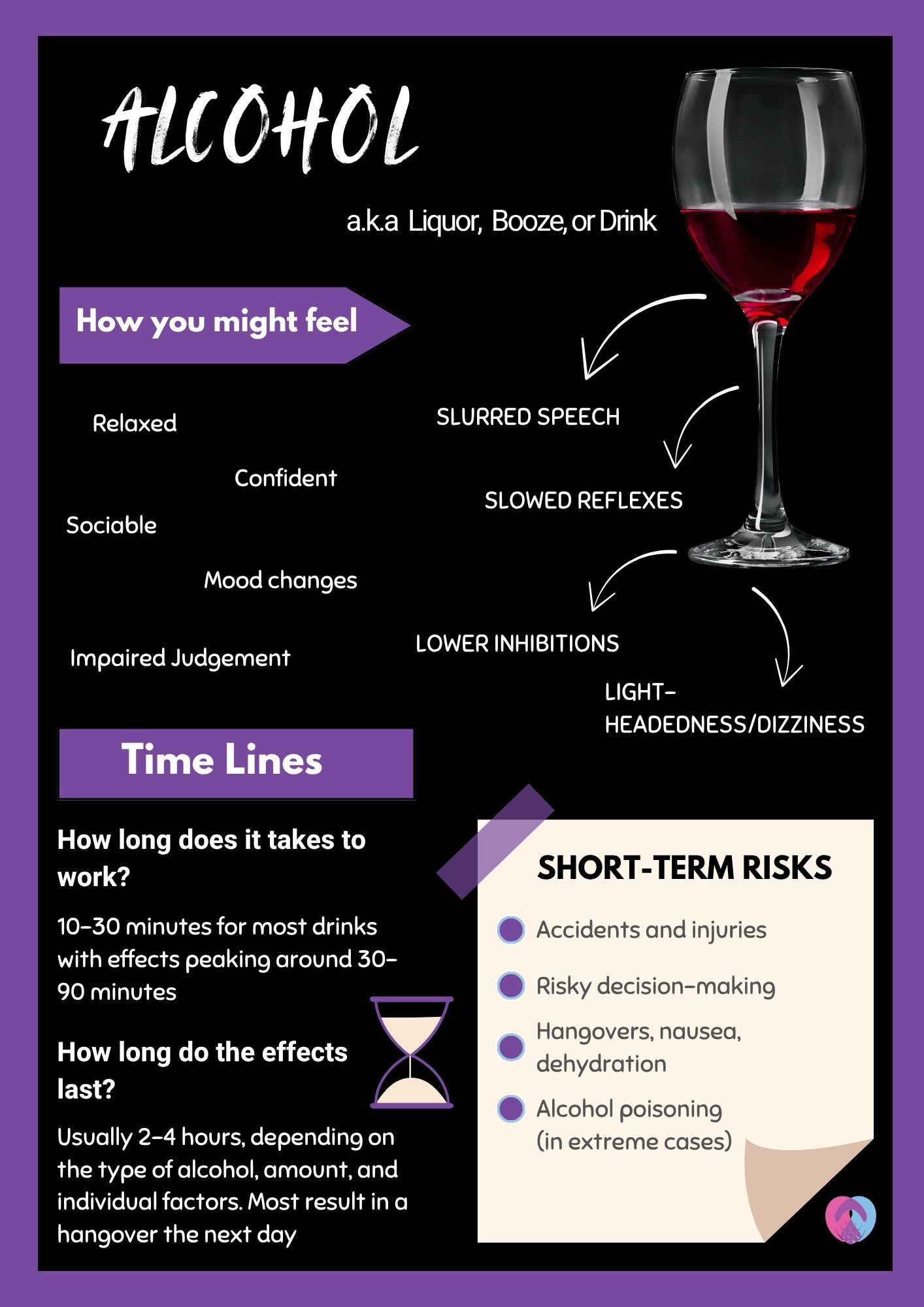
Alcohol is often viewed as a social lubricant or a way to relax during celebrations. But beneath the surface, alcohol is a depressant that affects your central nervous system, slowing brain function and impacting mood, decision-making, and physical coordination. Short-term overconsumption can result in hangovers, impaired judgement, and accidents. Long-term excessive drinking can lead to serious health issues, including liver disease, cardiovascular problems, mental health challenges, and increased risk of cancer.
The festive season often sees a spike in alcohol consumption, with social events, family gatherings, and office parties creating an environment where drinking can become habitual, excessive, or simply more frequent than intended. This doesn’t just affect the individual drinking; it can have consequences for friends, family, and colleagues.
Recognising the effects of alcohol on both body and mind is the first step in ensuring you enjoy the holiday season safely. Awareness isn’t about taking the fun out of festivities; it’s about making informed choices that protect your wellbeing while still enjoying the moment.
The Financial Reality of Alcohol Consumption
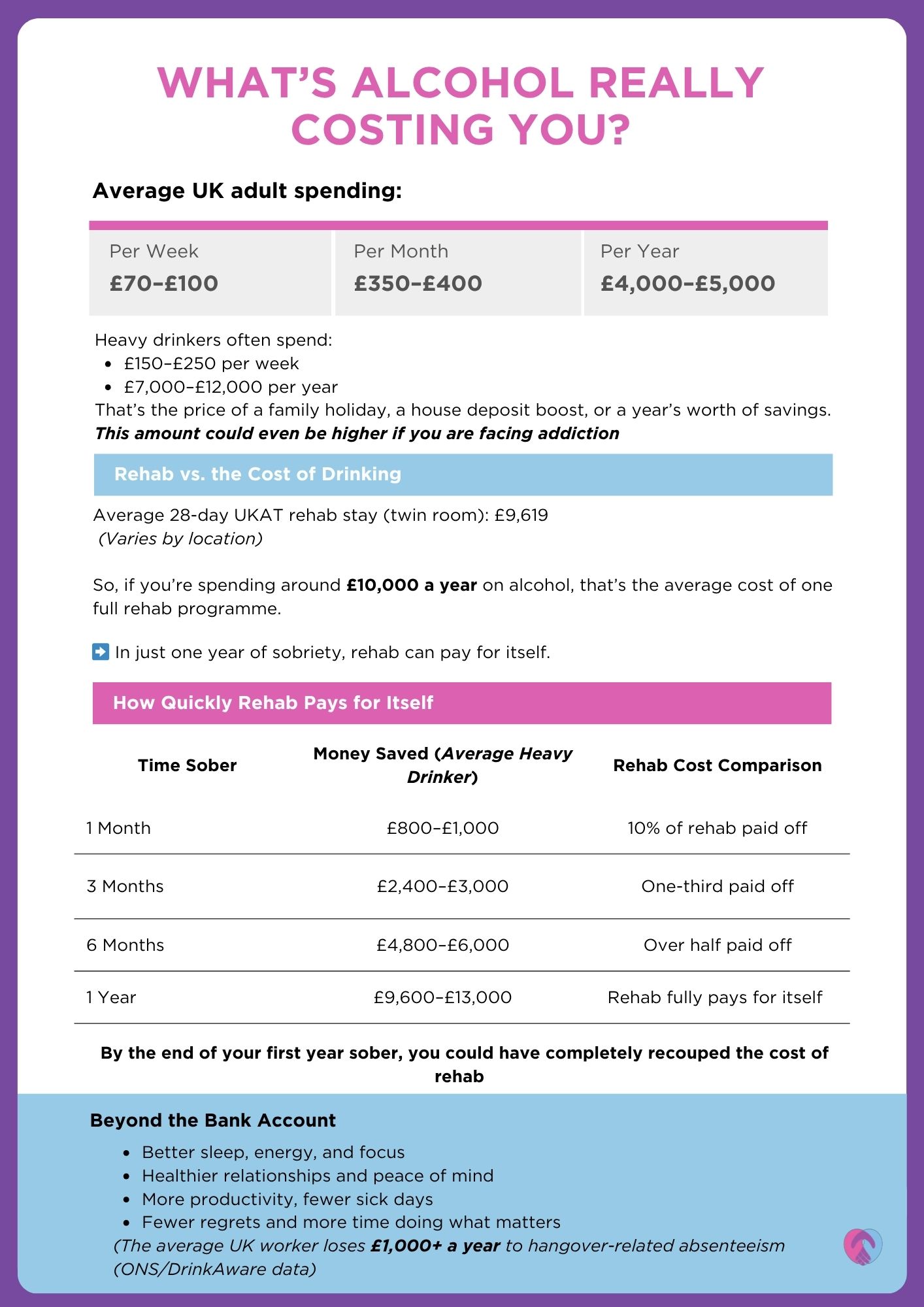
While the immediate focus is often on health, it’s easy to overlook the financial impact of alcohol. During the festive season, the cost of drinking can add up quickly. Beyond the price of the drinks themselves, there are hidden costs: increased spending on transport, late-night food, healthcare for alcohol-related incidents, and even potential legal consequences from drink-related accidents.
Comparing the costs of alcohol consumption to the cost of professional support may seem counterintuitive, but it’s an important consideration. Many people underestimate how much money they spend on drinking over the year, and how an investment in alcohol rehab or support services can ultimately save money, time, and stress. Even a relatively short programme of professional support can have lifelong benefits, not just financially, but in health, relationships, and overall quality of life.
By understanding the financial implications, it’s easier to see alcohol consumption not just as a social activity, but as a choice with tangible costs, both immediate and long-term.
What is the True Cost of Alcohol?
Why Christmas Is a Risk Period for Alcohol Abuse
There are several reasons why the festive period can be particularly challenging when it comes to alcohol:
- Social Pressure: Parties, office events, and family gatherings often normalise heavy drinking. Refusing drinks or moderating intake can feel uncomfortable, particularly if you’re around people who drink heavily.
- Stress and Emotion: Christmas can be a stressful time, with financial pressures, family dynamics, or personal challenges magnified during the season. Alcohol is sometimes used as a coping mechanism, which can create or exacerbate unhealthy drinking habits.
- Loneliness or Isolation: Not everyone experiences the holidays surrounded by family or friends. For those feeling isolated, alcohol can provide temporary comfort, which may mask deeper emotional issues and increase the risk of dependency.
Recognising that alcohol can amplify these challenges is crucial. By approaching the festive season with awareness and preparation, you can enjoy celebrations while maintaining your health and wellbeing.
Alcohol Facts
Alcohol Statistics

Understanding the Risks of Alcohol Addiction and How UKAT Can Help
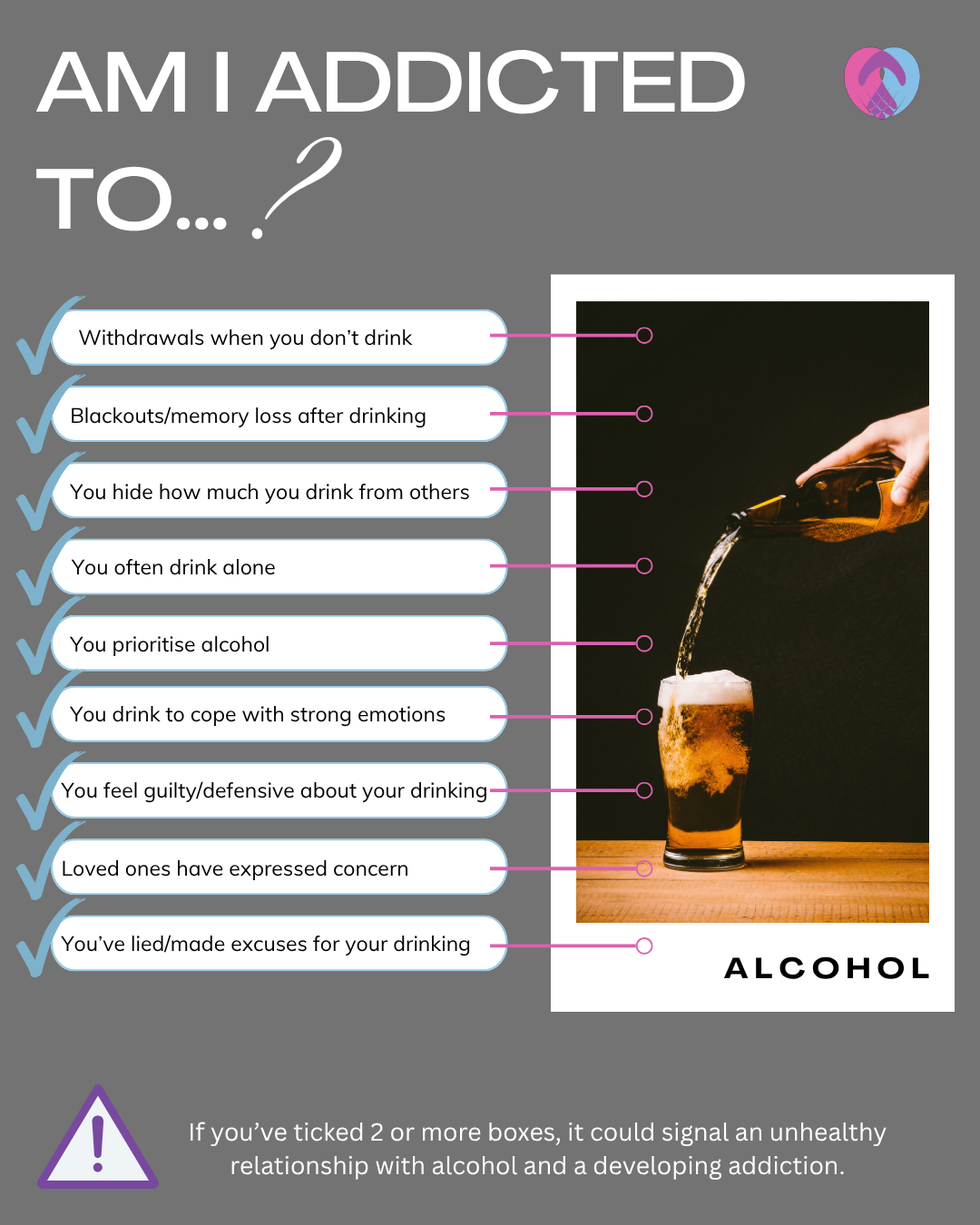
Alcohol addiction can develop gradually, often going unnoticed until it starts to affect health, relationships, work, or daily life. Left unchecked, it can lead to serious physical and mental health issues, financial strain, and social isolation. Recognising the early signs and seeking support is crucial because the sooner help is accessed, the better the chances of lasting recovery.
UKAT offers a range of services throughout our treatment pathway, designed to support anyone struggling with alcohol use, providing structured, professional care tailored to individual needs:
- Inpatient Rehab Programmes: For those whose drinking has become a serious concern, UKAT’s residential programmes offer medical support, therapy, and personalised recovery plans. These programmes provide a safe environment to focus fully on recovery. On top of your initial rehab programme, UKAT also offers the option to extend your stay in rehab for as long as you feel is necessary, through our secondary treatment programme.
- Aftercare and Alumni Support: Recovery doesn’t end when treatment finishes. UKAT’s aftercare services, including peer networks, sober living and ongoing counselling, help individuals maintain sobriety and navigate the challenges of everyday life.
- Confidential Guidance: The UKAT admissions team is available to provide compassionate, expert advice and help connect individuals with the right programme for their situation.
Alcohol addiction is a serious but treatable condition. UKAT’s experienced team is dedicated to guiding individuals toward recovery, providing support at every stage, and helping them build a healthier, more fulfilling life. You don’t have to face the risks of alcohol alone; help is available, and recovery is possible.
Practical Tips Around Alcohol Use for a Safer Christmas
Even if you don’t have concerns about addiction, there are ways to enjoy the festive season responsibly:
- Set Limits: Decide in advance how much you will drink and stick to it.
- Plan Alcohol-Free Days: Incorporating alcohol-free days each week can reduce overall consumption and give your body a break.
- Hydrate and Eat Well: Drinking water alongside alcohol and eating balanced meals can reduce negative effects like hangovers and dehydration.
- Reflect on Your Habits: Consider why and how you drink—keeping a journal or simply thinking about patterns can reveal important insights.
- Stay Socially Connected: Celebrate with supportive friends or family who respect your limits and choices.
These simple strategies are effective at reducing the risks associated with alcohol while still allowing you to enjoy the season.
Spreading awareness within your family or community can also make a difference. Conversations about alcohol, its effects, and safe consumption strategies encourage healthier habits and reduce the stigma around seeking support.
Alcohol Addiction Symptoms
Be Aware of the Dangers of Alcohol This Christmas
Christmas is meant to be a joyful and memorable time. By approaching alcohol consumption with awareness, moderation, and knowledge of available support, you can enjoy the holidays without compromising your health. Whether it’s recognising patterns, seeking advice, or accessing professional support, every small step counts toward a safer and happier festive season.
Use this page to explore facts, expert insights, statistics, and guidance. And remember, seeking help is always an option. One conversation, one appointment, or one small change can make a lasting difference.