



Spotlight on LSD: Insight, Statistics and Guidance
The Christmas period often brings relaxation, creativity, and a sense of adventure, moments where people seek new experiences. For some, that curiosity extends to substances like LSD, a powerful hallucinogen known for its mind-altering effects. While LSD is sometimes viewed as a “safe” or enlightening drug, it’s important to separate perception from reality and understand both the mental and physical impact it can have.
This Christmas, we are shining a spotlight on LSD, offering a wealth of insights, from expert perspectives and statistics to cost comparisons and key signs of addiction.
Understanding LSD and Its Effects
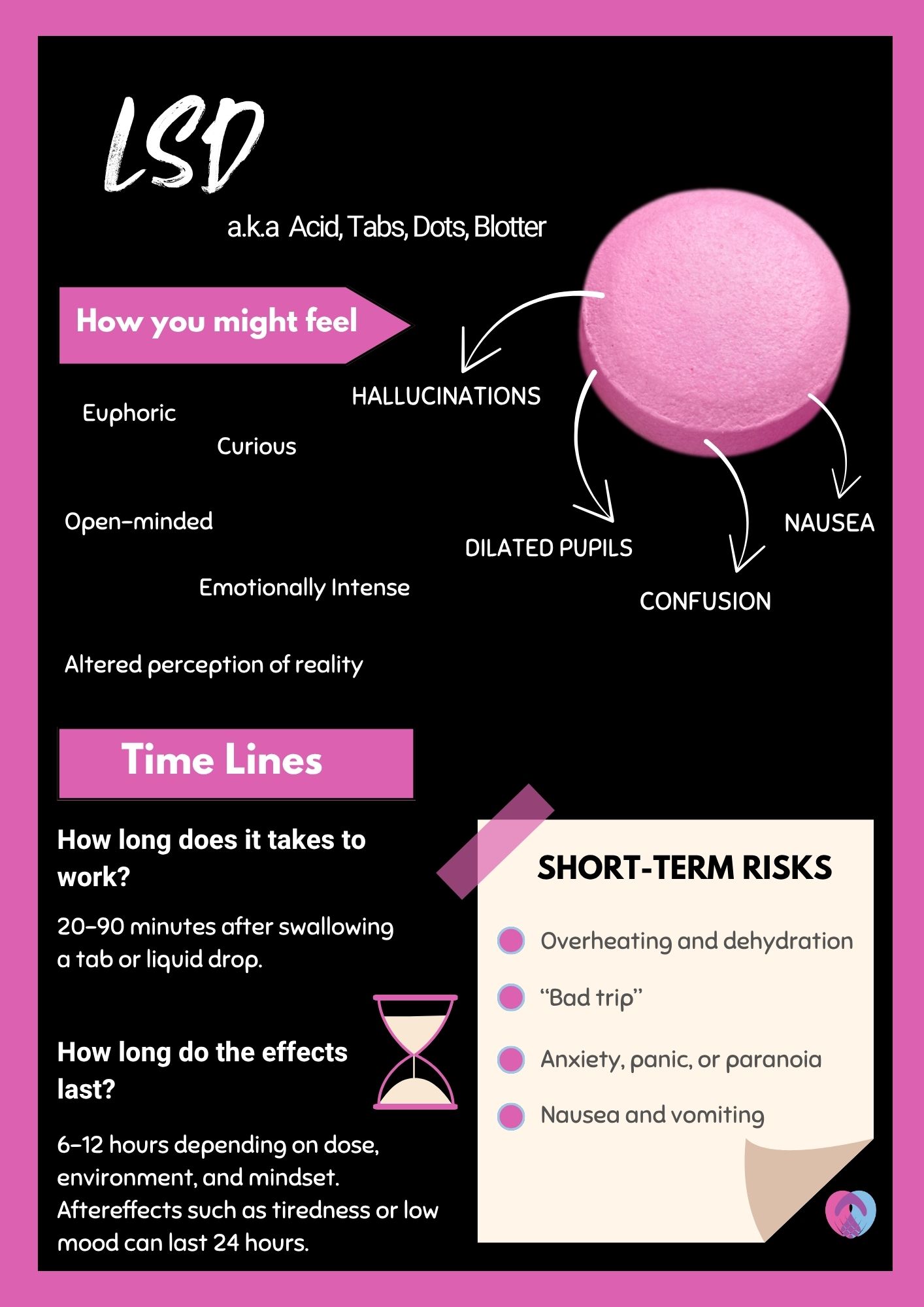
LSD (lysergic acid diethylamide) is a synthetic hallucinogen derived from the ergot fungus. It’s typically sold in small tabs, blotter paper, or liquid form and is ingested orally. Even in tiny doses, LSD can produce profound alterations in perception, mood, and thought.
LSD primarily affects serotonin receptors in the brain, which play a role in mood, cognition, and perception. While some users seek euphoric or creative experiences, the effects are unpredictable and can be intense.
Common effects include:
- Visual and auditory hallucinations
- Altered sense of time and space
- Intensified emotions and mood swings
- Impaired judgment and coordination
- Increased heart rate, blood pressure, and body temperature
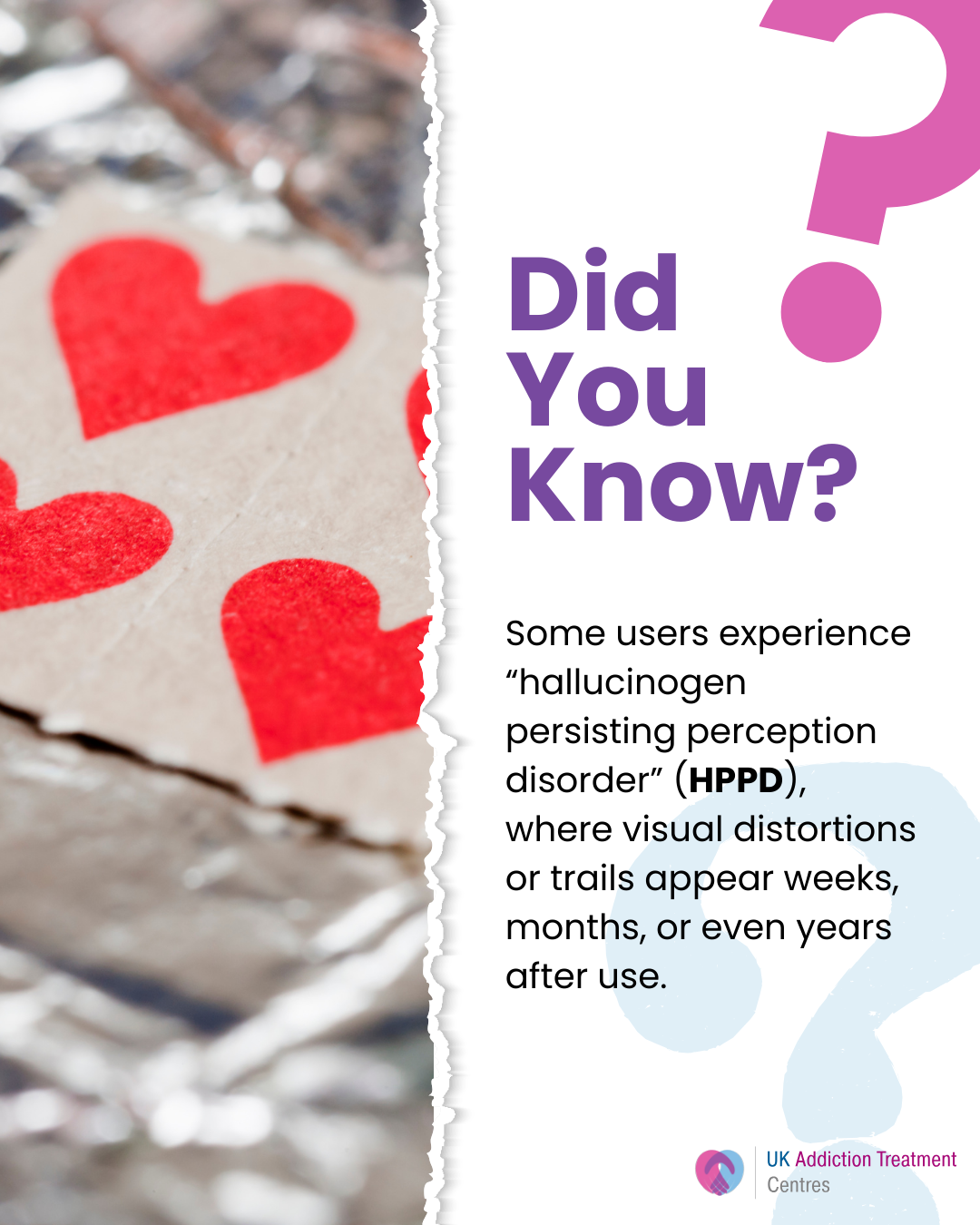
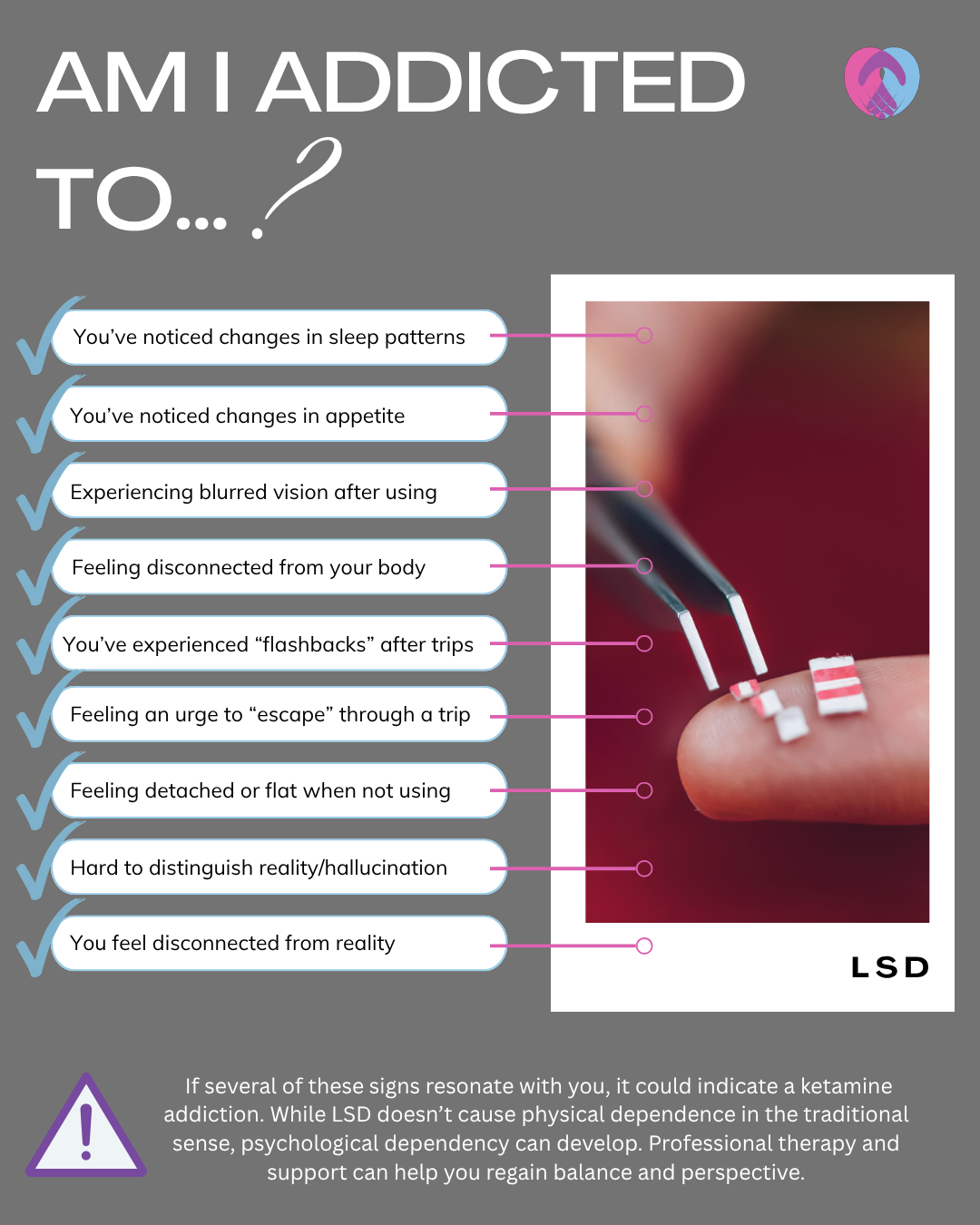
While LSD is not considered physically addictive, it can lead to psychological dependence, and repeated or high-dose use can trigger anxiety, paranoia, or persistent perceptual changes.
Did You Know This About LSD?
The Psychological and Emotional Costs of LSD Use
Many assume LSD is harmless because it’s non-addictive in the traditional sense, but the risks are serious.
- Emotional Impact: Bad trips or unpredictable effects can lead to intense fear, panic, and anxiety. Long-term use can exacerbate underlying mental health conditions.
- Cognitive Effects: LSD can impair concentration, decision-making, and memory in the short term, and in rare cases contribute to ongoing perceptual disturbances.
- Mental Health Risks: Individuals with a personal or family history of psychosis or severe anxiety may be at higher risk of developing lasting mental health challenges.
While the drug may feel like an escape or enhancement, the psychological effects can be profound and sometimes dangerous.
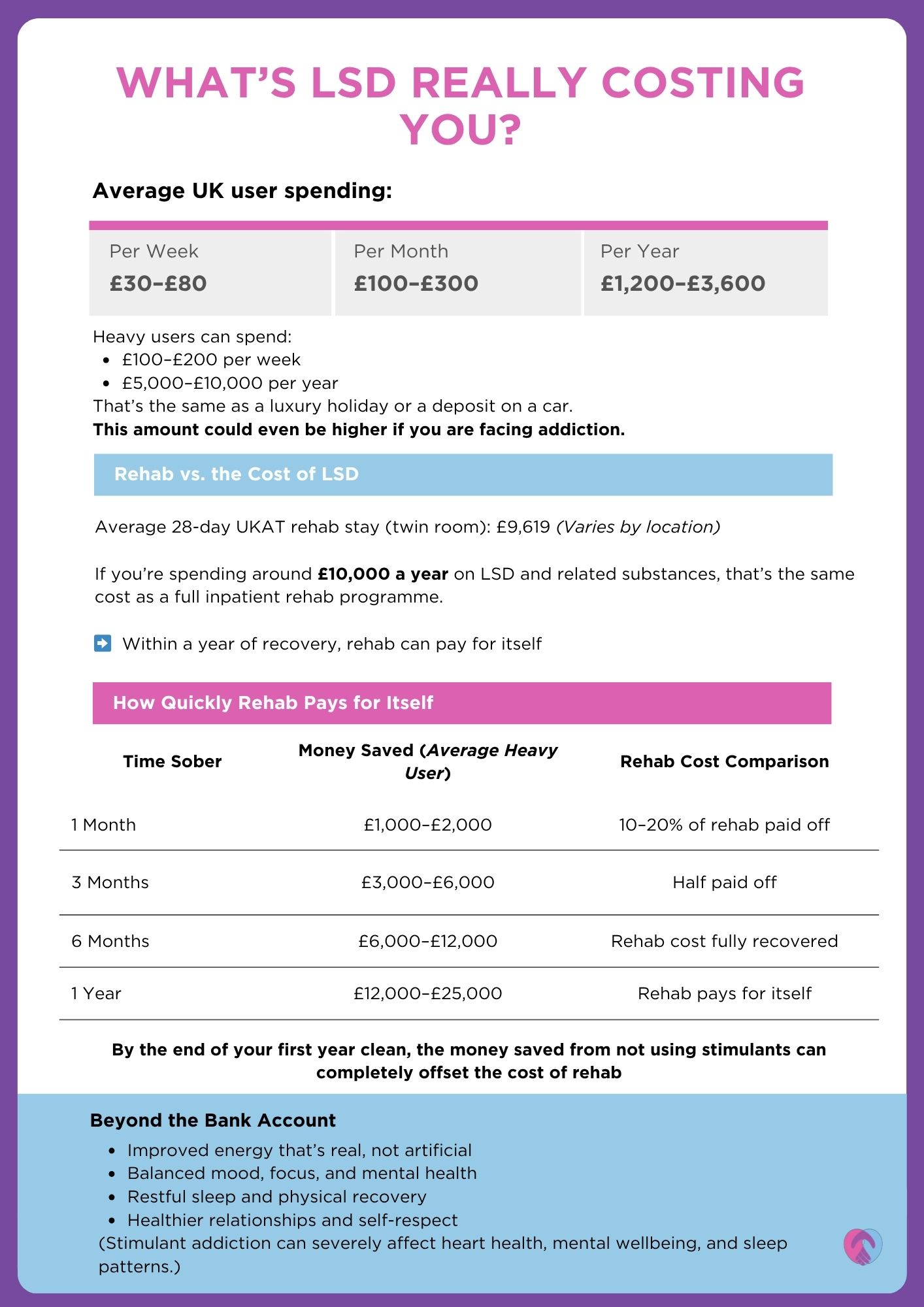
What is the True Cost of LSD?
Why Christmas Can Be a Risk Period for LSD Abuse
The festive season can intensify both curiosity and vulnerability. Factors that increase risk include:
- Social Pressure: Parties and gatherings may normalise substance use.
- Emotional Strain: Holiday stress, isolation, or family tension can drive experimentation.
- Unfamiliar Environments: New settings, travel, or unpredictable situations can amplify LSD’s effects.
- Mixing Substances: Combining LSD with alcohol or other drugs can heighten confusion and danger.
Being mindful of triggers, intentions, and surroundings is key to reducing the potential for harm.
LSD Facts
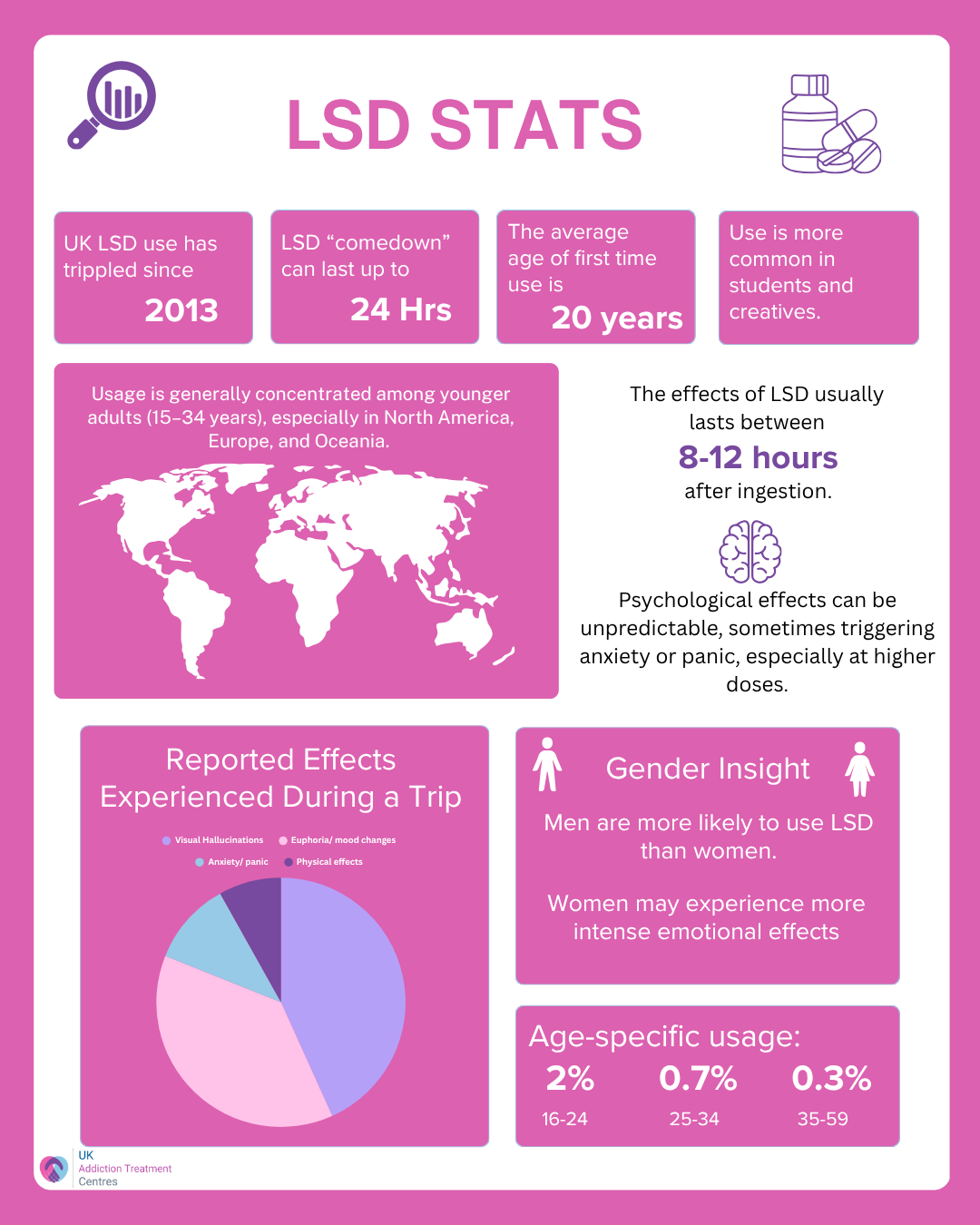
LSD Statistics
Recognising Harmful LSD Use
Although LSD is often taken infrequently, certain patterns may indicate risk or emerging problems:
- Experiencing repeated “bad trips” or distressing hallucinations
- Using LSD to escape emotional pain or stress regularly
- Difficulty functioning or making decisions after use
- Heightened anxiety, paranoia, or depression in between trips
If these patterns are familiar, reflecting on usage and seeking professional guidance is important.
How UKAT Can Help With LSD Addiction
At UKAT, we understand that addiction to hallucinogens like LSD can create complex psychological challenges, whether through acute distress, trauma, or misuse. Our team provides personalised care to help individuals regain balance and mental clarity.
Our treatment pathway for LSD rehab includes:
- Therapeutic Support: Evidence-based therapies such as CBT, DBT and mindfulness to manage anxiety, trauma, and mood disturbances.
- Holistic Recovery: Meditation, art therapy, and other practices to support emotional regulation and self-expression.
- Aftercare and Alumni Network: Guidance, peer support, and resources to maintain wellbeing and avoid relapse.
Education: Providing clear, factual information on substances to empower safer decision-making.
Even occasional LSD use can leave lasting psychological effects, UKAT supports individuals to process these experiences safely and rebuild confidence.
Practical Tips Around Avoiding LSD Abuse for a Safer Festive Season
Whether experimenting occasionally or aiming to avoid substances entirely, awareness and preparation can protect your wellbeing:
- Set and Setting: Only use in safe, familiar environments with trusted companions.
- Avoid Mixing Substances: LSD combined with alcohol or other drugs can be unpredictable.
- Start Low, Go Slow: If experimenting, smaller doses reduce the risk of overwhelming effects.
- Monitor Mental Health: Take breaks and seek help if anxiety, paranoia, or depression occur.
- Seek Support: Professional guidance can help process challenging experiences or reduce use safely.
Even small steps, like planning your environment or discussing intentions, can make a major difference in safety and wellbeing.
LSD Addiction Symptoms
Be Aware of the Dangers of LSD This Christmas
LSD is a powerful hallucinogen with unpredictable effects on perception, mood, and cognition. While often glamorised as “safe,” even occasional use carries risks, particularly for mental health.
This Christmas, awareness and balance are key. If you or someone you know is struggling with the effects of hallucinogens, UKAT provides expert, compassionate support to help regain control, clarity, and confidence.
Use this page to explore facts, expert insights, statistics, and guidance. And remember, seeking help is always an option. One conversation, one appointment, or one small change can make a lasting difference.