



Spotlight on Sleeping Pills: Insight, Statistics and Guidance
December is a month accompanied by late nights, early mornings, and a swirl of activity that can disrupt even the best sleep routines. For some, sleeping pills offer a quick solution, a way to get through restless nights. But what starts as occasional use can quickly become a sleeping pill dependence, with serious effects on both mental and physical health.
This Christmas, we are shining a spotlight on sleeping pills, offering a wealth of insights, from expert perspectives and statistics to cost comparisons and key signs of addiction.
Understanding Sleeping Pills and Their Effects
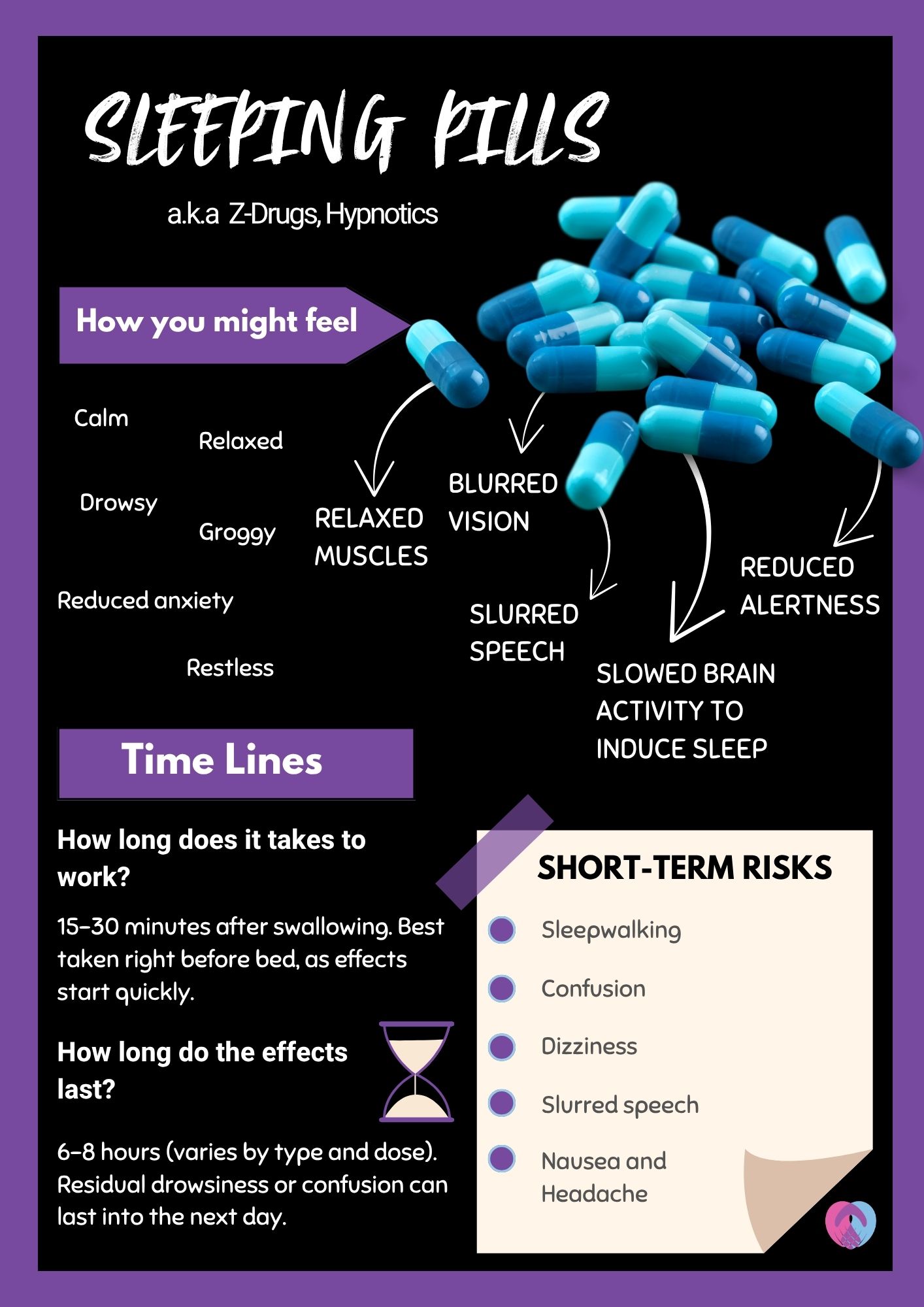
Sleeping pills are medications designed to help people fall asleep or stay asleep. Common types include Z-drugs (zolpidem, zopiclone), benzodiazepine-based sedatives, and certain prescription antihistamines. While effective for short-term insomnia, they aren’t intended for long-term use.
Sleeping pills work by slowing down the central nervous system, promoting relaxation and drowsiness. But they don’t address the underlying causes of sleep difficulties, whether stress, anxiety, disrupted routines, or other medical conditions.
Misuse can occur in several ways: taking higher doses than prescribed, combining with alcohol or other drugs, or relying on them night after night. Over time, tolerance develops, meaning the same dose becomes less effective, and withdrawal symptoms such as anxiety, insomnia, or irritability can appear when stopping abruptly.
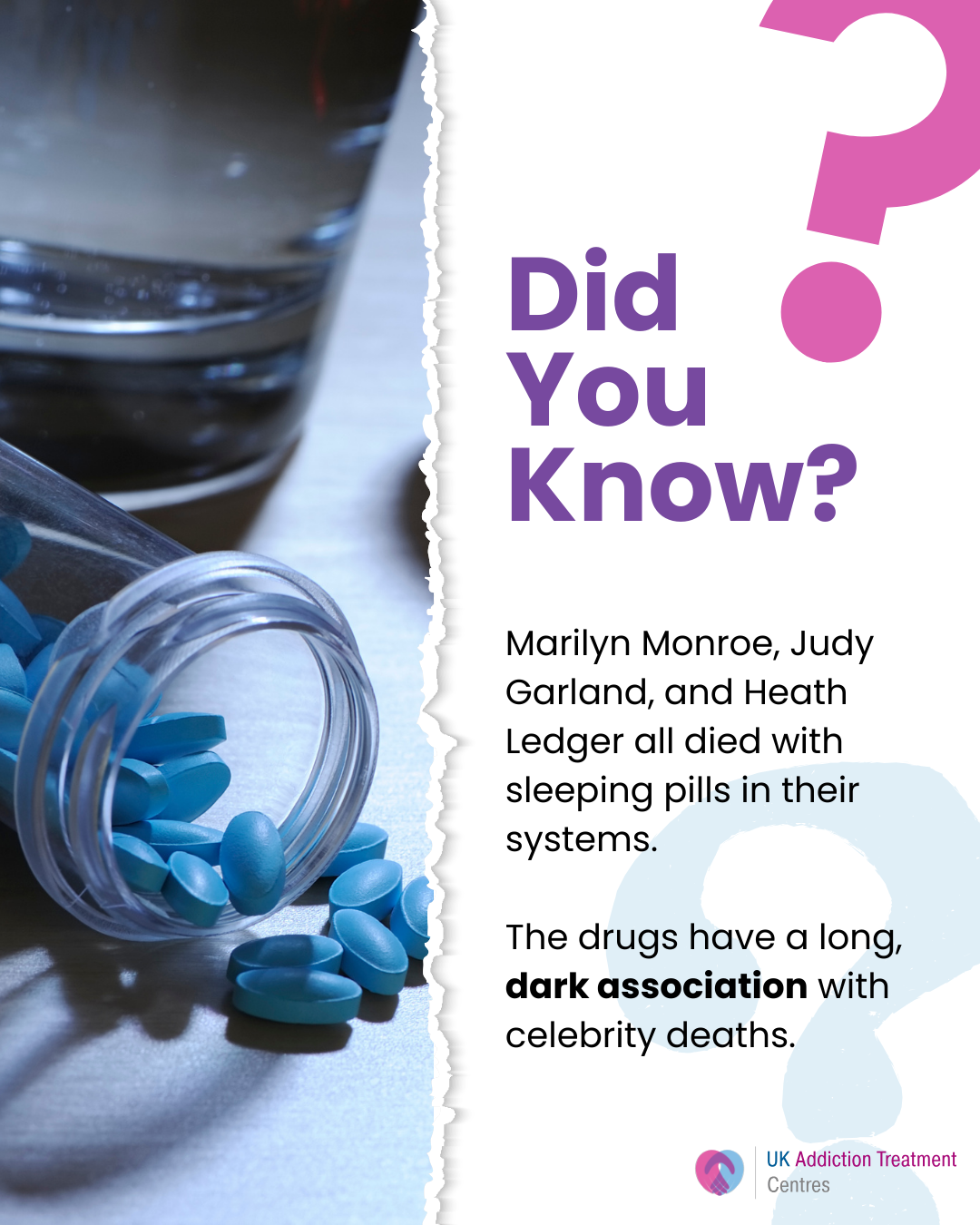
Did You Know This About Sleeping Pills?
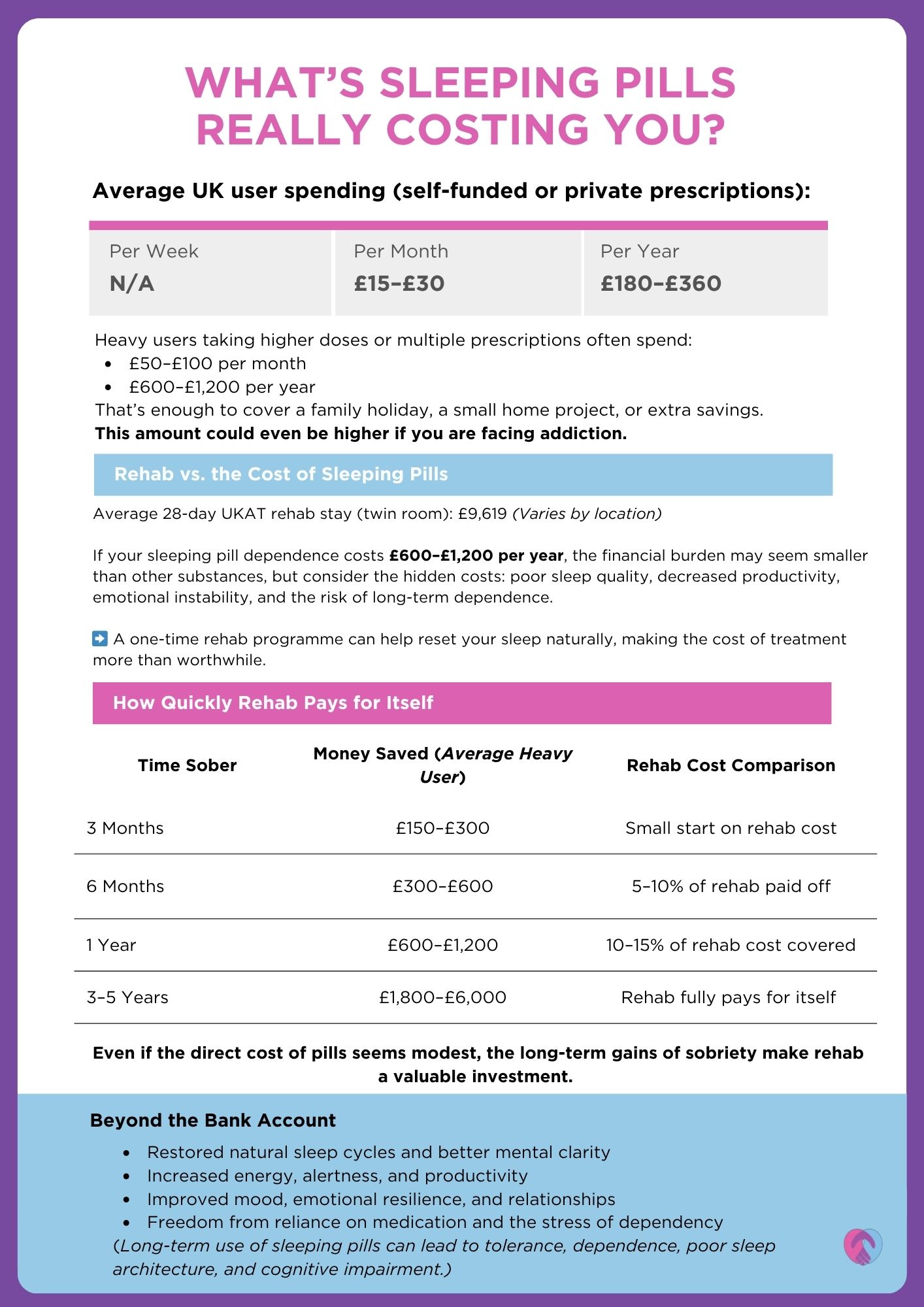
The Financial and Emotional Cost of Sleeping Pill Dependence
Although sleeping pills are legally prescribed, dependence can develop quickly. Regular reliance often leads to emotional and cognitive consequences:
- Feeling unable to sleep without medication
- Memory problems or daytime drowsiness
- Reduced alertness or coordination
- Emotional blunting or irritability
Financially, costs may include doctor visits, repeat prescriptions, or seeking alternative therapies when pills stop working effectively. The bigger cost, however, is the impact on quality of life; missing work, strained relationships, and anxiety about sleep itself.
Recognising these risks early can prevent long-term harm and help individuals regain natural sleep patterns without reliance on medication.
What is the True Cost of Sleeping Pills?
Why Christmas Can Be a Vulnerable Time for Sleeping Pill Abuse
The festive period presents several challenges for those using sleeping pills:
- Disrupted Routines: Late nights, travel, and social commitments can trigger insomnia, prompting more frequent use.
- Alcohol Consumption: Drinking can interfere with sleep and, when combined with sedatives, can dangerously amplify effects.
- Stress and Anxiety: Family pressures, financial concerns, or loneliness can increase reliance on medication to cope with sleepless nights.
- Social Isolation: Those alone over the holidays may use sleeping pills as a coping mechanism to manage anxiety or emotional distress.
Awareness of these triggers allows individuals to maintain control and avoid unintended escalation of use.
Sleeping Pills Facts
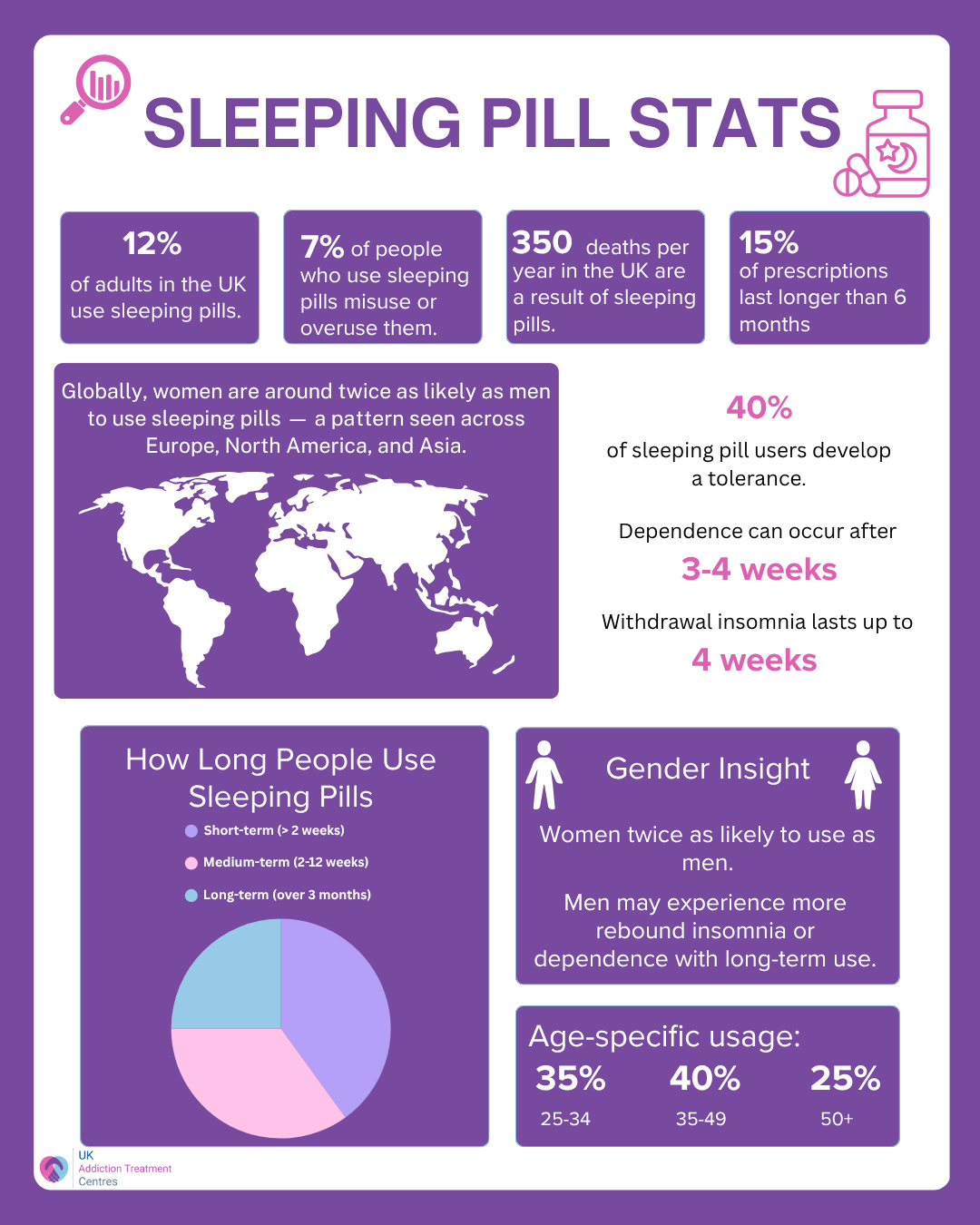
Sleeping Pills Statistics
Recognising the Risks of Sleeping Pill Addiction and How UKAT Can Help
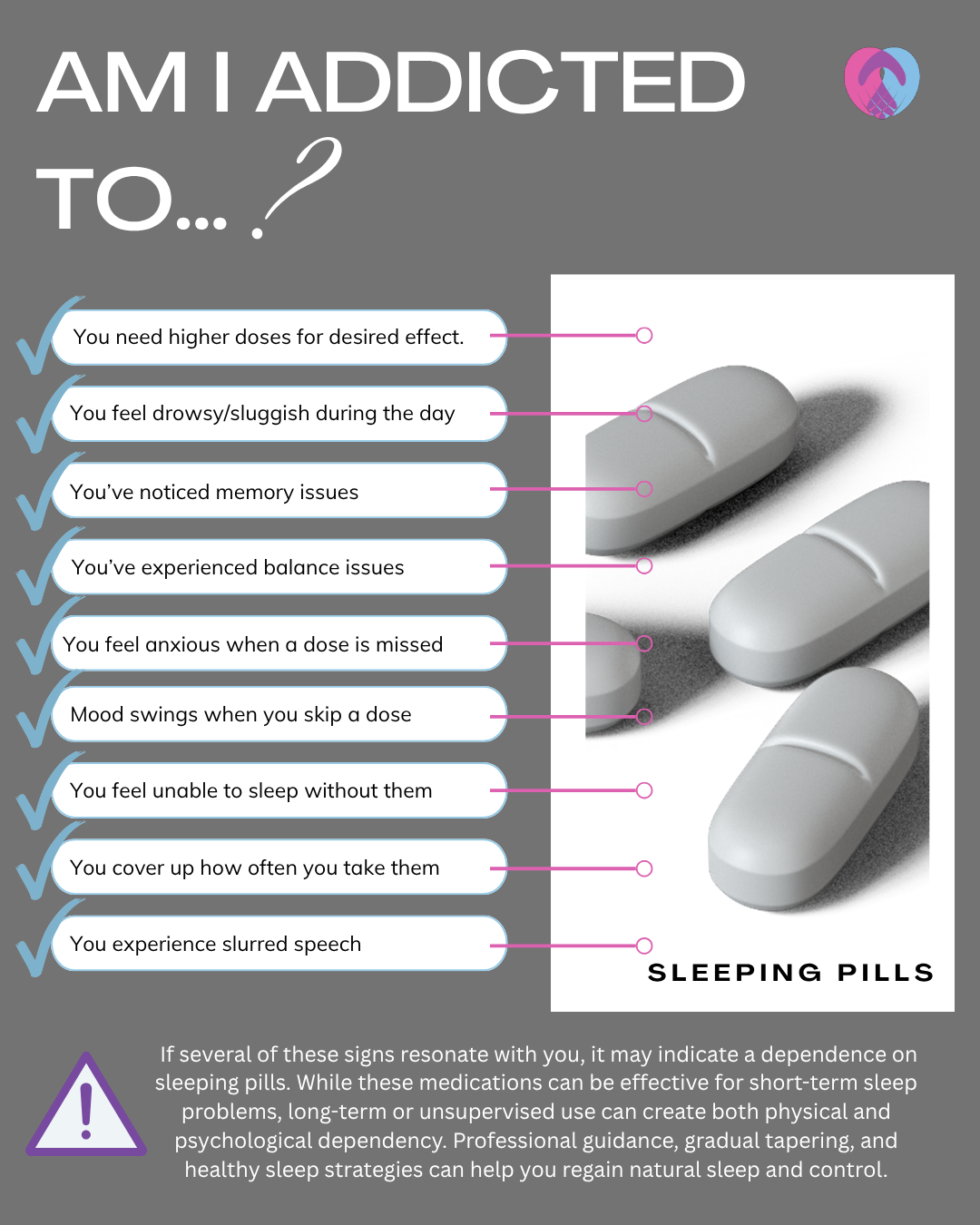
Dependence on sleeping pills can develop quietly, often without the user realising the extent of the problem. Some signs include:
- Needing higher doses for the same effect
- Trouble sleeping without medication
- Mixing pills with alcohol or other addictive drugs
- Experiencing anxiety, irritability, or panic when skipping doses
UKAT provides expert support for individuals struggling with sleeping pill dependence, helping them safely withdraw and regain natural sleep patterns while addressing underlying emotional or mental health issues.
The services we provide throughout our treatment pathway for sleeping pill rehab include:
- Medical Sleeping Pill Detox: Safe withdrawal under professional care, reducing discomfort and risk.
- Therapeutic Support: CBT, counselling, and group therapy are provided throughout both primary care and secondary care to address anxiety, stress, or trauma contributing to sleep difficulties.
- Aftercare and Alumni Programmes: Continued support to maintain healthy sleep habits, prevent relapse, and restore overall wellbeing.
Recovery from sleeping pill dependence is possible, and early intervention improves both safety and long-term outcomes.
Practical Tips Around Sleeping Pill Use for a Safer Festive Season
To reduce risk while maintaining healthy sleep during the holidays:
- Stick to Prescribed Doses: Never increase medication without consulting a healthcare professional.
- Avoid Mixing with Alcohol: Sedatives combined with alcohol can be life-threatening.
- Maintain Sleep Hygiene: Create a dark, quiet environment, reduce screen time, and establish a consistent bedtime routine.
- Address Underlying Stress: Mindfulness, relaxation exercises, and talking to trusted friends or professionals can reduce reliance on medication.
- Seek Help Early: If sleeping pills feel necessary every night, reach out to a professional rather than self-managing.
Even small adjustments can protect both physical and mental health while keeping festive nights restful and safe.
Sleeping Pill Addiction Symptoms
Be Aware of the Dangers of Sleeping Pills This Christmas
Sleeping pills may promise relief from restless nights, but dependence comes with hidden costs to health, relationships, and emotional wellbeing. This Christmas, awareness and professional guidance are key.
If you or someone you care about is struggling with sleeping pill use or dependency, UKAT offers confidential, compassionate support to guide you safely through withdrawal, therapy, and long-term recovery.
Use this page to explore facts, expert insights, statistics, and guidance. And remember, seeking help is always an option. One conversation, one appointment, or one small change can make a lasting difference.