



Spotlight on Antidepressants: Insight, Statistics and Guidance
As the year winds down and the Christmas season officially begins, many people find themselves reflecting on their mental health. For some, antidepressants have become a lifeline; a stabilising force that helps manage depression, anxiety, or other mental health conditions. For others, the holidays can bring confusion or even stigma around medication use, especially when alcohol or social pressure enters the mix.
This Christmas, we are shining a spotlight on antidepressants, offering a wealth of insights, from expert perspectives and statistics to cost comparisons and key signs of addiction.
Understanding Antidepressants
Antidepressants are medications designed to help balance the chemicals in the brain that affect mood and emotion, such as serotonin, dopamine, and noradrenaline. They can be life-changing for those struggling with depression, anxiety disorders, obsessive-compulsive disorder (OCD), or post-traumatic stress disorder (PTSD).
However, antidepressants aren’t a “quick fix.” They work gradually, and effectiveness can vary depending on the individual, type of medication, and dosage. Common types include:
- SSRIs (Selective Serotonin Reuptake Inhibitors) such as sertraline, fluoxetine, and citalopram
- SNRIs (Serotonin-Noradrenaline Reuptake Inhibitors) such as venlafaxine and duloxetine
- Tricyclic antidepressants (TCAs) and MAOIs, typically prescribed when first-line treatments are ineffective
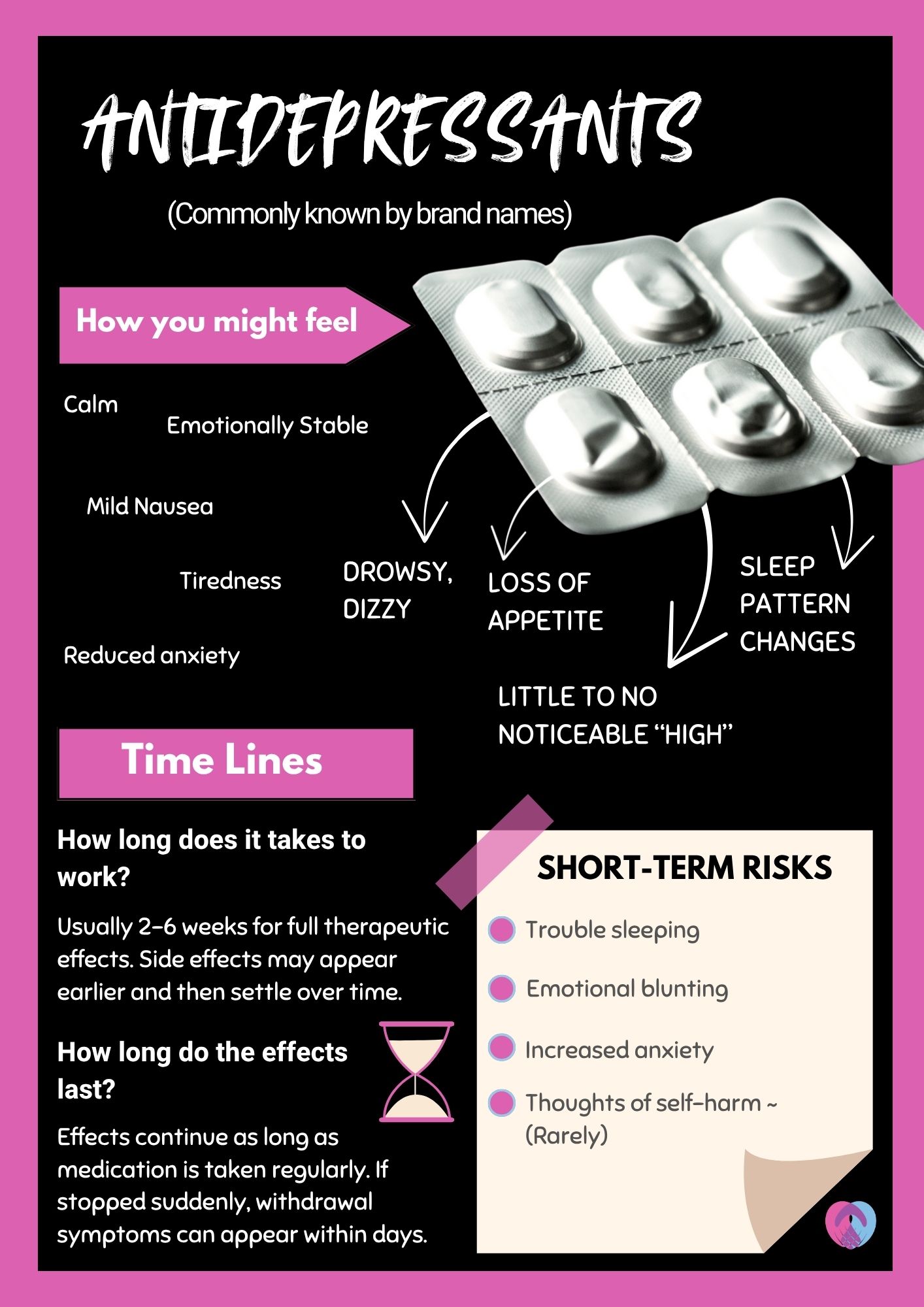
While antidepressants can improve mood stability, focus, and overall wellbeing, they can also cause side effects; from mild (nausea, sleep changes, headaches) to more disruptive symptoms like emotional numbness or reduced libido. Adjusting medication should always be done under medical supervision.
Understanding what antidepressants can and cannot do helps remove stigma and encourages responsible, informed use.
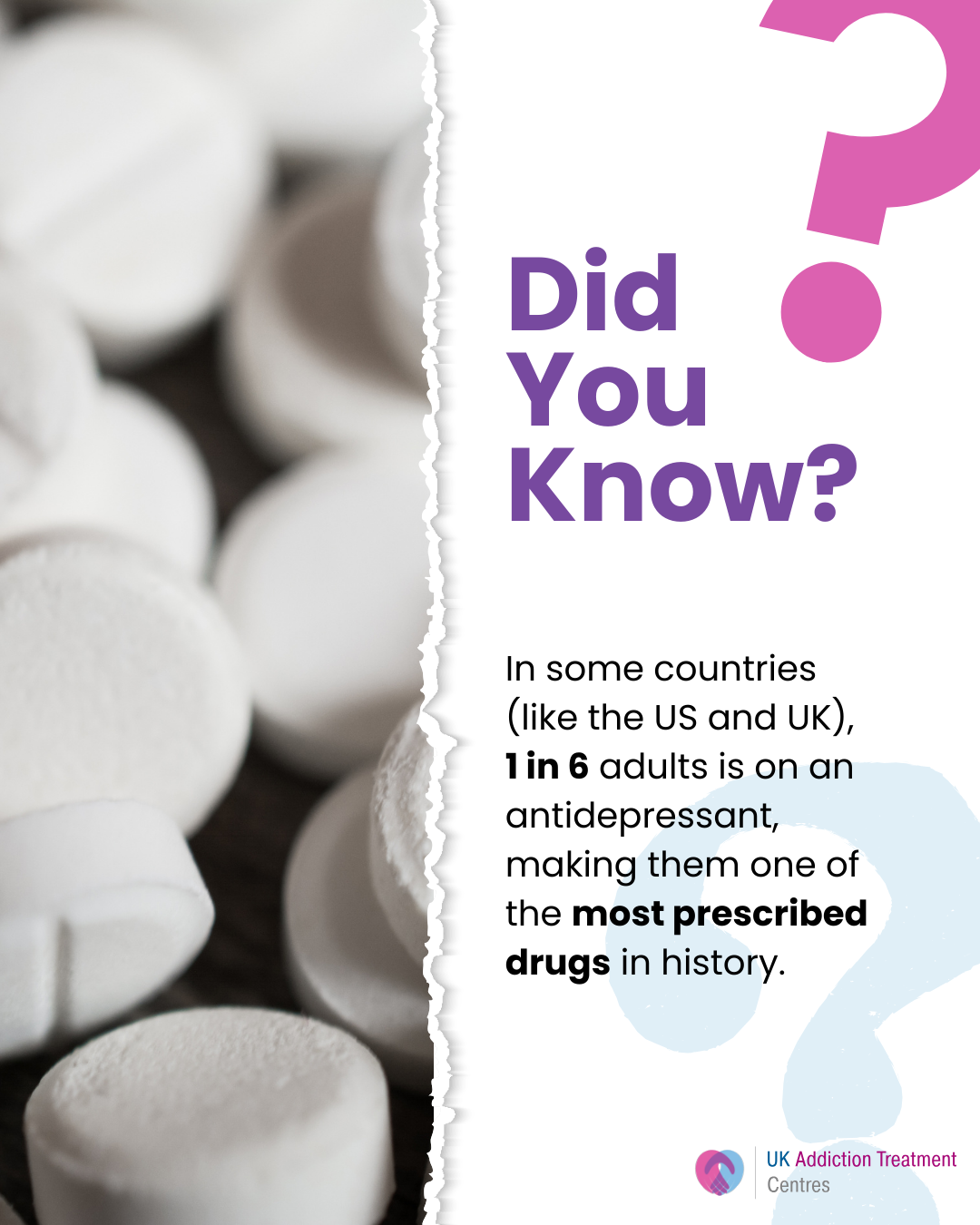
Did You Know This About Antidepressants?
The Financial and Emotional Reality of Medication
Antidepressants are often viewed as purely medical, but their impact reaches beyond mental health. The cost of unmanaged depression, in lost workdays, strained relationships, and reduced quality of life, far outweighs the financial or emotional investment of seeking professional help and following treatment.
However, not all antidepressant journeys are smooth. Some people stop taking their medication abruptly, either because they feel better or due to side effects. This can trigger withdrawal symptoms or relapse, leading to emotional instability, anxiety spikes, or physical discomfort.
The message is simple: consistency and medical guidance are crucial. Antidepressants work best as part of a broader approach that includes therapy, lifestyle changes, and ongoing support.
What is the True Cost of Antidepressants?

Why Christmas Can Be a Difficult Period With Antidepressant Abuse
The holidays are portrayed as joyful, but for many, they magnify emotional strain. Those on antidepressants may feel pressure to appear cheerful, avoid questions about their mental health, or even consider stopping medication to “feel more natural” for social events. These decisions can be risky.
Some common challenges include:
- Mixing with Alcohol: Combining antidepressants with alcohol can reduce medication effectiveness, worsen depression, and cause dangerous side effects such as drowsiness, dizziness, or increased impulsivity.
- Increased Stress or Isolation: Family tensions, financial strain, or loneliness can trigger setbacks in recovery or medication adherence.
- Interrupted Routines: Travel, late nights, or forgotten doses can interfere with stable treatment schedules.
Recognising these risk factors helps protect mental stability during a season that often tests emotional resilience.
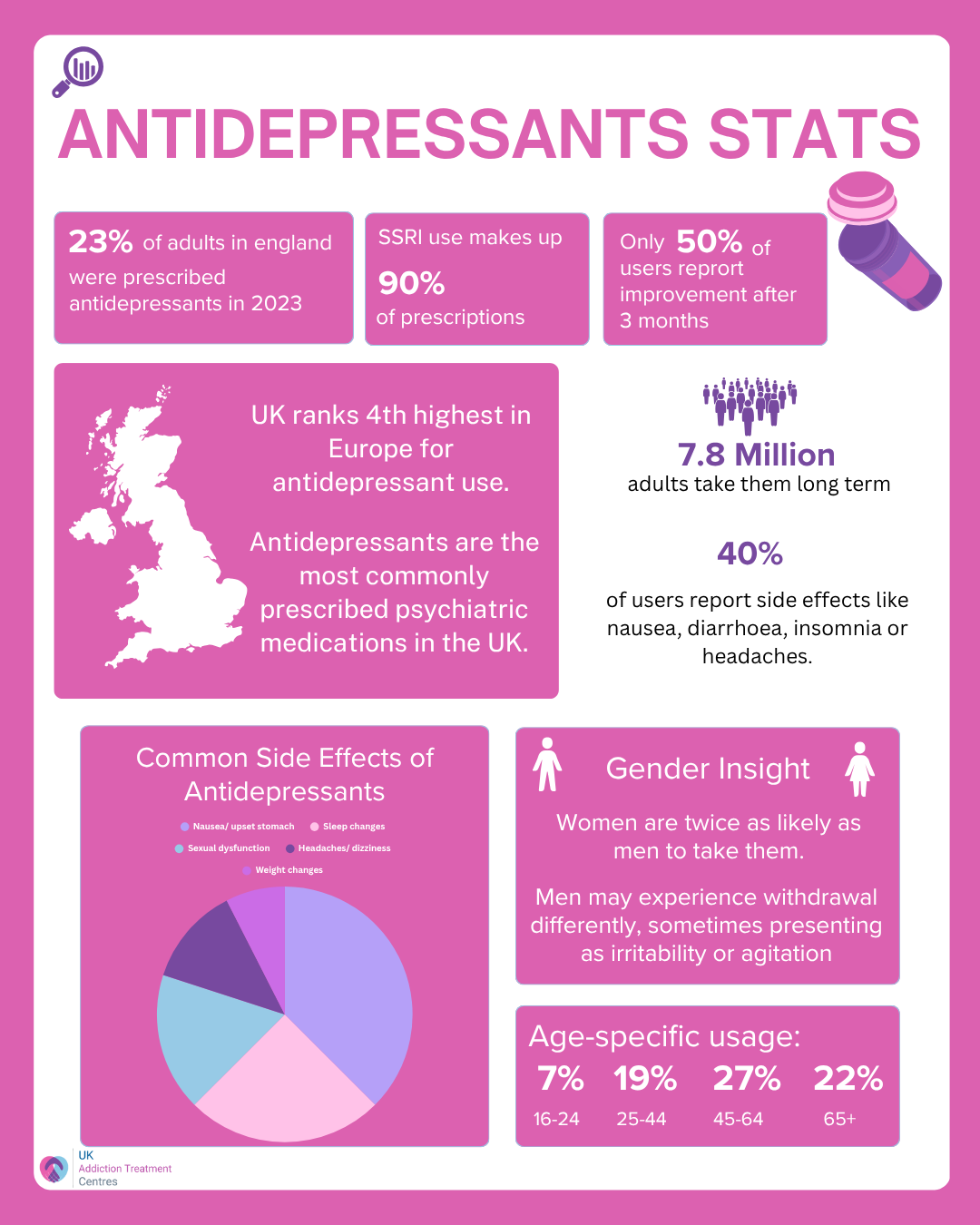
Antidepressant Facts
Antidepressant Statistics
Recognising Antidepressant Dependence and the Importance of Professional Support
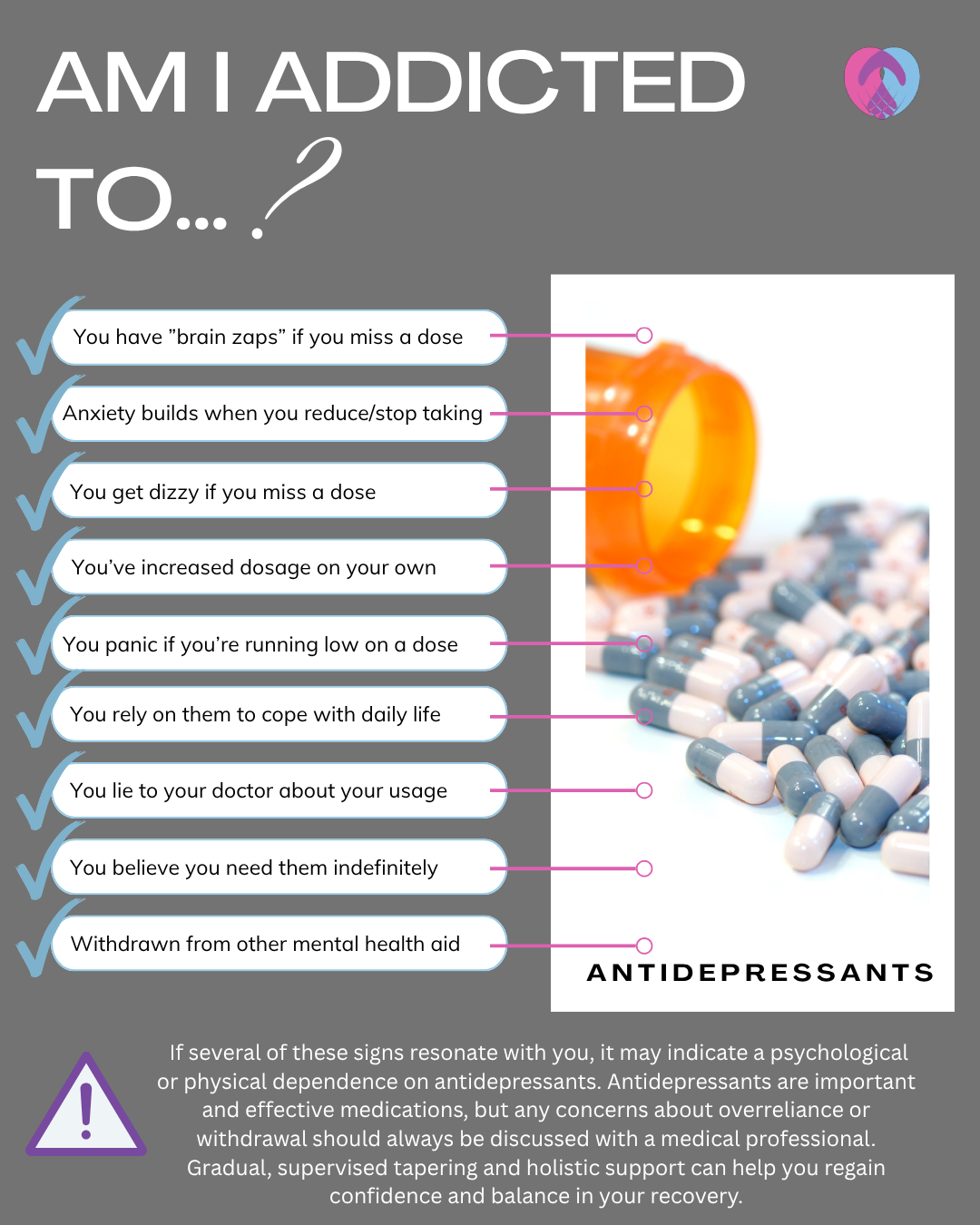
Antidepressants themselves are not typically addictive in the same way as substances like alcohol or cocaine, but antidepressant dependence can develop in a psychological sense. Some individuals feel they can’t function without their medication, while others misuse antidepressants in an attempt to self-medicate anxiety, sleep issues, or emotional pain.
Equally concerning is when antidepressant use overlaps with recreational drug or alcohol misuse, a combination that can dangerously alter brain chemistry and increase suicidal thoughts or erratic behaviour.
UKAT offers expert, compassionate care for those struggling with antidepressant misuse, dual diagnosis (mental health and substance use), or withdrawal difficulties. The services we provide during our therapeutic pathway include:
- Medically Supported Detox: Safe withdrawal management under medical observation for individuals who have developed dependency or are mixing substances.
- Therapeutic Programmes: During primary and secondary care programmes, therapies are crucial for addressing the root causes of mental distress through counselling, group therapy, and trauma-informed care.
- Aftercare and Alumni Support: Long-term guidance to maintain emotional balance, medication stability, and recovery goals.
Getting help doesn’t mean failure, it means prioritising health and healing.
Practical Tips Around Antidepressant Use for a Safer, Healthier Festive Season
If you’re taking antidepressants this Christmas, or supporting someone who is, a few mindful steps can make a big difference:
- Stay Consistent: Take medication as prescribed. Skipping or doubling doses can destabilise your progress.
- Avoid Mixing with Alcohol: Alcohol is a depressant and can counteract medication, often worsening low moods.
- Communicate with Your GP or Therapist: If you’re struggling with side effects or increased emotional distress, speak to a professional before making changes.
- Maintain Routines: Sleep, nutrition, and physical activity are powerful stabilisers for both mood and medication effectiveness.
- Reach Out for Support: Whether through family, friends, or a recovery community, connection helps protect mental wellbeing.
Small, intentional actions can prevent setbacks and promote lasting stability.
Antidepressant Addiction Symptoms
Be Aware of the Dangers of Antidepressant Misuse This Christmas
Christmas should be a time of care, for others, yes, but also for yourself. Antidepressants can be an important part of that care when used responsibly and with professional support.
If you or someone you know is struggling with antidepressant use, mental health challenges, or substance misuse alongside medication, help is available. UKAT provides confidential, compassionate support to help you regain balance and build a stronger foundation for the year ahead.
Use this page to explore facts, expert insights, statistics, and guidance. And remember, seeking help is always an option. One conversation, one appointment, or one small change can make a lasting difference.