



Spotlight on Codeine: Insight, Statistics and Guidance
The festive period often brings relaxation, comfort, and social gatherings, moments when some may reach for over-the-counter or prescription medications to manage pain, stress, or sleeplessness. Among these, codeine, a widely used opioid, is often seen as safe or routine. Yet codeine carries significant risks of dependence and misuse that are easy to overlook.
This Christmas, we are shining a spotlight on codeine, offering a wealth of insights, from expert perspectives and statistics to cost comparisons and key signs of addiction.
Understanding Codeine and Its Effects
Codeine is a prescription opioid commonly found in painkillers and cough syrups. It works by binding to opioid receptors in the brain, reducing pain perception and sometimes producing mild euphoria.
When used as directed, codeine can be an effective short-term solution for pain relief. However, misuse or prolonged use, even with over-the-counter products, can lead to tolerance, dependence, and a range of physical and mental health problems.
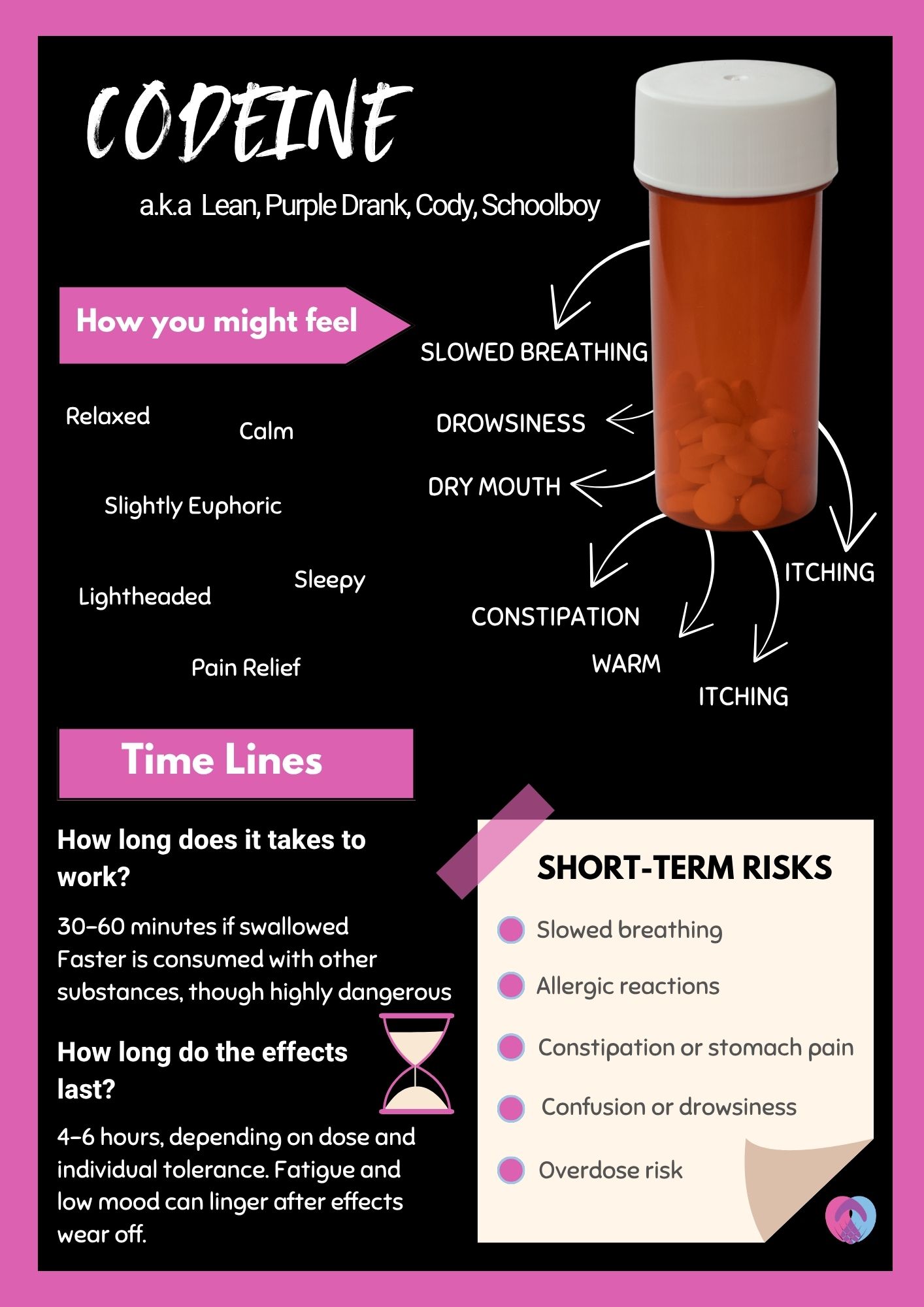
Common effects include:
- Pain relief and mild sedation
- Euphoria or a sense of calm
- Drowsiness and slowed reaction time
- Constipation and nausea
- Impaired concentration and memory
While codeine may feel comforting or calming in the moment, repeated use can quickly lead to dependency and withdrawal symptoms if use is reduced or stopped.
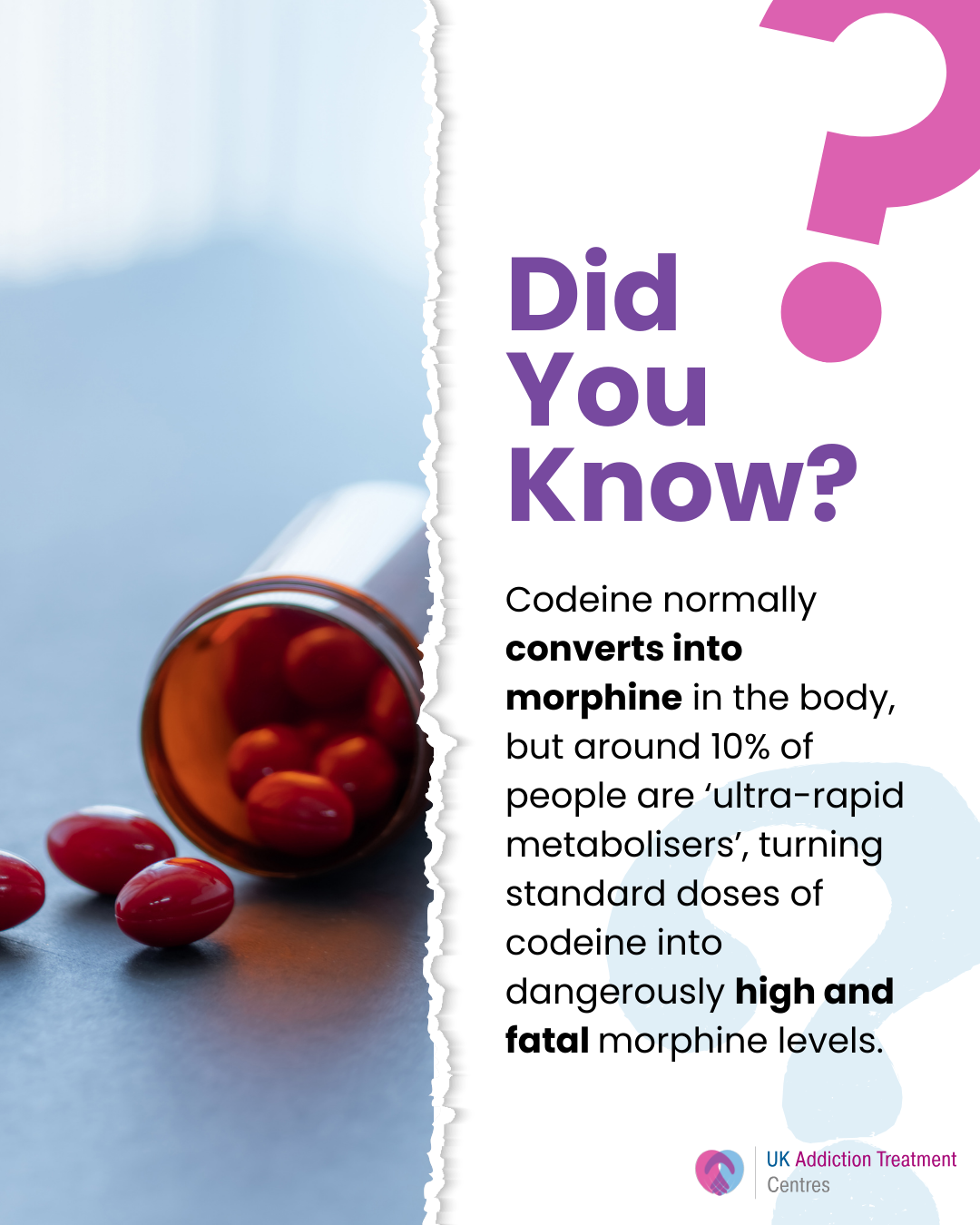
Did You Know This About Codeine?
The Financial and Emotional Cost of Codeine Use
Codeine misuse can escalate subtly, often because it’s legally accessible and socially perceived as low-risk. However, the consequences can be significant:
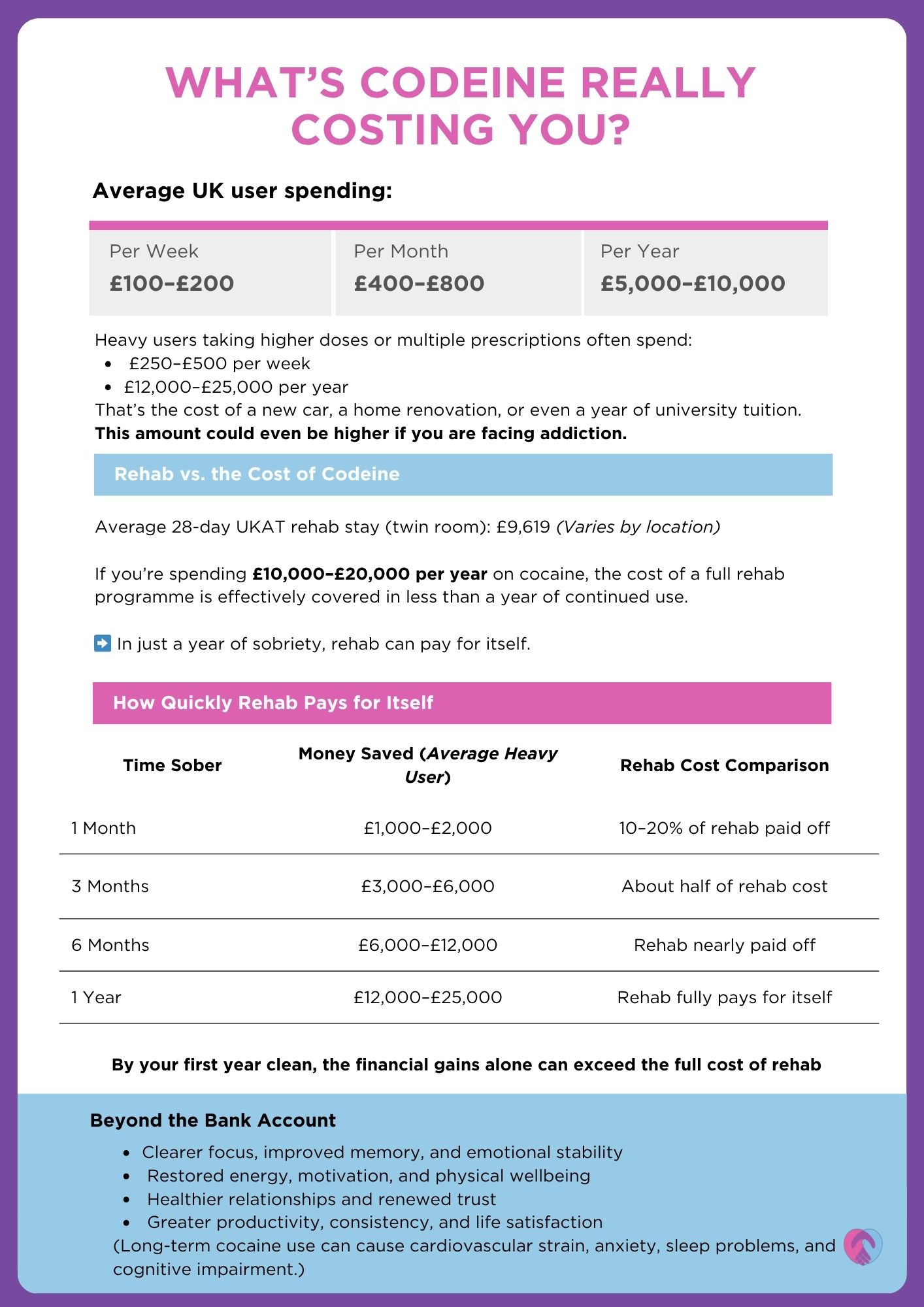
- Financial Costs: Regular use can lead to repeated prescription refills or black-market purchases, creating unexpected expenses.
- Emotional Impact: Dependence can isolate individuals, affect relationships, and increase anxiety or low mood.
- Physical Health Risks: Long-term use can damage the liver (especially when combined with paracetamol), disrupt sleep, and cause chronic constipation.
- Mental Health Risks: Anxiety, depression, and irritability are common among those developing a psychological reliance on codeine.
Even moderate misuse can create a cycle where the drug intended to relieve discomfort ends up creating new problems.
What is the True Cost of Codeine?
Why Christmas Can Be a Risk Period for Codeine Abuse
The festive season presents unique challenges for those using codeine or at risk of misuse:
- Stress and Emotional Strain: Family tensions, loneliness, or work pressures may increase reliance on medication for relief.
- Availability: Extra painkillers in the home over the holidays can make misuse easier.
- Disruption to Routine: Time away from regular medical supervision or daily structure can trigger overuse.
- Social Influence: Friends or relatives may inadvertently normalise casual misuse.
Being aware of these factors helps maintain balance and prevents dependence from taking hold.
Codeine Facts
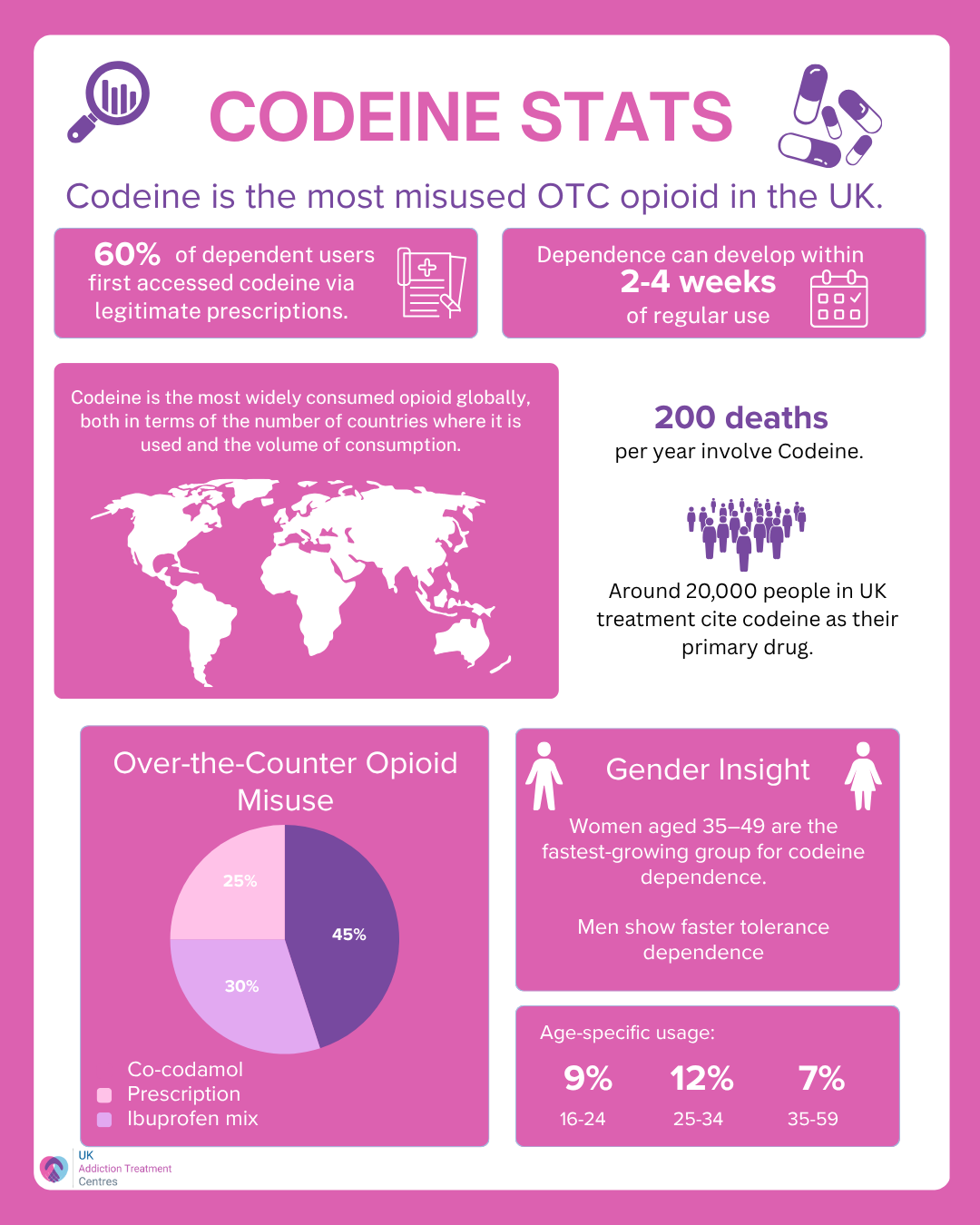
Codeine Statistics
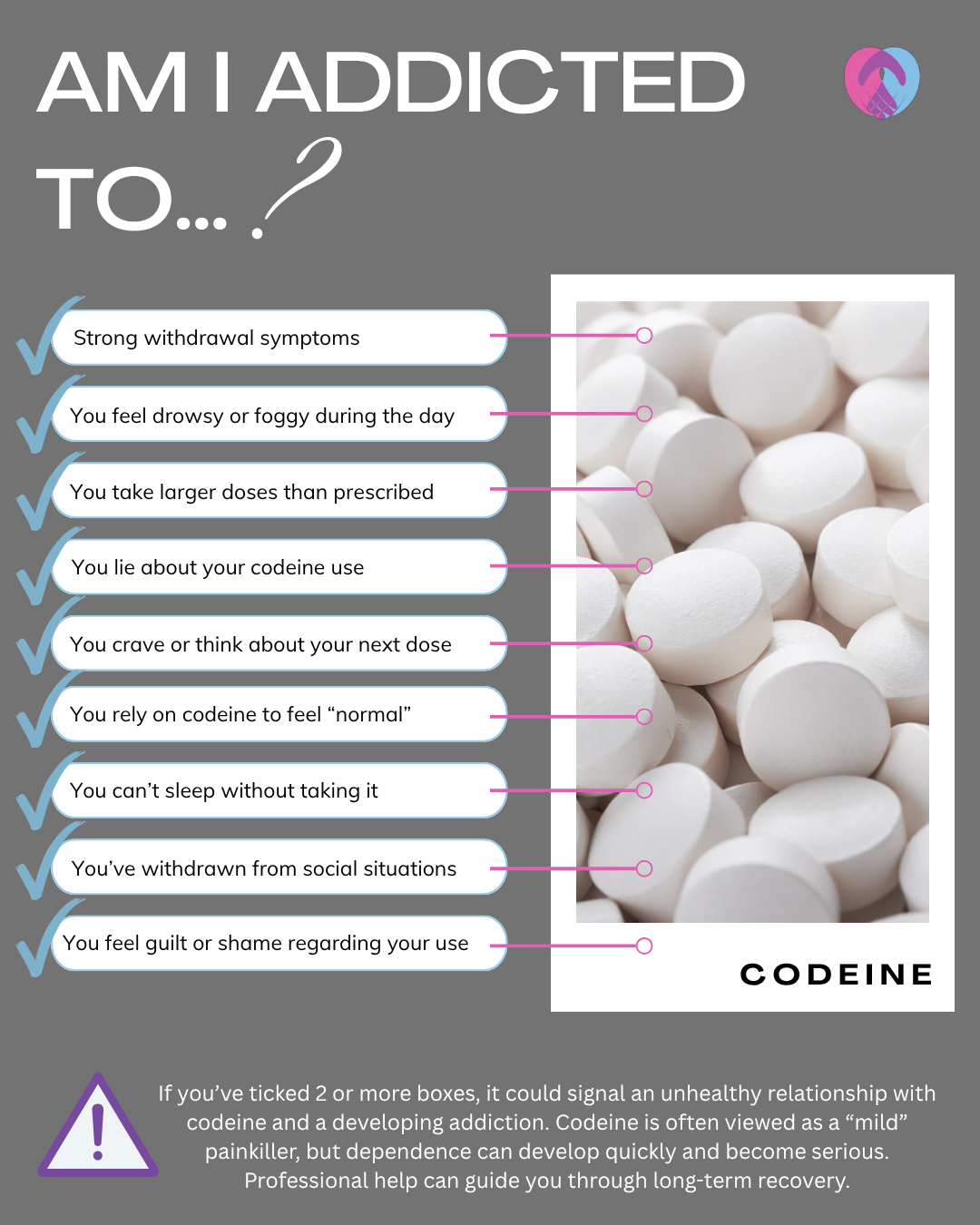
Recognising the Signs of Codeine Dependence
Codeine addiction often develops gradually, making it easy to overlook until it affects daily life. Common warning signs include:
Physical Signs
- Frequent drowsiness or lethargy
- Nausea, constipation, or stomach pain
- Fluctuating energy levels or appetite changes
Behavioural Signs
- Increasing dosage without medical advice
- Using codeine to cope with stress or emotional discomfort
- Difficulty managing daily responsibilities without the drug
- Secretive behaviour around medication use
Psychological Signs
- Anxiety, irritability, or low mood when unable to access codeine
- Persistent cravings or obsessive thinking about use
If these signs appear, it’s important to seek professional guidance before withdrawal or complications escalate.
How UKAT Can Help With Codeine Addiction
At UKAT, we understand the unique challenges of codeine dependence, often underestimated because of its legal and medical status. Our expert team provides personalised care in codeine rehab to support safe recovery and restore control.
Our pathway of treatment includes:
- Medical Detox: Supported withdrawal to manage physical dependence safely.
- Inpatient Rehab: Structured treatment with 24-hour support to rebuild routines and stability.
- Therapeutic Support: CBT, mindfulness, and group therapy to address the psychological drivers of dependence.
- Holistic Recovery: Nutrition, exercise, and relaxation techniques to improve wellbeing and resilience.
- Aftercare and Alumni Network: Ongoing support to maintain progress and prevent relapse.
Recovery from codeine dependence is entirely achievable with the right support, guidance, and commitment.
Practical Tips Around Codeine Use for a Safer Festive Season
Even for occasional users, taking steps to manage use and maintain wellbeing over the holidays can make a significant difference:
- Stick to Prescribed Dosages: Avoid taking more than advised, and never combine with alcohol.
- Track Use: Be mindful of how often and why you’re using codeine.
- Seek Professional Advice: Talk to a doctor or pharmacist if you notice signs of dependence.
- Prioritise Health: Sleep, nutrition, and exercise support your body during recovery or responsible use.
- Stay Connected: Reach out to supportive friends, family, or recovery networks if stress or cravings increase.
Small, intentional steps can prevent dependence and help you enjoy the holidays safely.
Codeine Addiction Symptoms
Be Aware of the Dangers of Codeine This Christmas
Codeine is a legitimate medication, but it carries real risks of dependence and harm when misused. Awareness, careful use, and professional support are key to avoiding the dangers of addiction.
This Christmas, UKAT is here to provide expert, confidential support for individuals struggling with codeine or other opioid dependence. Recovery is possible, and with the right guidance, the festive season can be safe, balanced, and truly enjoyable.
Use this page to explore facts, expert insights, statistics, and guidance. And remember, seeking help is always an option. One conversation, one appointment, or one small change can make a lasting difference.