


Spotlight on Cannabis: Insight, Statistics and Guidance
Christmas is a time that brings relaxation, downtime, and social connection. For some, that might include cannabis, viewed by many as a harmless way to unwind or enhance creativity and mood. Yet, as its use becomes more common and more socially accepted, it’s important to look beyond perception and understand the reality of cannabis use, cannabis dependency, and its impact on mental health.
This Christmas, we are shining a spotlight on cannabis, offering a wealth of insights, from expert perspectives and statistics to cost comparisons and key signs of addiction.
Understanding Cannabis and Its Effects
Cannabis, also known as marijuana or weed, is derived from the Cannabis sativa plant. Its primary psychoactive ingredient, THC (tetrahydrocannabinol), affects brain receptors that influence mood, memory, coordination, and perception.
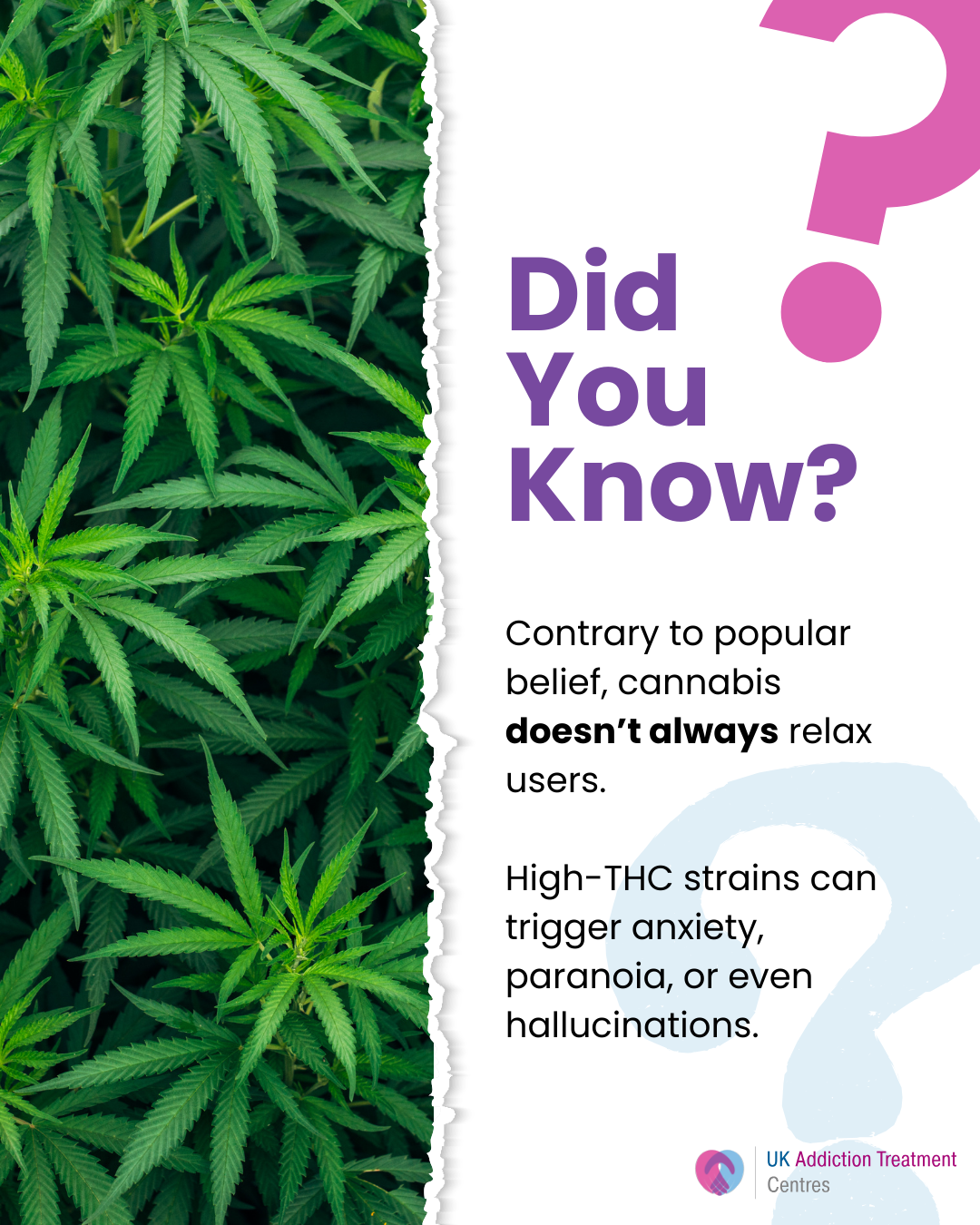
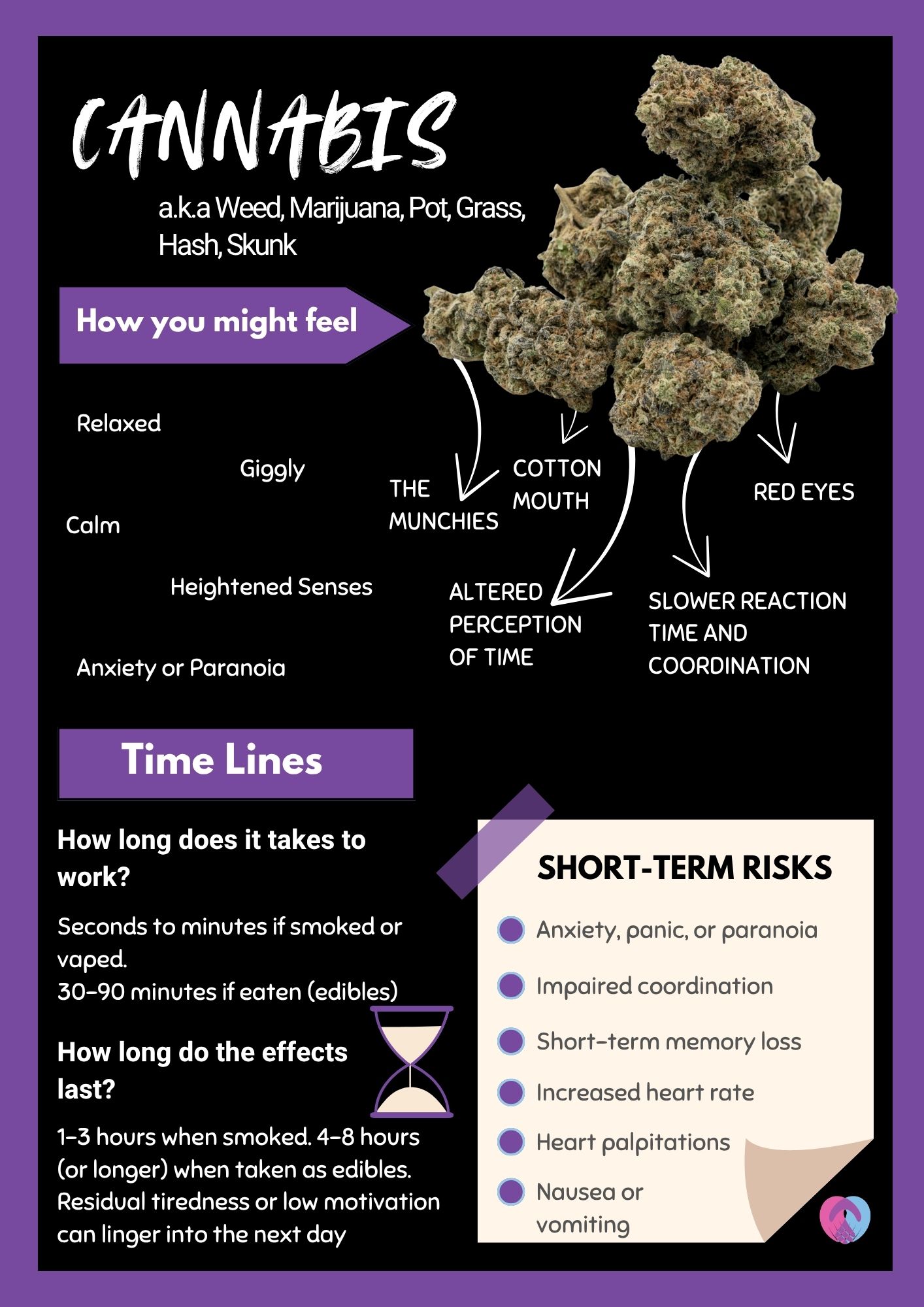
In the short term, cannabis can create a sense of relaxation, euphoria, and heightened sensory awareness. However, not all effects are pleasant, users may also experience anxiety, paranoia, or impaired concentration.
Common effects include:
- Relaxation or sedation
- Altered perception and slowed reaction time
- Impaired short-term memory
- Reduced motivation and focus
- Increased appetite (“the munchies”)
While some use cannabis recreationally or for medicinal reasons, regular use, particularly high-THC strains, can lead to tolerance, cannabis dependence, and withdrawal symptoms such as irritability, insomnia, and loss of appetite.
Did You Know This About Cannabis?
The Financial and Emotional Cost of Cannabis Use
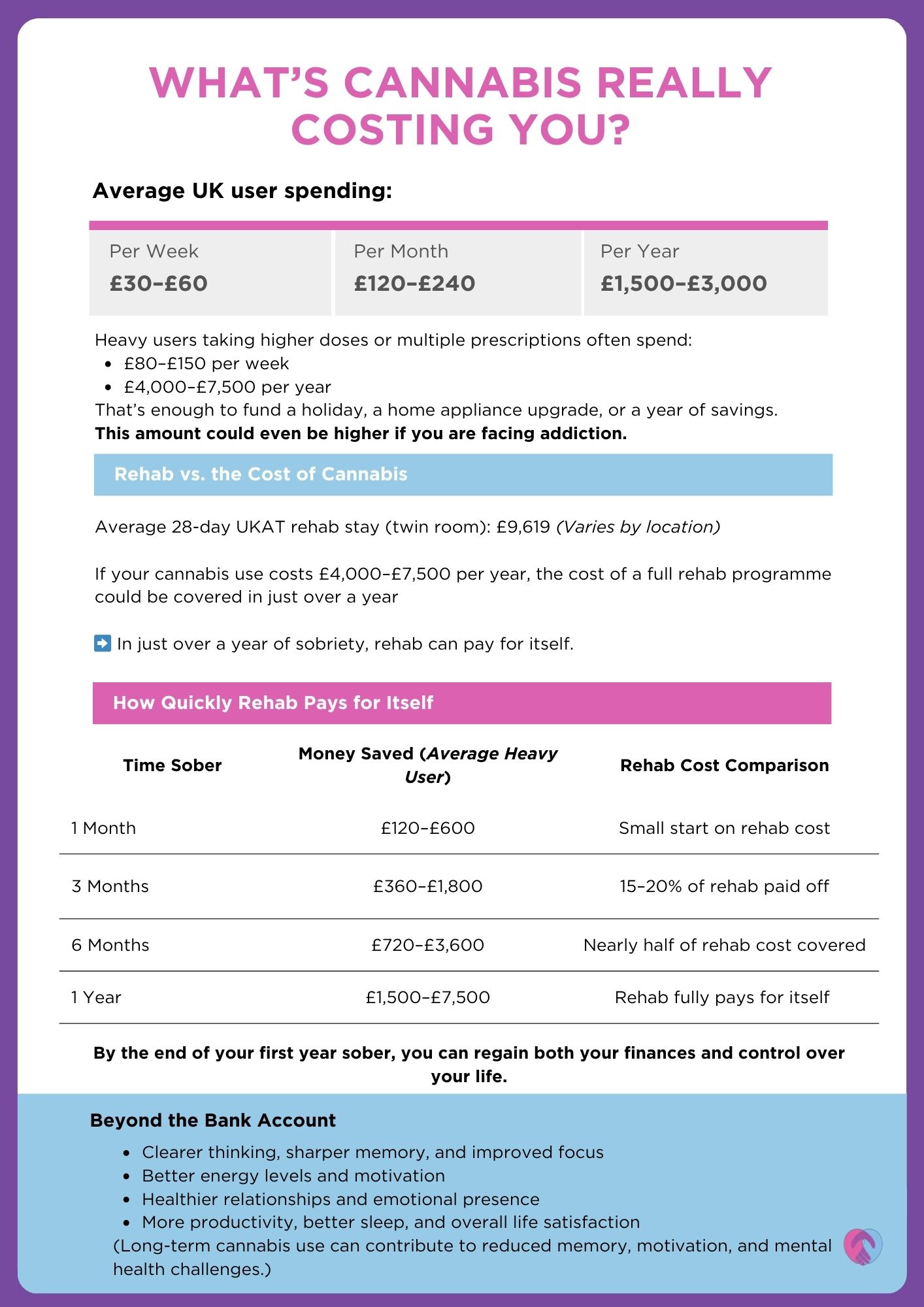
Many assume cannabis is inexpensive and low-risk, but the reality is more complex. Over time, costs can build both financially and emotionally:
- Financial Costs: Regular users may spend hundreds or even thousands annually maintaining supply.
- Emotional Impact: Heavy use can dull motivation, affect relationships, and reduce interest in work or hobbies.
- Cognitive Effects: Long-term use can impair focus, memory, and learning — particularly among younger users.
- Mental Health Risks: Frequent cannabis use is linked to anxiety, depression, and, in some cases, psychosis or paranoia.
While cannabis may feel like an escape, its long-term use often intensifies the very issues it’s used to manage.
What is the True Cost of Cannabis?
Why Christmas Can Be a Risk Period for Cannabis Abuse
The festive season brings both celebration and emotional strain, a combination that can make cannabis use more frequent or problematic.
- Increased Social Use: Gatherings with friends may normalise use or make it harder to say no.
- Stress and Emotional Pressure: Financial or family stress can drive people to use cannabis to cope or “switch off.”
- Boredom or Isolation: For those feeling disconnected or lonely, cannabis may serve as temporary relief, masking underlying emotions.
- Mixing Substances: Cannabis is often combined with alcohol or other substances during celebrations, heightening impairment and risk.
Awareness of these triggers is essential to maintaining balance, ensuring relaxation doesn’t slip into reliance.
Cannabis Facts
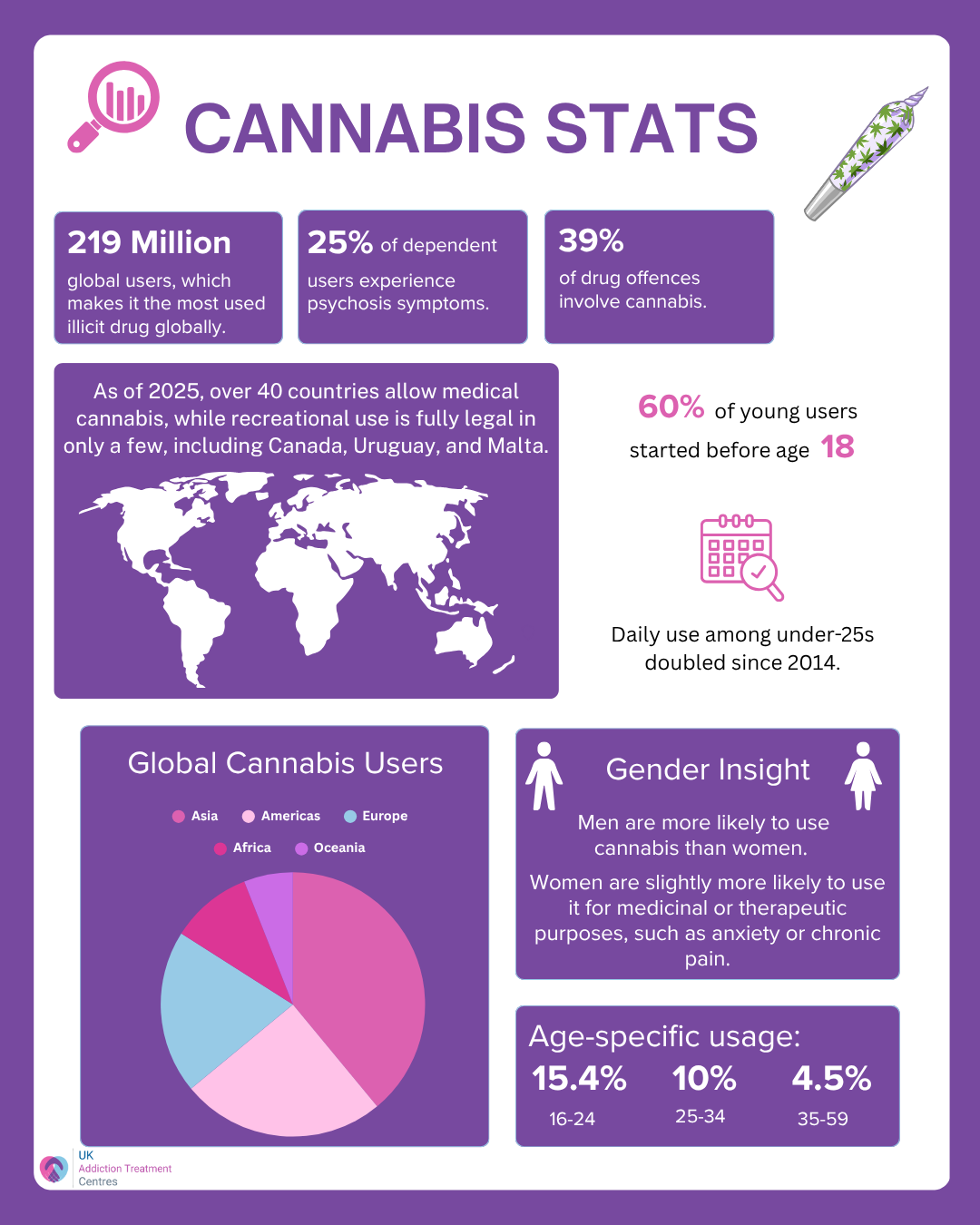
Cannabis Statistics
Recognising the Signs of Cannabis Dependence
Cannabis addiction can be subtle. Because it’s not viewed as “hard” or dangerous by many, dependency often goes unnoticed until it starts to affect daily life. Common signs include:
- Using cannabis daily or multiple times per day
- Feeling irritable, anxious, or restless when not using
- Prioritising cannabis over responsibilities or relationships
- Struggling to relax, sleep, or eat without it
- Continued use despite negative effects
If these patterns sound familiar, it may be time to reflect on your relationship with cannabis and consider support.
How UKAT Can Help With Cannabis Dependence
At UKAT, we understand the complex relationship many people have with cannabis. Whether use began socially, for stress relief, or out of habit, our team provides personalised care to help individuals regain control.
Our treatment pathway for cannabis rehab includes:
- Inpatient Rehab: A structured, safe space to detox from cannabis and begin recovery with 24-hour support.
- Therapeutic Support: DBT, mindfulness, and group therapy are utlised in both our primary care and secondary care programmes to address the psychological aspects of cannabis dependence.
- Holistic Recovery: Techniques such as yoga, meditation, and nutritional therapy to promote natural relaxation and wellbeing.
- Aftercare and Alumni Network: Ongoing guidance and peer support to maintain sobriety and avoid relapse.
With the right care and commitment, recovery from cannabis dependence is not only possible, it’s life-changing.
Practical Tips Around Avoiding Cannabis Use for a Safer Festive Season
Whether you’re using cannabis occasionally or working to cut back, a few practical steps can help keep things safe:
- Know Your Limits: Be aware of how much you’re using and why — mindfulness reduces mindless use.
- Avoid Mixing Substances: Combining cannabis with alcohol can increase anxiety and confusion.
- Prioritise Sleep and Nutrition: Cannabis can disrupt natural rest patterns; support your body with healthy habits.
- Take Breaks: Plan a few cannabis-free days each week to test your control and give your body a reset.
- Seek Support: If reducing use feels difficult, professional help can make a huge difference.
Even small changes, like cutting back or talking to someone, can improve health and confidence over the festive season.
Cannabis Addiction Symptoms

Be Aware of the Dangers of Cocaine This Christmas
Cannabis may seem harmless or even helpful in moderation, but regular or heavy use can take a quiet toll on motivation, mood, and mental health. This Christmas, awareness and balance are key.
If you or someone you know is struggling with cannabis dependence, UKAT provides expert, compassionate support to help you rediscover calm, focus, and control, without reliance on substances.
Use this page to explore facts, expert insights, statistics, and guidance. And remember, seeking help is always an option. One conversation, one appointment, or one small change can make a lasting difference.